
Events
Colloquia, thesis defenses, symposia and departmental events at the Department of Mechanical Engineering.
November 2026
The design and manufacturing methods of a monolithic laser phase plate for phase-contrast TEM

From Mind to Matter
The human hand is one of nature’s most complex and versatile structures, enabling the unmatched ability to manipulate and sense the surrounding world. The capability to interact with the world with precision and strength have empowered people to create anything from art to technology, making the loss of hands through injury, disease, and congenital conditions a significant for a challenge in a society that is built around them. While recent advances in prosthetic hardware design have emphasised accessibility, open-source solutions, and ease of adoption, current devices remain far less capable than the human hand. With the ultimate goal of designing functional integrated neuro-prosthetics, the next vital stepping stone needed is a focus on adaptivity, where the hard- and software are designed to be able to handle and learn from any scenario that a person finds themselves in. In this dissertation, I address the needed step towards adaptive prosthetics using both passive and active adaptive approaches. For passive adaptivity, an anthropomorphic hand is designed using soft robotics due to their inherent flexibility and shape conformity. However, where soft actuators have unparalleled shape conformity due to this flexibility, this comes at a sacrifice to their strength. To ensure that these soft actuators can be used to achieve a stable grasp on objects of varying weights, several manufacturing techniques were developed to integrate the actuators with rigid components to constrain degrees of freedom, improving force transmission. For active adaptivity, the prosthetic hand is outfitted with an organic neuromorphic circuit and temperature sensors. This neuromorphic circuit, inspired by the function of the human temperature reflex, uses organic transistors to respond to temperature stimuli, and adjusting its sensitivity automatically based on its experiences after integrating it into a traditional feedback control loop on the prosthetic hand. This proof-of-principle hand shows the strengths of a multidisciplinary approach to adaptive gripping, resulting in a system that aligns closer with the capabilities of the human hand than before.

UniteME Event: 🍂📚”Dear Younger ME" Cozy Dinner & Q&A! 🍂📚
🍂📚”Dear Younger ME" Cozy Dinner & Q&A! 🍂📚 Feeling a little overwhelmed by the new academic year? You're not alone! 😊 Whether you're looking for advice, have questions about student life, or simply want to hear from people who've been in your shoes, join us for a cozy dinner and an informal Q&A with senior students! 📅 When: Tuesday, November 17th at 17:30 📍 Where: Pendulum Student Community Center 🍕 What: Cozy Dinner & Q&A 👉 Sign up here: https://forms.cloud.microsoft/Pages/ResponsePage.aspx?id=R_J9zM5gD0qddXBM9g78ZG7nbxZ8JptMjLaPBaqxgjdUMVc3UlpVUUlIQ0EyTUo1TUwwNlNUV0JROC4u 📩 A quick reminder: You'll receive a calendar invitation. Please make sure to RSVP so we know you're coming! If your plans change and you can no longer attend, kindly update your RSVP to help us plan the dinner. ❔ Have something you'd like to ask the senior students? You can submit your questions in advance here: https://forms.cloud.microsoft/Pages/ResponsePage.aspx?id=R_J9zM5gD0qddXBM9g78ZG7nbxZ8JptMjLaPBaqxgjdUNDJTMjJUTEYzOVZHTVVTNFZTNzRQQTcxVy4u&origin=QRCode 💬 Not sure what to ask yet? That's totally fine! You'll also have plenty of opportunities to ask questions during the event. Come for the advice, stay for the food and good company! 🍕😊 We hope to see you there!

ME Academy for Faculty
I am pleased to invite you to the kick-off of the ME Academy for Faculty, a new initiative created for and by our department to share personal experiences, knowledge and insights, and to learn from one another. We are honored that Professor Maarten Steinbuch (ME, TU Eindhoven) will open the Academy with his talk on personal experiences and personal branding. Maarten will share lessons from his own career on how you can shape your professional story and profile. You are very welcome; whether you are curious about personal branding, want to be inspired, or simply enjoy connecting with colleagues over lunch. As a simple lunch will be served, we kindly ask you to register before 12 November via https://forms.cloud.microsoft/e/cbULxQKWjr
Data-driven velocity profile generation for Heavy-Duty Vehicles using Markov Chains

GLOW walk
will you spot all the artworks? Every year, the city of Eindhoven becomes full of artworks during the night. Join us for a walk through these wonderful art pieces! Dining at Happie040 before the activity is optional. When subscribing, make sure to use your TU/e email!

A physics-based model order reduction framework for nonlinear contact problems
In many engineering applications, Finite Element (FE) models are vital for simulating real-world phenomena. However, resolving complex geometries or capturing nonlinear behaviour often makes these FE models computationally expensive. This challenge is particularly critical in scenarios that require repeated simulations, such as design optimisation, parametric studies, or uncertainty quantification. In cases such as digital twin applications, near-real-time simulations are needed, further increasing the computational burden. Model Order Reduction (MOR) techniques aim to address these challenges by reducing the dimensionality of the original Full Order Model (FOM), thereby producing a Reduced Order Model (ROM) that is significantly smaller and computationally more efficient, while retaining the core physics of the FOM. Most conventional MOR techniques are data-driven. The most widely used among them, Proper Orthogonal Decomposition (POD), depends on the simulation data of the very FOM it seeks to reduce. While effective for interpolation within the well-sampled parameter space, POD is generally unreliable for extrapolation to unseen parameter ranges. As an alternative, the primary objective of this thesis is to develop a physics-based MOR framework that does not rely on any training data. The proposed approach utilises Modal Derivatives (MDs), which are the first-order derivatives of vibration modes, and has been demonstrated to capture nonlinear behaviour within a reduced-order basis. In this thesis, this framework is adapted to address quasi-static geometrically nonlinear solid mechanics and unilateral finite deformation contact problems. Initially, in Chapter 2, the concept of MDs is explained in detail and applied to quasi-static geometrically nonlinear problems. To ensure an orthogonal projection and, in turn, numerical stability of the reduction, these MDs are orthogonalised using the modified Gram-Schmidt process. An online greedy selection is then employed to identify the most significant orthogonalised MDs, achieving an efficient reduction. This approach is validated through various test cases, demonstrating its validity and effectiveness in different scenarios. Chapter 3 extends this framework to handle unilateral finite deformation contact problems where contact constraints are enforced using the Lagrange multipliers. In addition to the orthogonalisation and greedy basis selection strategies introduced earlier in Chapter 2, an exclusion domain is introduced, based on the location of maximum shear stress from Hertzian Contact theory. Within this exclusion domain, the displacement degrees of freedom, along with the Lagrange multipliers enforcing the contact constraints, are maintained at full FE resolution. In contrast, the remaining displacement degrees of freedom are reduced using the earlier framework. This hybrid, MD-based strategy performs well across various unilateral benchmark contact problems, highlighting the effectiveness of the chosen approach. Although the techniques established in Chapters 2 and 3 achieve reduced dimensionality, the resulting improvements in simulation time remain modest. The principal challenge is that, despite reducing the primary variable (displacement), computing the tangent stiffness matrix still requires integration over the entire FE mesh. This integration step remains a significant bottleneck in reducing nonlinear FE problems. To overcome this and accelerate simulations, the developed MOR techniques are combined with a hyper-reduction strategy. Specifically, Energy Conserving Sampling and Weighing (ECSW) is employed, which selects a subset of elements for integration, allowing for the efficient computation of reduced quantities. This combined approach is tested in the next chapter through a Bayesian inference case study, which requires multiple simulations and serves as an ideal validation for the MOR framework enhanced with hyper-reduction. In this context, two quasi-static, geometrically nonlinear problems from Chapter 2 are utilised, providing uncertainty quantification with significantly faster runtimes. In the penultimate chapter of the thesis, all the developed tools are integrated to achieve hyper-reduction of unilateral finite deformation frictional contact problems. Coulomb friction is incorporated into the contact formulation established in Chapter 3. The ECSW hyper-reduction technique is adapted accordingly to include the exclusion zone defined for reducing contact problems. Two examples are considered: first, one of the benchmark problems used in Chapter 3 is revisited to validate this improved framework. Then, a more complex 3D case involving the movement of a catheter inside a soft-tissue-like arterial tube is examined. The results show that the proposed physics-based model order reduction, combined with ECSW, can effectively capture complex, nonlinear, and contact phenomena with considerably lower computational cost, making it a promising tool for large-scale simulations in computational mechanics. Overall, the results presented in this thesis demonstrate the potential of a fully physics-based model order reduction framework, combined with ECSW hyper-reduction, to efficiently simulate non-linear contact FE problems. By eliminating reliance on training data, the developed methods based on MDs achieve substantial computational savings while preserving critical mechanical responses. The successful application to both benchmark and complex use cases underscores the robustness and versatility of the approach, making it a promising tool for faster simulation responses.
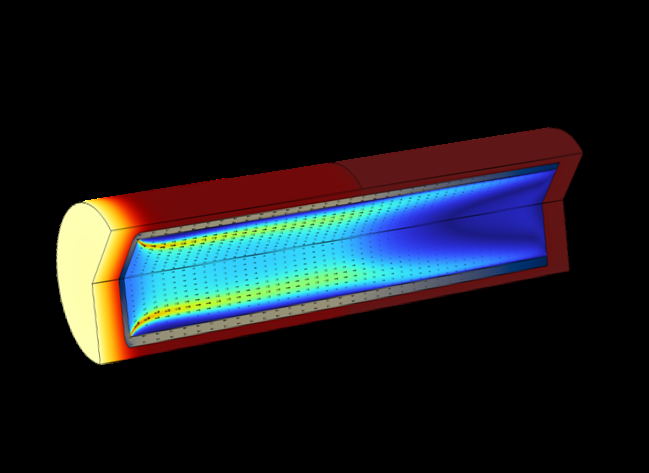
Development of Sintered Tungsten Wicking Architectures for Lithium Heat Pipes under Fusion-Relevant Divertor Heat Fluxes
Nuclear fusion represents a promising route towards low-carbon, high-density energy production. The development of magnetic-confinement fusion devices, however, requires plasma-facing components (PFCs) capable of withstanding severe thermal loads within the divertor region. These thermal loads consist of steady-state heat fluxes exceeding 10MWm^(-2). High-temperature liquid-metal heat pipes are being investigated as a novel approach for managing such loads by redistributing highly localized surface heat fluxes over a larger area for subsequent heat rejection. The heat pipe concept currently considered for this approach consists of a tungsten envelope and wick, with liquid lithium as the working fluid. For the heat pipes concerning this application, the capillary wick represents a critical component. It must simultaneously provide sufficient capillary pressure for liquid return and sufficiently low hydraulic resistance to sustain the required mass flow. The design of a tungsten wick is currently limited by the sparse amount of commercially available porous tungsten materials, and the lack of literature on the transport properties of porous tungsten. The limited availability of porous tungsten has resulted in the start of a material synthesis program. The aim of this program is to develop the manufacturing process needed for the production of porous tungsten with favorable transport properties for heat pipe applications. Additionally, traditional analytical design equations that are used to design heat pipes are not directly transferable to the current system due to the unique heat load application on this heat pipe. This thesis supports the material synthesis program through the development of a forced-flow and capillary-rise measurement setup, enabling the characterization of the transport properties of synthesized porous materials. Subsequently, mercury intrusion porosimetry is performed on synthesized tungsten to guide the ongoing material synthesis that is conducted in parallel with this work at a collaborating institute. Second, the applicability of the heat pipe design equations to the present concept is investigated through the use of a single phase numerical model adopted from the literature. Following this numerical verification, the design equations are employed to identify the porous transport properties that are necessary to sustain heat loads up to 20MWm^(-2)using a homogeneous annular wick. From this analysis, the critical heat pipe performance limit is identified, and a composite wicking architecture is proposed to overcome the identified limitation. Through a modified set of design equations and numerical verification, the ability of this proposed architecture to overcome the performance limitation and its influence on porous transport property demands is evaluated. Ultimately, by bridging the gap between measured transport properties and theoretical requirements, this work provides the material development program with targeted specifications for the next generation of powders.
Shape Optimization of Ducted Wind Turbines Using CFD-Based Surrogate Modelling
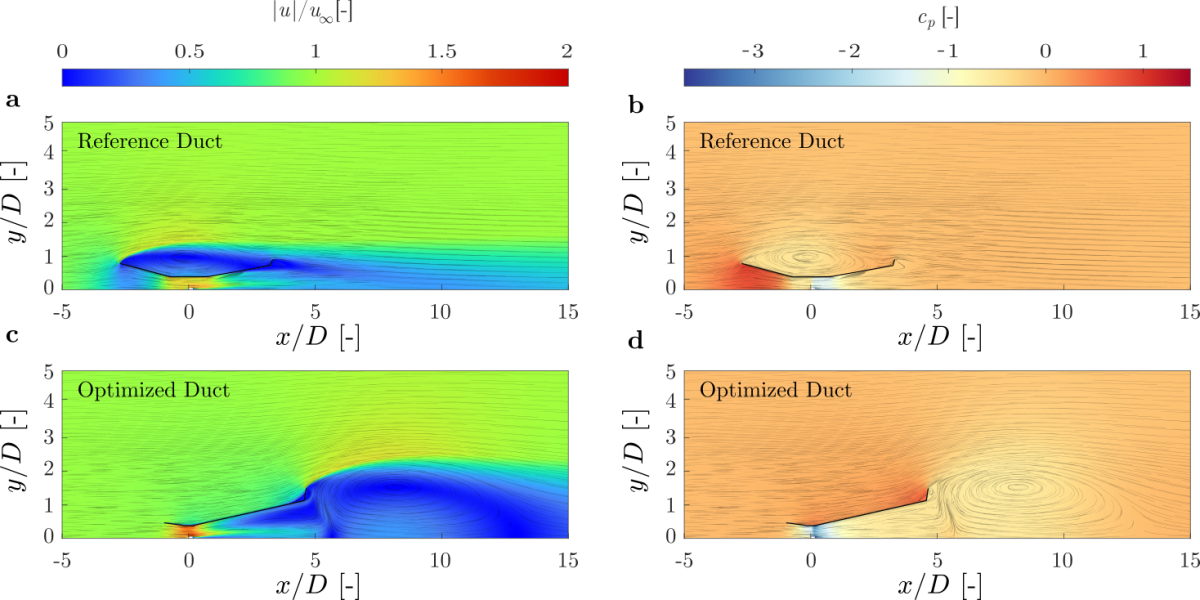
Urban wind energy generates electricity close to where it is used and offers a promising way to both reduce transmission losses and relieve congested energy grids. Urban wind speeds are typically low, however, which keeps wind turbines below their cut-in speed. Placing a duct around the turbine can locally accelerate the flow and thereby increase the power output, but this performance gain depends strongly on the shape of the duct. This study therefore aims to optimize the duct shape of a stand-alone wind turbine to maximize its power output. To achieve this, the study uses the principles of machine learning to build a Kriging surrogate that, once trained, is used (i) to accurately predict the power coefficient $C_P$ of any untested duct shape, (ii) to discover the aerodynamic mechanisms that govern duct performance and the interlinked effect of the geometric parameters on the power output, and (iii) to optimize the duct geometry and explore high-performing designs. The duct geometry consists of a nozzle, throat, diffuser and flange and is described by seven geometric parameters. The rotor is modelled as an actuator disk with the blade loading computed using blade element momentum theory and is included in the simulation-optimization loop. The design space is sampled with 490 computational fluid dynamics simulations, which are validated against wind tunnel measurements. Of these samples, 350 are space-filling samples generated using design of experiments and 140 are generated by adaptive sampling, which refines the model in promising regions. A genetic algorithm is used to search the response surface for optimal designs based on various objectives. The trained surrogate can predict new designs within a root-mean-square error of $7.8\%$ of the range of $C_P$ over the full sample pool. This error decreases to $4.0\%$ in the high $C_P$ regions. Within geometric bounds that limit the duct length to 10\,m, the optimized duct reaches a $C_P$ of $1.858$, which is 4.8 times that of a bare turbine and 3.1 times the Betz limit, a value that is possible because $C_P$ is normalized with the rotor swept area. The high performance originates from the flow entering the duct cleanly, which prevents the formation of low-pressure recirculation zones near the inlet that would otherwise divert the wind around the duct. The flow remains attached through the nozzle, throat and diffuser and separates only at the flange at the downstream end, forming a low-pressure wake behind the duct. This low-pressure region downstream helps to draw more air through the duct and therefore generate more power from the wind.
From Natural Language to Executable Models: An LLM-Assisted Pipeline for Powertrain Synthesis
Analysis of Torque Vectoring Applied to a Heavy-Duty Forklift Truck
Heavy-duty forklift trucks operate at low speeds and frequently take sharp turns to transport loads in the order of tonnes. As a result, the tires wear rapidly and often need replacements. The forklift industry tries to develop innovative ideas to reduce tire wear and work towards a sustainable future. One such innovation is called torque vectoring. Torque vectoring is a way to assist cornering by redistributing drive or brake torque to the left and right side of the vehicle. If applied effectively, this can lead to an additional yaw moment that supports the steering wheels while cornering. This study researches the effects of a torque vectoring by braking method on tire wear and turning radius reduction for a 9 tonne forklift truck by Hyster-Yale. An analytical two-track forklift model has been developed in MATLAB/Simulink to provide a representation of the dynamics, load transfer, driveline, brakes, and steer inputs of the forklift truck in question. The model is used for a widespread torque vectoring analysis, in which different combinations of steering, brake and load inputs are tested on their ability to generate additional yaw torque. Furthermore, experiments have been done with a 9 tonne forklift truck by Hyster-Yale, which has been modified to allow torque vectoring by braking. A measurement kit was developed to measure longitudinal slip at the front wheels and to estimate turning radius in steady-state conditions. The measurement data from varying torque vectoring tests was then used to draw conclusions on the specific torque vectoring application for this forklift truck, and compared with model simulations.
A Discrete Multibody Model for the Locomotion and Interaction of Cilia-Bots
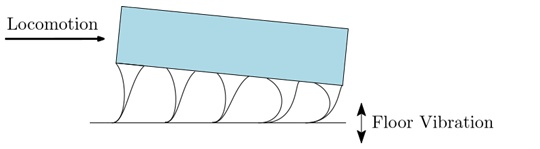
Artificial cilia-bots can move across a vibrating surface through the bending of flexible legs. Their motion depends on how the legs buckle, carry the body weight and interact with the surface through friction. These coupled effects can produce sustained travel or changes in direction, but make it difficult to predict how changes to the bot will affect its motion. This thesis develops a planar model to investigate these mechanisms. Hencky-type discrete legs are coupled to rigid bodies and frictional contact in Cardillo. Nonsmooth time stepping combines large leg deformations with impacts, sticking and sliding. Beam and rigid-body contact benchmarks check the model components, while compression and lateral dragging tests compare the simulated cilium response with published experiments. The model reproduces the main deformation and contact trends, although quantitative force agreement remains limited. Compression measurements after settling holds follow the broad continuous-loading response, while buckling and bending reversal retain dynamic force peaks. The simulations show that net travel depends on the leg-bending pattern and the persistence of motion in one direction. Friction, stiffness and damping can change this motion pattern, and reversals can cancel much of the displacement. In the multi-leg studies, initial preparation and support placement affect how the legs bend and share load. Spreading the supports outward generally reduces body pitch and improves travel in the tested four-leg configurations, but lower pitch alone does not explain locomotion across different layouts. Contact with walls or other bots can change leg bending and produce sustained reversal. The model provides a means to examine how deformation and contact produce locomotion and to compare design choices under controlled conditions. Timestep checks show that averaged motion can become similar under refinement while reversal timing and net displacement remain sensitive. Its present contribution is therefore the study of these mechanical relationships; quantitative prediction of the full experimental walker requires further validation under matched conditions.

Actuation & Sensing Modules for Standardized Organ-on-Chip Platforms
Organ-on-chip (OoC) platforms are advanced cell culture systems that can emulate human tissues and diseases for mechanistic studies, potentially conducive to improved drug development and personalized therapy guidance. These platforms provide a representative tissue microenvironment including microfluidic perfusion and controlled mechanical stimulation to synthetically replicate in vivo-like conditions that static in vitro models cannot provide. This is particularly relevant for barrier tissues, where function is tied directly to flow, transport dynamics, and integrity of cell layers. Translating OoC technology into routine laboratory practice requires platforms that are not only biologically relevant but also modular in design, compatible with standardized formats, and capable of continuous functional readout. This thesis contributes to realizing such a platform through the development of three technical modules with integrated functionalities tailored for perfusion and electrical barrier sensing, each designed for biological, mechanical and electrical compatibility with an ISO-compatible OoC platform. The first module introduces magnetic artificial cilia (MAC) as a tubeless on-chip micropumping mechanism. Flexible magnetic elastomeric cilia integrated in a microfluidic chip perform tilted conical motion when driven by an external rotating permanent magnet, and this motion generates net fluid displacement at low Reynolds number. Prior work has demonstrated MAC-driven fluid pumping in closed microfluidic loops. Here, the mechanism is adopted within a MAC module and characterized within a standardized OoC platform, achieving flow rates of up to 40 uL/min across a range of hydraulic loads, tunable through actuation frequency. A key result is the continuous circulation of human monocytes at actuation frequencies up to 100 Hz. Cell viability and cytokine secretion profiles remain statistically comparable to static controls, proving that the gentle nature of MAC actuation is compatible with circulating mechanically sensitive cells in suspension. The second module targets transepithelial electrical resistance (TEER) measurement, the standard label-free metric for tight-junction integrity in epithelial and endothelial barriers. A silicon-microfabricated sensor chip with titanium nitride electrodes patterned on slanted sidewalls, combined with a silicon nitride microporous membrane, implements four-electrode impedance spectroscopy with a geometry designed to achieve uniform current distribution across the cell layer. Reusable packaging with magnetic clamping and leak-free microfluidic interconnects allows repeated disassembly and assembly of the module without loss of measurement integrity. Electrode functionality and stability is confirmed over multi-day culture periods, providing the performance baseline needed for the module to serve as reliable sensor in standardized barrier assays. The third module uses organic electrochemical transistors (OECTs) for continuous barrier monitoring under perfusion. OECTs amplify the ionic signal from the cell layer through volumetric electrochemical doping of the transistor channel, offering a sensitivity advantage over passive impedance measurements at physiologically relevant signal levels. Photo-patterned PEDOT:PSS and p(g2T-TT) channels are evaluated, and gate configurations are systematically compared. A separated Ag/AgCl gate compartment coupled through a poly(vinyl alcohol)/KCl salt bridge is identified as the most suitable configuration, decoupling gate polarization and decreasing silver leaching into the cell culture medium. Integrated on the standardized platform, the OECT module can track Caco-2 tight-junction formation continuously and it can resolve pharmacological disruption of the barrier in real time. The work presented in this thesis demonstrates that actuation and sensing functions can be realized as modular, independently characterized units within a single ISO-compatible platform. Together, the three modules provide controlled tubeless perfusion and cell circulation, continuous impedance-based barrier monitoring, and transistor-based sensing with stable performance under fluid flow. More broadly, this thesis shows how these functions can be combined within a shared standardized framework, providing a foundation for reproducible and scalable OoC workflows in circulating cells and barrier tissue research.
5th Future of Energy Business Course 2026 (deadline registration
In 3 workshops (topics on Scenarios, Hard to abate sectors, New solutions, and Future work) at the Deloitte offices in Amsterdam and Rotterdam, you will gain an understanding of the business perspective of the energy transition. You will actively participate in an exciting program that covers transitioning existing large-scale industries but also drives the development of new, innovative ideas that need your help to accelerate. Introduction: 9 November 12:00-13:30 – Online Session 1: 12 November 9:00-13:00 – Amsterdam office Session 2: 19 November 9:00- 13:00 – Rotterdam office Session 3: 26 November 13:00 - 17:00 - Amsterdam office Closing session: 03 December 13:00 -17:00 (and drinks afterwards) – Amsterdam office Application and selection: We ask you to share your Curriculum Vitae and a 200-word motivation, on what you hope to gain from the program as well as an idea that can attribute to the future of energy. ~40 applicants will be selected to participate, on which you will be notified latest October 30th. Application deadline: October 25th.
Pysical AI Industry Meet-up
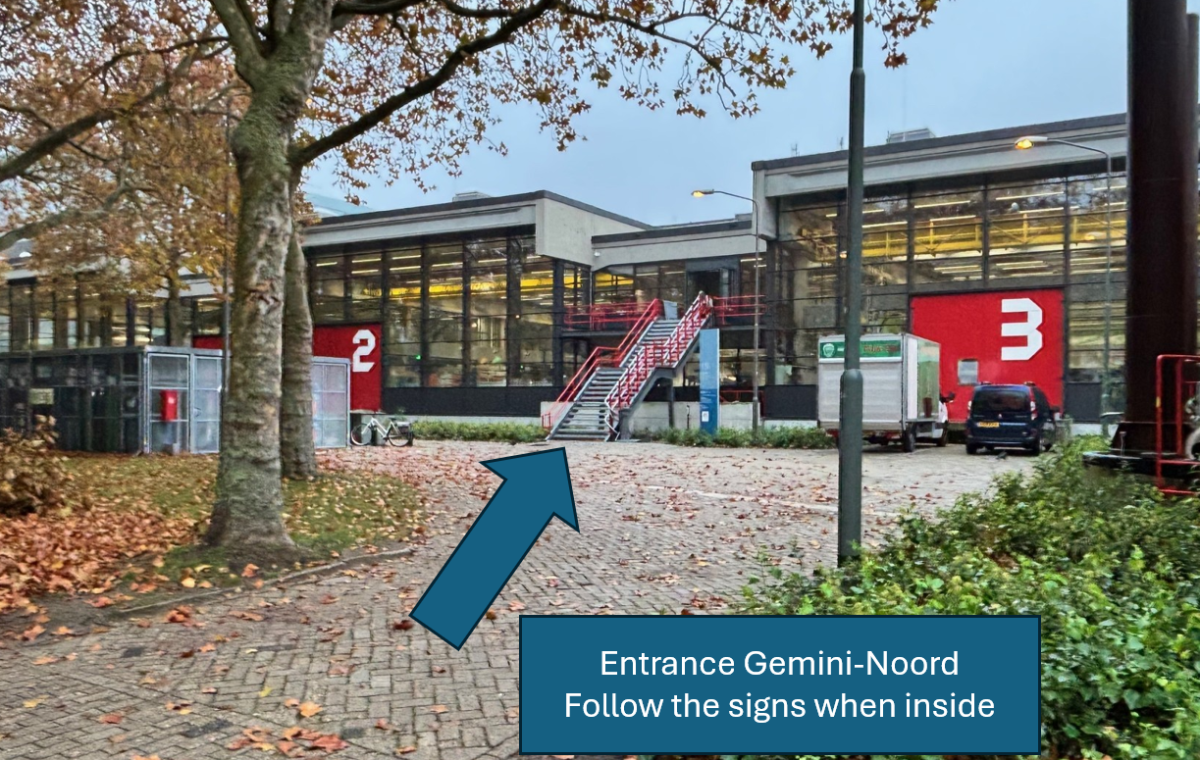
Over the past year, we have been in touch or collaborated on Physical AI, with a particular focus on advanced manipulation and the handling of physical objects. To stay connected and keep each other up to date, we are organizing a biannual Physical AI Meet-up for industry partners, bringing together a relevant network around this rapidly developing field. We strongly believe that industry use cases can inspire the development of new technologies, while a well-connected industry network can help accelerate their application and adoption in industry. We would be delighted to welcome you to this meet-up. Please let us know if you are able to attend, and whether you would like to bring a colleague
Feasible topology generation and exloration for production systems
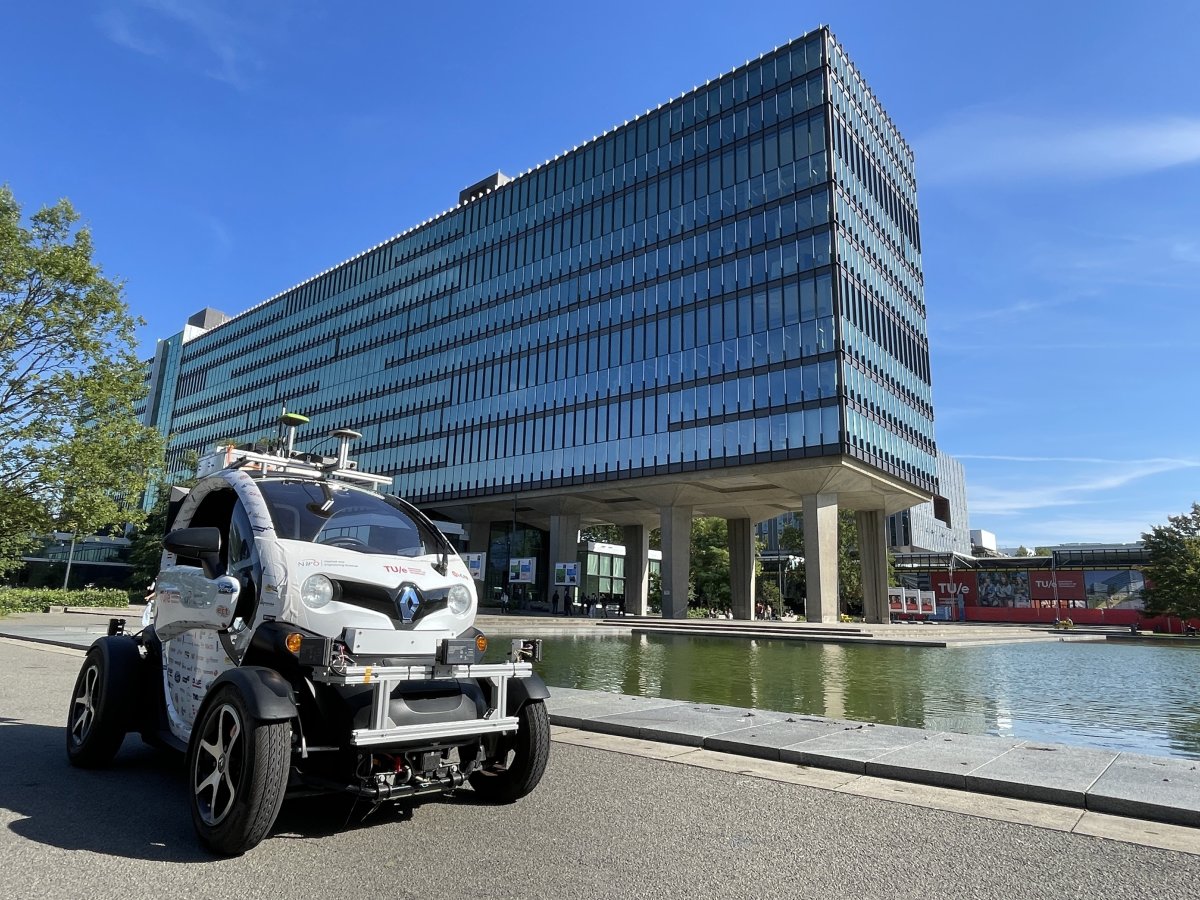
Identification of a Longitudinal Vehicle Model of a Renault Twizy
Summary: Cars are highly non-linear dynamical systems whose behaviour depends on a large number of parameters. Precisely modelling a complete car is therefore challenging. Consequently, control systems in automotive applications are generally based on simplified vehicle models. At Eindhoven University of Technology (TU/e), research is conducted on CACC and a Renault Twizy has been modified for automated driving. Its longitudinal behaviour is currently represented by a first-order model with a time delay. This model is accurate at low acceleration levels but deviates significantly at high acceleration and deceleration request, where the vehicle response saturates. Therefore, a system identification procedure is developed to identify a longitudinal model that can capture this saturation behaviour. The results demonstrate that the proposed approach can reproduce the longitudinal behaviour of the Renault Twizy and its saturation with reasonable accuracy.

Adaptive Differentiating Filter: a solution to the sensitivity trade-off
Abstract: In many control and process monitoring applications, one needs to estimate the derivative of a signal. Standard differentiating filters commonly suffer from the trade-off: reducing the filter bandwidth to improve noise sensitivity also reduces it for the useful signal, leading to smoothed-out high-frequency peaks of the useful signal. In this talk, we present the Adaptive Differentiating Filter (ADF) – a causal real-time filter which solves this trade-off problem. It demonstrates low sensitivity to low-amplitude/high frequency measurement noise, while preserving a wide bandwidth for large-amplitude changes in the process signal. The presentation discusses and demonstrates the filter's favourable performance properties in two practical case-studies: 1) a PID feedback controller for a mechatronic application and 2) monitoring of industrial process signals. It also compares it experimentally with a standard linear low-pass filter-based differentiator and a state-of-the-art robust sliding-mode-based homogeneous differentiator. Bio: Alexey Pavlov obtained his M.Sc. degree (cum laude) in Applied Mathematics from St. Petersburg State University, Russia, and Ph.D. degree in Mechanical Engineering from Eindhoven University of Technology, The Netherlands in 1998 and 2004, respectively. Currently, he holds a full professor position at the Department of Geosciences of the Norwegian University of Science and Technology (NTNU). Prior to that, he held various academic and industrial positions at the Institute for Problems of Mechanical Engineering, Russia (1999), Ford Research Laboratory, USA (2000), Eindhoven University of Technology (2005), NTNU (2005–2009), Equinor Research Centre, Norway (2009–2016). He published the book ’Uniform Output Regulation of Nonlinear Systems: A convergent Dynamics Approach’ with N. van de Wouw and H. Nijmeijer (Birkhauser, 2005). Alexey received the IEEE Control Systems Technology Award (2015) ‘‘For the development and application of variable-gain control techniques for high-performance motion systems’’ (together with M. Heertjes, H. Nijmeijer and N. van de Wouw), and the IFAC World Congress Best Application Paper Award (2011) for the work ‘‘Drilling seeking automatic control solutions”. His inventions within automatic optimization are implemented and used in several offshore fields. His current research interests include control of nonlinear systems, control and optimization of highly uncertain systems, automation and digitalization in the energy industry and various industrial applications of automatic control and optimization.
World Modelling and Decision-Making for Robots in Precision Agriculture
This thesis investigates world modelling and decision-making for autonomous robotic systems operating in precision agriculture under uncertainty and resource constraints. It contains four main contributions, spanning both theoretical developments and practical robotic applications. The first contribution addresses decision-making under costly sensing and actuation within a partially observable Markov decision process (POMDP) framework. The problem of when to sample and actuate is formulated as a stopping-time problem, capturing the trade-off between state-dependent costs and intervention frequency. Due to the intractability of optimal solutions, approximate methods based on relaxed dynamic programming and event-triggered control are developed, providing performance guarantees. In addition, a modified relaxed dynamic programming framework is introduced to explicitly bound the complexity, while still providing performance guarantees, designed through value function approximations and optimization via linear matrix inequalities. The second contribution considers selective harvesting of delicate crops, such as table grapes, under uncertainty. A method is presented that integrates multi-view mapping and tracking to improve the quality of crop information, together with a recursive decision-making algorithm based on graphs containing reachability dependencies between the products to optimize the harvesting order with respect to both product quality and execution time. The third contribution focuses on semantic world modeling for agricultural robots. A framework is developed that combines probabilistic object mapping with graph-based simultaneous localization and mapping (SLAM), enabling the construction of semantically rich maps while maintaining accurate localization without relying solely on GPS. Detected plant properties, such as semantic attributes including type and size, not only enrich the resulting map but are also used to improve data association. The fourth contribution explores autonomous mechanical weeding using a small, legged robotic platform. A system is developed that leverages the mobility of a quadruped robot equipped with a custom end-effector, enabling precise weed removal while reducing soil compaction. The proposed approach is supported by an integrated software architecture and evaluated in both indoor and outdoor environments. Overall, the thesis provides a perspective on uncertainty-aware world modeling and decision-making, demonstrating how theoretical methods and robotic system design can be combined to address key challenges in precision agriculture.

Social deduction & puzzle game: Blood on the Clocktower
Can you outsmart everyone else? Join us for a game of Blood on the Clocktower! We will start with explaining the rules and the game, so everyone can join. Diner at Happie040 before the activity is optional. When subscribing, make sure to use your TU/e email!
A deformable wafer table for semiconductor lithography
For the past decades, the semiconductor industry has mainly focused on decreasing the feature size on inte-grated circuits. The number of transistors that can be fitted on an integrated circuit doubles roughly every 18-24 months, referred to as Moore's law. By using state-of-the-art extreme ultraviolet (EUV) photolithog-raphy machines, the achievable critical dimension (e.g., gate length or linewidth) on integrated circuits is currently approximately 10-20nm. As the demand for efficient computing power is expected to continue to grow, and further 2D miniaturization becoming increasingly challenging, the semiconductor industry is now looking to vertical integration: effectively stacking more functional layers to build up a 3D integrated circuit. This places new requirements on photolithography machines. In these systems, thin silicon substrates, called wafers, are exposed with ultraviolet light to create the features that make up an integrated circuit. The deposition and processing of preceding layers cumulatively introduce stress into the wafer. The resulting deformations can accumulate to over a millimeter of out-of-plane warpage of the wafer. When clamping a warped wafer on a wafer table, these out-of-plane deformations lead to in-plane deformations, due to fric-tion and slip between the wafer and wafer table, as well as the resulting wear of the wafer table. This leads to misalignment between consecutive layers, known as overlay errors. To address these issues, a conceptual design for a piezoelectric deformable wafer table is presented. Two applications are identified. First, to mitigate the effects of clamping a highly warped wafer onto a flat wafer table, the concept of conformal wafer loading is introduced. To minimize slip between the wafer and wafer table during wafer load, the wafer table is actuated conformal to the wafer, prior to clamping the wafer. By actuating the wafer table along the neutral bending plane of the wafer, the wafer can be flattened without introducing relative motion between the wafer and wafer table. Secondly, overlay and focus errors can be reduced using intra-field corrections. During exposure, the wafer can be locally deformed to match the aerial image projected by the optical system, which compensates for both remaining deformations in the wafer, as well as optical aberrations. A design for a deformable wafer table is presented based on a multilayered piezoelectric actuator, on top of which a glass-ceramic wafer clamp is placed. For both conformal wafer loading and intra-field corrections, it is necessary to independently actuate in-plane strain across two orthogonal axes, in-plane shear strain, cur-vature across two orthogonal axes, and finally a twisting curvature. This is accomplished by stacking six pie-zoelectric layers, each of which can generate piezoelectric strain in a specific in-plane direction. Two embod-iments are analyzed: first, a design based on monolithically sintering ceramic lead-zirconate-titanate (PZT), to which an in-plane electric field can be applied using embedded interdigitated electrodes (IDEs); secondly, a design based on stacked monocrystalline lithium niobate (LN) wafers with planar electrodes, where the in-plane strain is obtained through a favorable crystal orientation. Key aspects of this design such as the layer thickness, electrode dimensions, and material orientation are optimized using a lightweight mathematical plate model. By combining this model with a finite element unit cell simulation, the microscopic deformations around the interdigitated electrodes could be scaled to the macroscopic deformation of the deformable wafer table. Using this method, the PZT and LN concepts were compared, and found to yield similar performance. While PZT has a higher piezoelectric coefficient, the ma-terial away from the IDEs does not efficiently contribute to generating strain. The low piezoelectric coeffi-cient of LN is largely compensated by the much higher coercive field, and all material between the planar electrodes is efficiently used. By splitting the wafer table actuator into segments, actuation at higher spatial frequencies is facilitated. This will increase both the conformal wafer loading performance, by reducing the mismatch between wafer and wafer table shape, as well as the intra-field correction performance by enabling higher-order corrections. The actuator influence functions of the segments are calculated using a finite element model, leveraging shell elements for computational efficiency. To characterize the different segmentations, two methods are pre-sented. The first is based on using an intermediate orthogonal decomposition of the solution space, and evaluating how well the actuator system can approximate the most relevant modes from this decomposi-tion. For this method, Zernike and Legendre polynomials are used for evaluating conformal wafer loading and intra-field corrections respectively. The second method is based on taking the singular value decomposi-tion of the reachable actuator space, and optionally combining the associated singular values into a perfor-mance measure. For the requirements set in this thesis, a 61-element hexagonal segmentation resulted in a good balance between performance and complexity. For both the PZT- and the LN-based design, a prototype was developed. For the PZT concept, multiple itera-tions were produced, based on tape casting PZT sheets and screen printing the interdigitated electrodes, followed by binder burnout, sintering and poling. However, the binder burnout proved difficult to control, resulting in repeated failures. It is hypothesized that a better process control of the tape casting and screen printing could improve the probability of success. Next, an LN-based prototype was produced using com-mercially available off-the-shelf LN wafers, with sputtered electrodes connected through brass foil spacers. This prototype demonstrated the feasibility of independently actuating curvature and in-plane strain, as well as achieving large deformations using the presented actuator concept. In conclusion, a design for a deformable wafer table was presented, which enables both conformal wafer loading and intra-field corrections. By stacking six piezoelectric layers, three in-plane strain and three curva-ture components can be independently actuated. Two types of piezoelectric layers were investigated, and their dimensions optimized for maximum curvature. First, ceramic lead-zirconate-titanate (PZT) can be sin-tered with embedded interdigitated electrodes which are used for both poling and actuating the layers. Sec-ondly, monocrystalline lithium niobate (LN) wafers can be stacked, separated by planar electrodes to actuate the layers. Although PZT has a high piezoelectric coefficient, the material is utilized less efficiently with the interdigitated electrodes, and manufacturing a prototype proved very difficult. In contrast, the crystal orien-tation of LN can be tuned for maximal performance, and the actuator concept was proven with a prototype made from commercially available LN wafers. To increase the spatial resolution of the deformable wafer table, a segmented design was analyzed, with a hexagonal 61-element segmentation providing an optimal balance between complexity and performance.
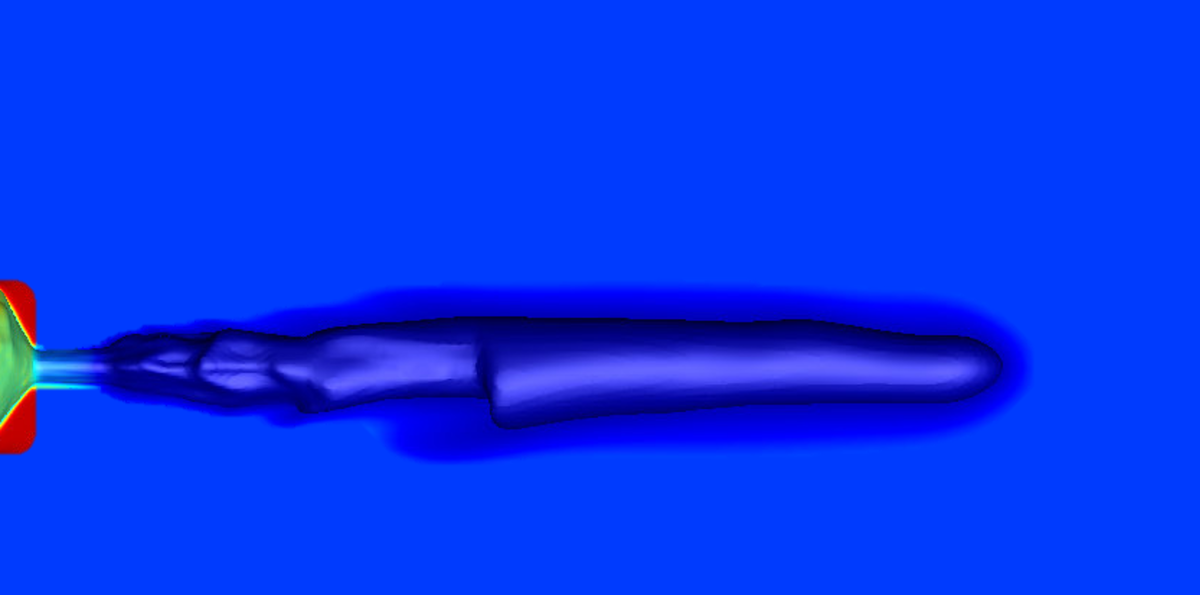
Numerical Investigation of Hydrogen Pre-Chamber Combustion: A Comparison of Turbulent Combustion Models Across Operating Conditions
Hydrogen-fueled internal combustion engines are a promising route to decarbonizing heavy-duty transport, but the high reactivity of hydrogen requires lean operation, which in turn needs a robust ignition source. Active pre-chamber turbulent jet ignition provides such a source, yet numerical studies of pre-chamber combustion usually rely on a single turbulent combustion model, leaving the sensitivity of the predictions to the choice of model unexplored. Moreover, simulated and measured OH* chemiluminescence are rarely compared on an equivalent, line-of-sight basis. In this work, a hydrogen-fueled active pre-chamber in an optically accessible constant-volume combustion chamber is simulated using RANS in CONVERGE with two combustion closures: the SAGE detailed chemistry solver and the flamelet-based G-equation model, applied with an identical domain, mesh and turbulence model. Both are validated against experimental data at initial pressures of 10–30 bar and pre-chamber air-fuel equivalence ratios of 0.8–1.2. To compare with the line-of-sight measurements, the simulated OH* field is projected using a forward Abel transform. The G-equation model reproduces the pre-chamber flame propagation to within approximately 0.05 ms, as well as the jet penetration and morphology. Its timing error originates in the ignition and early flame kernel phase. SAGE over-predicts the combustion duration, consistent with the absence of turbulence–chemistry interaction in its source terms, but reproduces the shape, extent and timing of the OH* signal once time is normalized to the hot jet exit. Ground-state OH, inaccessible to the present diagnostics, persists in the combustion products and penetrates considerably further into the main chamber than OH*. OH* chemiluminescence therefore marks the instantaneous reaction zone but underestimates the extent of the reacted region. Combustion of the jet-borne hydrogen in the air-filled main chamber is found to be incomplete in all cases.
PhD Course “System, Sustainability and Societal Aspects in the Energy Transition” 2-3 November 2026
Dear PhD students, We are pleased to invite you to the 4TU.Energy PhD Course “System, Sustainability and Societal Aspects in the Energy Transition”, taking place on 2–3 November 2026 at Bar Beton, Utrecht Central. What to expect • Pitch your Research opportunity • 2 days including 3 sessions covering different perspectives on the energy transition • Opportunities to exchange ideas and expand your network within 4TU+ • Certificate with learning hours provided Maximum 50 participants (FULL=FULL) Please note that registration for the PhD course and pitch training is separate. You are welcome to register for either activity or both.
October 2026
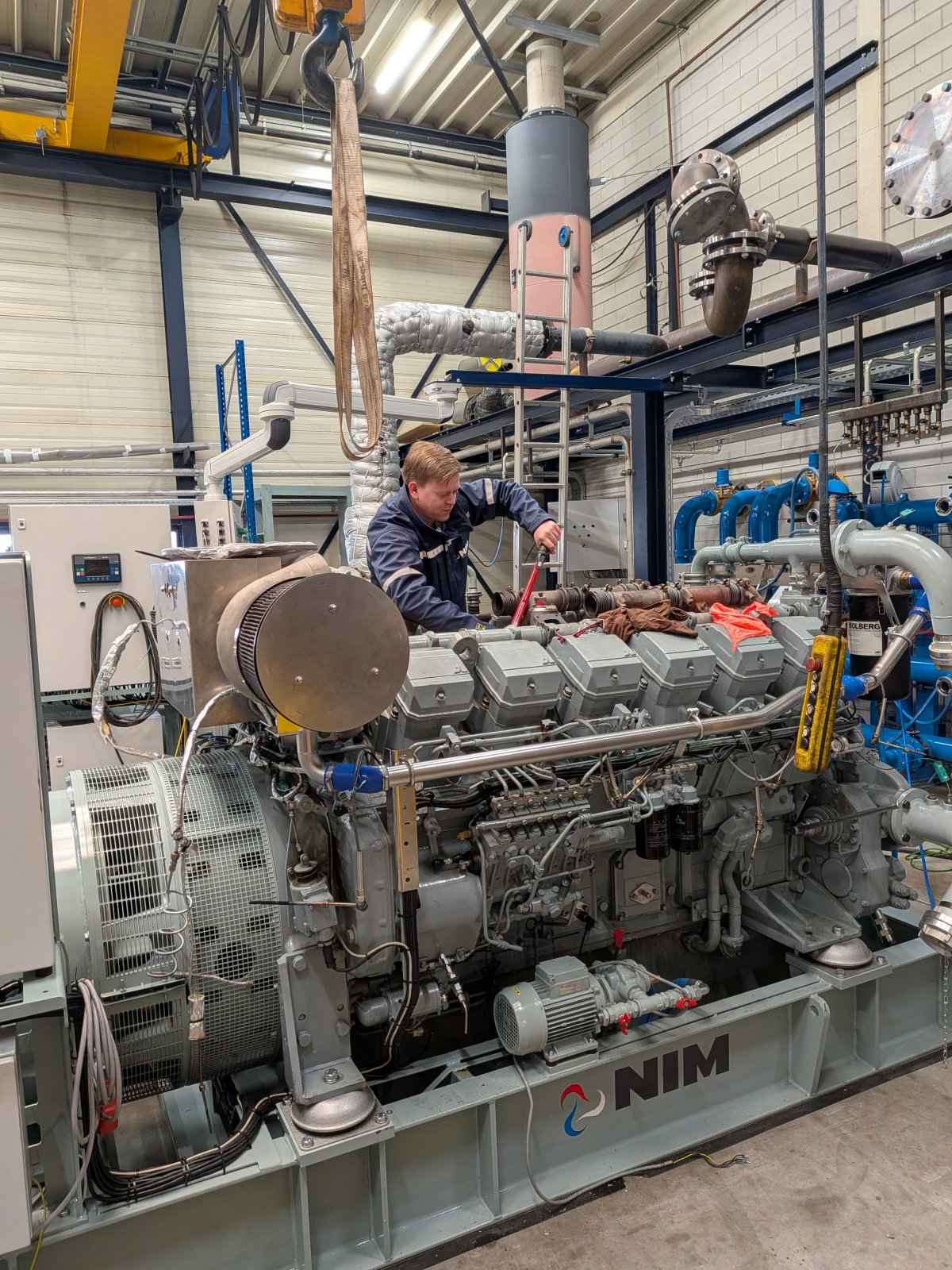
Statistical Modeling of Methanol Dual-Fuel Engine Behavior using Design of Experiments
In the search for alternative fuels and combustion methods, research is being done to adapt highspeed diesel engines for methanol operation using dual-fuel retrofit systems, but the effects of operating conditions on engine performance and achievable methanol substitution require systematic characterization. This study develops statistical regression models for a Mitsubishi S6R diesel engine equipped with the methanol dual-fuel retrofit system of the Nederlandse Innovatie Maatschappij. A three-factor Box-Behnken design with 15 experimental runs was applied. Engine speed, diesel injection timing, and engine load were varied. For each operating point, the maximum achievable energy-based diesel replacement ratio (DRR) was established subject to combustion-stability constraints. DRR was then included as a covariate when modeling brake efficiency, exhaust gas temperature, and lambda, and was treated as a separate response when modeling maximum achievable replacement. Second-order polynomial models were fitted by least squares and reduced using coefficient significance tests, analysis of variance, adjusted coefficients of determination, and residual diagnostics. The final models achieved adjusted R² values of approximately 0.97–0.98 for the experimental data. Brake efficiency generally increased with engine load and advanced injection timing, while increasing engine speed reduced efficiency. Exhaust gas temperature increased with load and DRR and decreased with more advanced injection timing. Within the investigated range, the maximum achievable DRR was predicted to be highest at high load, low engine speed, and advanced injection timing. The calculated lambda response exhibited linear and nonlinear relationships; however, part of its modeled sensitivity to engine speed and DRR arises from their mathematical relationship with the lambda calculation. The resulting models quantify relationships between operating conditions and engine responses and provide a basis for future operating-point optimization. Further investigation is required to assess prediction accuracy outside the tested operating range.

Simulating Cornering Strategies for Minimum Lap Time of a Racing Car
In circuit racing, the goal is to minimise lap times. Racing drivers can use different racing lines to drive a corner fast. However, the fastest technique does not only depend on the corner itself, but also on the configuration of the vehicle. To simulate the optimal cornering technique, a method is therefore required that incorporates both the description of the corner and the dynamics of the vehicle. Moreover, the simulation should apply steering inputs that represent those of a human driver. This thesis discusses an optimisation method that aims to find this optimal cornering technique that minimises lap time. The optimisation problem is formulated as optimal control problem. The optimal control problem is transcribed to a non-linear program using direct full collocation. The interior point solver IPOPT is used in combination with CasADi to solve the problem. The equations of motion for a four degree of freedom single-track vehicle model with pitch dynamics are derived such that the effect of damping and pitch inertia can be analysed. The results of a quasi-steady state simulation are used to provide the solver with starting values for the vehicle states and control inputs. It is shown that including a weight for the steering input in the cost function results in more realistic steering inputs that can be applied by a human driver. Using a series of optimisations with incremental changes in vehicle mass shows the optimisation method converges to multiple local minima when the quasi-steady state simulation results are used as starting value. By replacing the starting values with the results of a previous optimisation, so-called warm-starting, the optimisation method does converge to a single local minimum. The vehicle model with pitch dynamics is compared to a single-track model without pitch dynamics on a 90 deg. turn. It is shown that 80% of the 0.005 s difference in lap time between the two models is contributed by the model with pitch accelerating faster on the straight leading up to the corner. This is the result of the solver selecting a negative pitch rate at the start of the manoeuvre that results in a higher vertical load on the rear tyre compared to the model without pitch.

Data Bites online session: Reproducible research - best practices
Dear researcher, You are invited to our upcoming Data Bites online session on October 29th at 13:00 titled Reproducible research: best practices. In this 30-minute session, you'll learn practical steps to make your research reproducible from start to finish. Reproducible research: best practices 📅 29 October 2026 🕗 13:00-13:30 📍 Teams Want to join? PLEASE REGISTER During this concise 15-minute presentation, you'll gain valuable insights, and the following 15 minutes will be dedicated to an engaging discussion. Whether you are a student doing research, PhD, post-doc, or a professor, feel free to drop by, listen in, and share your questions and experiences with the topic. The Data Bites sessions, organized by the Data Stewards team, are designed to spread awareness on various topics related to Research Data Management. This is an opportunity to take a short break from your busy day and learn something new and useful! Check out Data Bites sessions for more info and overview of upcoming session! If you have any questions, feel free to contact rdmsupport@tue.nl or ask your departmental Data Steward. Interested in staying in touch with us? Sign up for our Newsletter. On behalf of the Data Stewards team, Neda Norouzi (BME Data Steward)
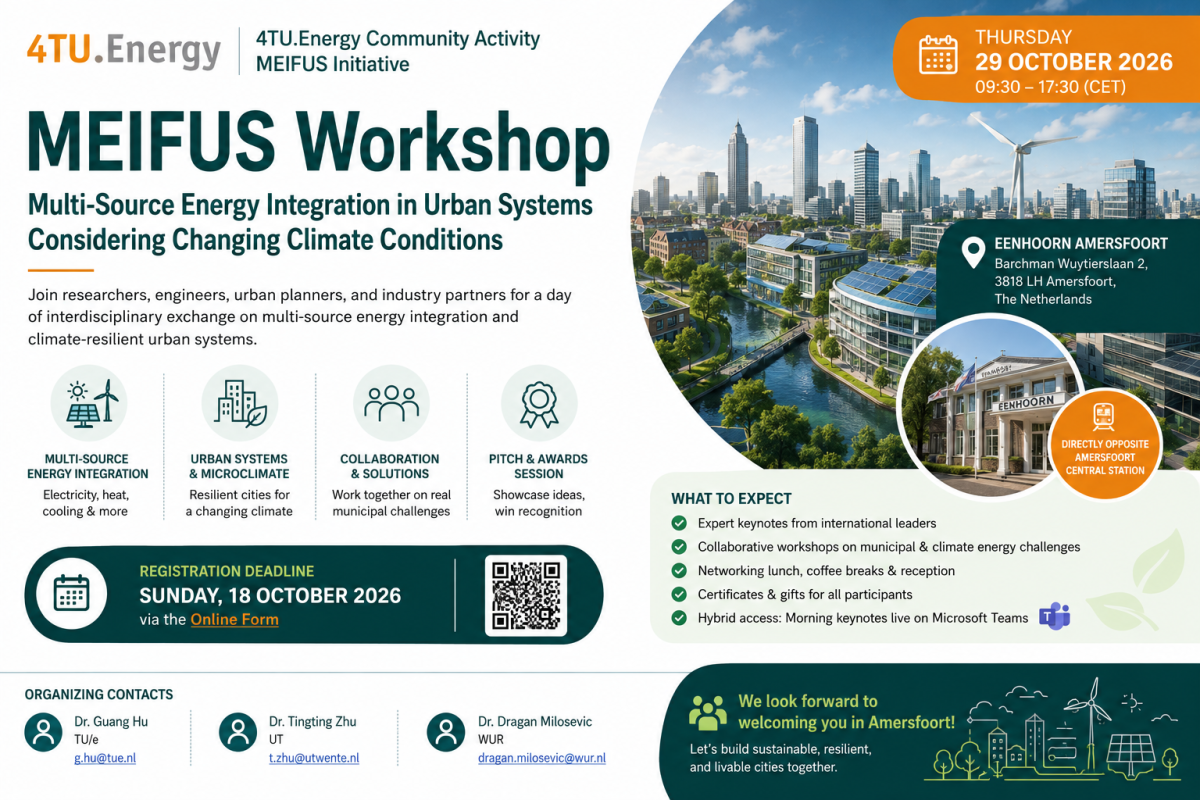
4TU.Energy Community Activity Meifus Initiative
Join researchers, engineers, urban planners and industry partners for a day of interdisciplinary exchange on multi-source energy integration and climate-resilient urban systems.

WISE Annual Event 2026: “Excellence Under Pressure: Performing, Thriving and Leading in Academia” - registration is needed
13:15 – 13:30: Walk-in / registration 13:30 – 17:30: Event, Senaatszaal (Auditorium) 17:30 – 19:30: Networking drinks and buffet (foyer Senaatszaal) In academia, pressure is not the exception; it is the norm. We experience/try to balance deadlines, publication expectations, teaching responsibilities, leadership roles, visibility, and competition. Excellence is our goal, but how can we make it sustainable for our professional and personal life? And how do we lead, ourselves and others, when expectations are (too) high? During this year’s WISE Annual Event at TU/e, we explore the dynamic relationship between leadership and scientific excellence, and how we can perform effectively under pressure. The WISE Network board warmly invites you to this engaging event! Program: 13:15 - 13:30 Walk-in /registration participants 13:30 - 13:45 Opening by Silvia Lenaerts (Rector Magnificus) and Victorita Dolean – Maini (Chair WISE) 13:45 - 14:45 Keynote by Francesca Carlin “Excellence Under Pressure: Performing, Thriving, and Leading in Academia” In a world of high expectations and constant change, how do we perform at our best while staying true to ourselves? Drawing on insights from leadership, personal resilience, and lessons from the theater, Francesca Carlin will explore how we can thrive under pressure, embrace challenges, and lead with presence, purpose, and authenticity. 14:45 - 15:45 Personal stories from TU/e colleague TU/e colleagues Lucia Bossoni, Sandra Loerakker and Kees Storm will share honest reflections on navigating expectations, ambition, and responsibility. How do they define excellence? What have they learned about leading under pressure? And what does sustainable success look like in practice? 15:45 - 16:15 Coffee break 16:15 - 17:15 Interactive workshop by Francesca Carlin This interactive workshop invites participants to explore practical tools and approaches that support resilience and effective action under pressure. Through hands-on exercises, including body language work such as power posing, and guided reflection, we’ll examine the aspects that shape how we navigate challenges, while leaving space for each participant to explore what matters most to them. 17:15 - 17:30 Summary and closing words 17:30 – 19:30 Drinks and buffet Join us for this inspiring afternoon filled with meaningful conversations, practical insights, and opportunities to connect with fellow members of the TU/e community. You can register for the event here. Seating in the Senaatszaal is limited, so we encourage you to register soon to secure your spot. This event is open to all members of the WISE and TU/e community, regardless of gender, role or career stage. Keep an eye on our website or LinkedIn for any updates!
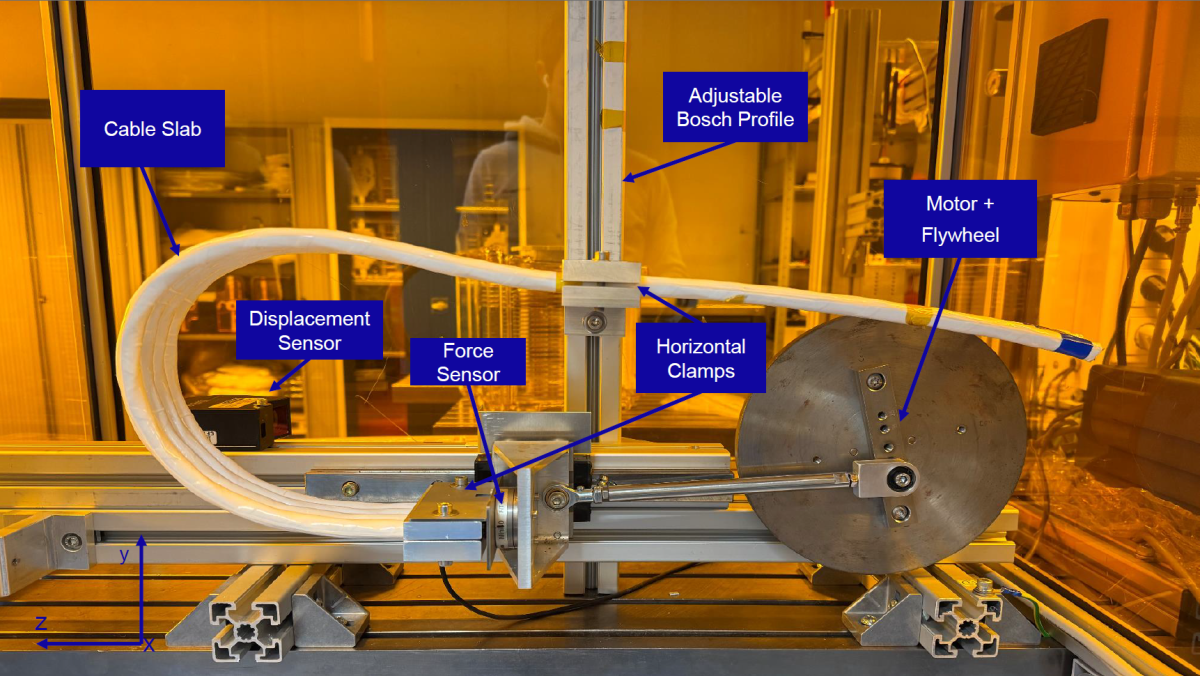
Modeling and HOSIDF-based identification of cable slabs; an asymmetric hysteresis extension
Abstract: This thesis investigates the modeling and frequency-domain identification of asymmetric hysteresis in the disturbance force generated by a cable slab system. An existing symmetric hysteresis model captures the dominant odd harmonics but cannot represent the measured even-harmonic contribution. Furthermore, experimental frequency-response measurements reveal a dynamic stiffness contribution related to inertia that causes a frequency-dependent mismatch in the first harmonic. The existing model is therefore extended with a coupled mass and a sigmoid-based asymmetric extension. The coupled mass represents the inertial contribution to the first harmonic, while a sigmoid-based spring and damper capture the dominant second-harmonic behavior. A local approximation of the sigmoid functions enables analytical identification using HigherOrder Sinusoidal Input Describing Functions (HOSIDF). The complete model is validated over a 5 × 5 grid of excitation amplitudes and frequencies using frequency-domain and time-domain identification. The results demonstrate that modeling the first three harmonics captures the dominant measured cable slab induced disturbance behavior. Frequency-domain optimization provides most of the improvements obtained through time-domain optimization while using substantially less computational effort. The model and its local approximation are validated over the investigated experimental range, while their accuracy outside this range remains unverified.
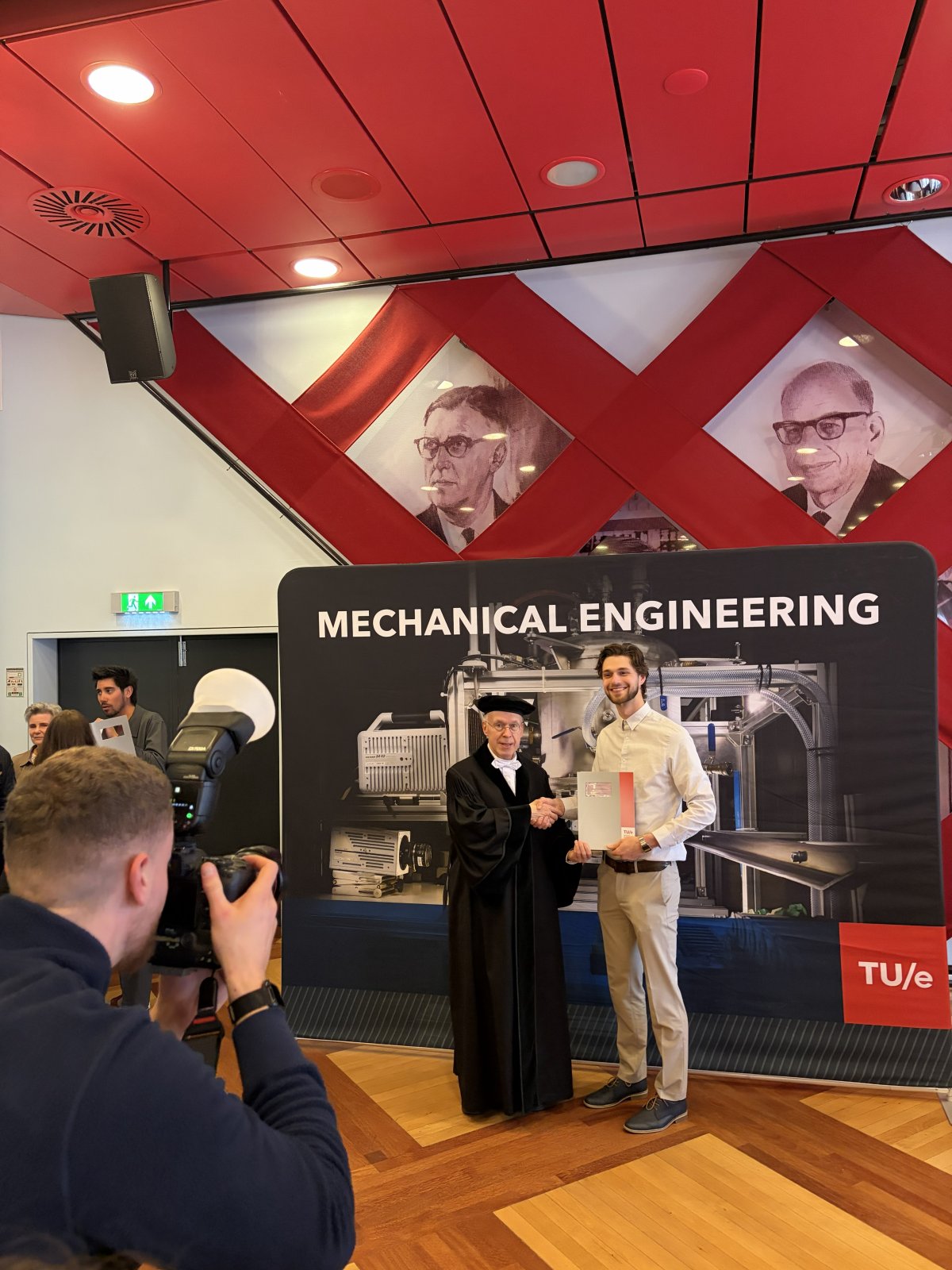
Congratulate your graduates
The next diploma ceremony will be on October 23, 3 – 4 pm with a reception afterwards. If you want to join the reception and congratulate your student, please inform CSA: me.csa.at.sc.set@tue.nl
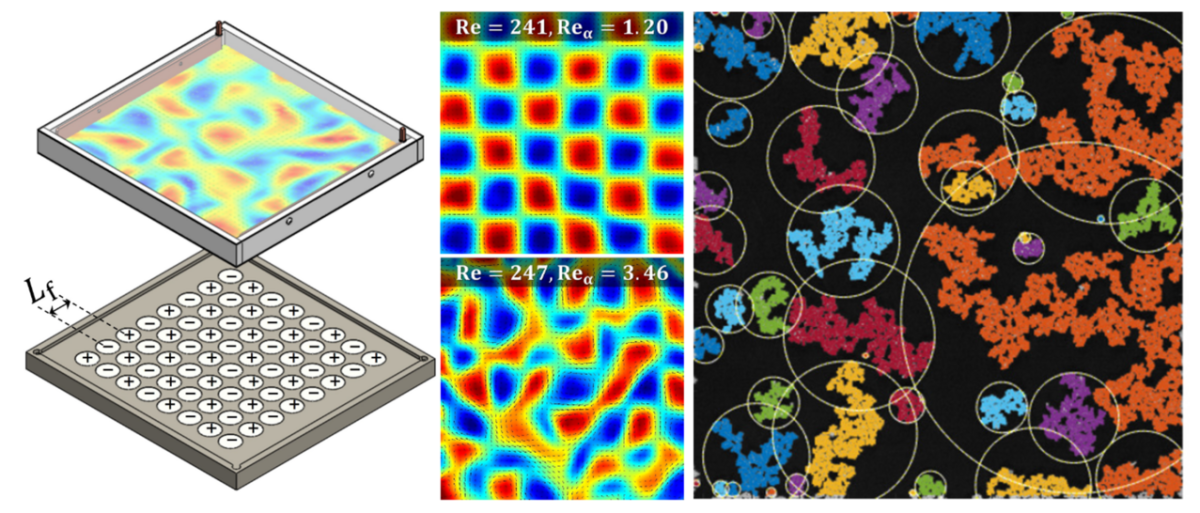
BurgersTour/ME lecture: Floating on Turbulence
From marine litter to ice floes, natural bodies of water are often populated with floating objects spanning vast ranges of size, shape, and concentration. Predicting their behaviour requires understanding how turbulent water motion is altered by the presence of the free surface, and how the underlying turbulence influences the interfacial dynamics between the surface and the floating objects, as well as among interacting floaters. Even in the seemingly simple case where surface waves are negligible, the problem is rich in fascinating phenomena. This seminar presents a series of experiments conducted in flow facilities large and small, in which marginally buoyant particles (millimetric to centimetric, round and irregular, solid and deformable) float on turbulent water. For simplicity, the focus is primarily on two opposite limits. First, a dilute suspension of non-interacting discs significantly larger than the dissipative scales of turbulence is considered. These discs exhibit translational and rotational motions dictated by the local flow, coarse-grained at the scale of the particle. Second, dense suspensions of smaller spherical particles are considered. These form multiscale, percolating clusters bound by capillary forces, whose dynamics is well described by a population-balance framework. Finally, the seminar provides insights into the profoundly different behaviour exhibited by floating rods and oil droplets. Filippo Coletti is Professor of Experimental Fluid Dynamics at ETH Zurich, where he has been since 2020. Previously, he was McKnight Land-Grant Professor of Aerospace Engineering and Mechanics at the University of Minnesota, which he joined in 2014. He completed his doctoral studies at the Von Karman Institute for Fluid Dynamics and the University of Stuttgart, earning his PhD in 2010. He was subsequently a postdoctoral fellow at Stanford University from 2011 to 2013. He received the CAREER Award from the U.S. National Science Foundation in 2015 and an ERC Consolidator Grant from the European Research Council in 2022. He is a Fellow of the American Physical Society and an Associate Editor of the Journal of Fluid Mechanics. He founded and co-organizes the Fluid Mechanics Tour of the Alps, an itinerant seminar series featuring leading researchers in fluid mechanics. His research focuses on multiphase flows, which he investigates using a wide range of experimental techniques, with applications in environmental, biomedical, and industrial systems.

Why do iron particles fail to burn? Numerical investigations into the interaction of turbulence and iron powder combustion
Industrial iron powder combustors represent a highly promising carbon-free renewable energy technology, but their practical application is frequently hindered by combustion inefficiency, specifically the presence of unoxidized particles. To understand if such flames can be self-sustaining, an investigation into the observed inefficiency is necessary. This investigation hinges on two fundamental questions: 1. Can all particles be ignited in the first place? 2. If particles are successfully ignited, can they quench midway through their combustion? In real combustors, the flow is inherently turbulent, which drives the fluid dynamic phenomenon of preferential concentration. This phenomenon results in particle clustering, which could have a detrimental effect on the combustion process. In order to understand precisely how preferential concentration affects the overall combustion of the particles and to deduce whether turbulence interaction could be an answer to the posed questions, a dedicated numerical framework to simulate turbulent, particle-laden iron flames is developed. The framework is based on a two-way coupled Eulerian-Lagrangian approach, tracking the iron particles with the point-particle assumption and employing the “switch-type” kinetics from the oxide-layer model by Mi et al. to model particle reactions. This framework is implemented in the high-fidelity solver NTMIX-CHEMKIN to perform robust Direct-Numerical-Simulations (DNS) and in the commercially-available OpenFOAM to test large-scale capabilities with Large-Eddy-Simulations (LES). Using this framework, iron particle combustion in a Homogeneous Isotropic Turbulence (HIT) field is first analyzed using DNS [3]. The results demonstrated that preferential concentration causes massive localized oxygen depletion, which can elongate particle burn times by up to eight times compared to isolated particles. However, the most critical message from this study is that although the combustion time is significantly elongated by clustering, the flame does not quench; the particles smoothly complete their oxidation. This behavior is further confirmed by the DNS of a turbulent mixing layer, which also showed the extension of combustion time and underscored the critical importance of oxygen depletion in particle-dense regions. The mixing layer study additionally revealed that while small particles (under 20 μm) maintain the laminar structure of the flow, larger particles (over 28 μm) possess the momentum to actively perturb the mixing layer and induce turbulent-like behavior. Because particles do not quench once ignited, the primary focus for solving combustion inefficiency should be strictly on the ignition phase of the combustion process. Experimental results from pilot burners, such as those analyzed by Niek van Rooij and Jesse Hameete, highlight that iron particles can completely fail to ignite, possibly due to the gradual growth of the oxide layer and subsequent hindering effects on ignition. Hence, accurately predicting ignition becomes the most vital part of the numerical modeling of turbulent iron flames. The jet-in-hot-coflow burner developed by Jesse Hameete is numerically modeled as LES in OpenFOAM. Two distinct reaction models—the first-order Damköhler model and the oxide-layer model—are compared against experimental data. Ultimately, neither numerical model is currently able to perfectly capture the observed ignition behavior. While the first-order model overpredicts ignition percentages, the oxide-layer model exhibits the same trend in percentages as seen in the experimental results, albeit with a substantial error in critical temperature. However, this study confirmed that particles do not partially oxidize in such large-scale flames; rather, they fail to ignite. Can preferential concentration enhance ignition? A numerical study on ignition in three-dimensional spherical suspensions shows that a clustered particle distribution has a substantially lower ignition temperature than a random Poisson distribution in space. Hence, partial clustering before particle injection could lead to better ignition in large-scale combustors. Ultimately, this research establishes that the combustion inefficiency in industrial turbulent iron flames is primarily a failure of ignition rather than mid-combustion quenching. While preferential concentration significantly delays oxidation through localized oxygen depletion, it does not inherently extinguish ignited particles; conversely, clustering may actually lower the thermal threshold required for initial ignition. These findings shift the paradigm for optimizer strategies toward the pre-ignition phase. Future research must bridge the gap between current kinetic models and experimental reality, specifically investigating how multi-stage turbulent mixing dynamics can be leveraged to optimize combustion efficiency and improve the overall performance of large-scale iron powder combustors.
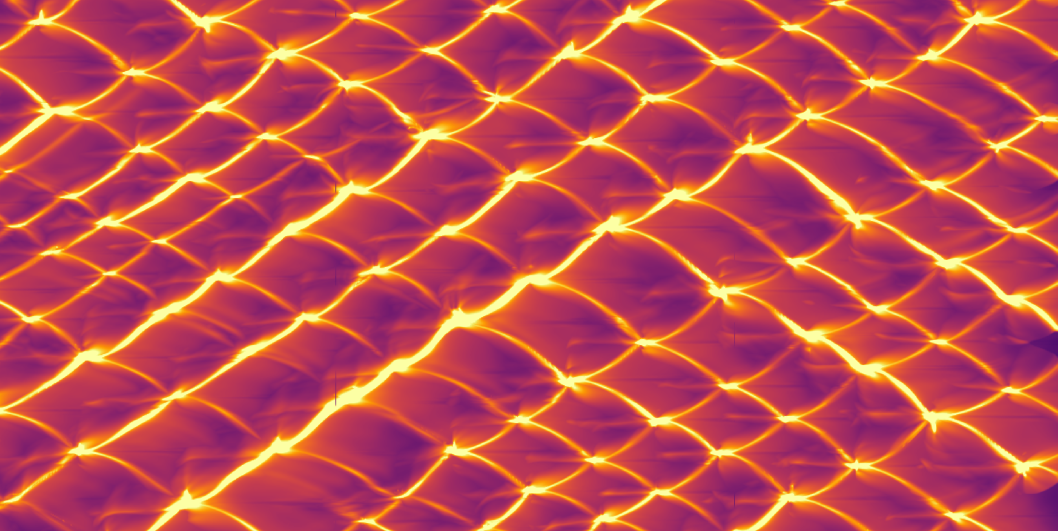
The Impact of Numerical Resolution on the Accuracy of 2D Irregular Cell Detonation Simulations
This study investigates the effect of resolution on detonation dynamics in numerical simulations. One- and two-dimensional (1D and 2D) simulations were performed for resolutions between 10 and 300 grid points per ZND induction-zone length for undiluted and diluted stoichiometric mixtures of methane-oxygen and hydrogen-oxygen. Specific properties observed include cell irregularity (measured using the standard deviation of cell angle), average cell size, detonation speed, the induction zone in 1D, and a characteristic length scale in the streamwise direction in 2D simulations. The standard deviation of cell angle shows that when increasing resolution there is a sudden transition to irregularity. However, this transition can occur at different resolutions for different mixtures. Detonation speed stays largely constant, although there is a slight decreasing trend with increasing resolution. 1D simulations show that the distance between the leading shock and the maximum heat release gradient increases with resolution up to 80 grid points per induction-zone length, where it converges at a value close to the ZND induction-zone length. For the 2D methane-air simulations, it was observed that low resolution smears out the shock and reaction zone. This leads to the temperature artificially increasing earlier than expected, leading to a sooner rapid heat release. A too-low resolution can even suppress transverse waves and cellular structures entirely. Unburnt pockets and irregularity are observed at 80 grid points per induction-zone length, and a resolution of 300 grid points per induction-zone length shows more precise vortices and small-scale effects. It has been concluded that capturing the global behavior of irregular-cell detonations requires at least 40-80 grid points per ZND induction-zone length (depending on the mixture).
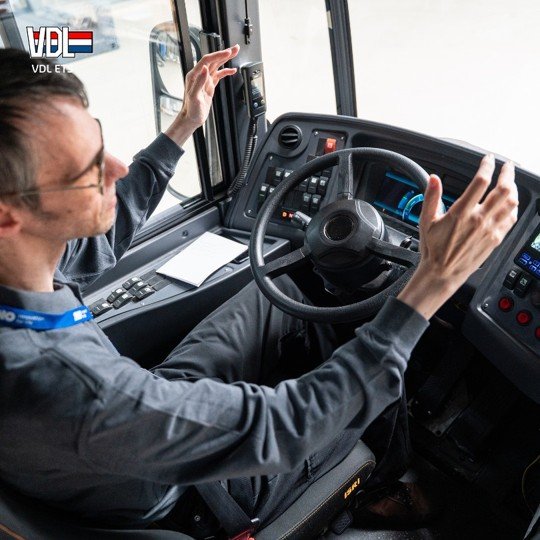
Ego Trajectory Prediction for Autonomous Vehicles Using a Dynamics-Residual Hybrid Model
This work presents a hybrid trajectory prediction model for autonomous buses, in a yard-manoeuvring use case (<15 km/h). A hybrid residual model (HM) is used, where an analytical model (AM) is combined with a data-driven model (DM), in this case an LSTM. In this method, the AM provides an initial estimate of the bus's yaw rate and lateral velocity, and a DM learns to correct the residual error of that estimate. A high-fidelity multi-body simulation is used as ground truth for training, where it is excited using a random-phase multisine. The HM's objective function includes both velocities and position, thereby encouraging both physically plausible and accurate trajectories. Additionally, two differing complexities of AMs are used to investigate whether a more complex AM lets the HM predict trajectories more accurately. Over 10 separate training runs, numerical results show that the HM is 94 % more accurate than both baseline AMs in an unseen test-set, and that the different complexities in AMs do not make a significant difference in absolute accuracy. The HM using the more complex AM is found to have larger training-validation gap compared to the HM with the less complex AM.

ICMS Lecture Xavier Morelle (INSA Lyon, France): How curing conditions improve the mechanical properties of silica-free silicone elastomers
How curing conditions improve the mechanical properties of silica-free silicone elastomers L. Rajinthan1, P. Sotta1, F. Ganachaud1, X.P. Morelle1 1Université Claude Bernard Lyon 1, INSA Lyon, Université Jean Monnet, CNRS UMR 5223, Ingénierie des Matériaux Polymères F-69621 Villeurbanne, France Silicone elastomers have found a widespread use in various applications due to their many qualities such as temperature resistance or ease of processing and use. They are usually composed of a PDMS matrix reinforced by nanosilica to improve their mechanical properties, but some of them do not contain extrinsic nanosilica fillers, such as RTV 141 and Sylgard 184, two bicomponent elastomers widely used in various academic fields (microfluidics, biology, soft robotics, …). Several studies [1-2] have shown that, at a given composition, despite the absence of extrinsic silica fillers, they can undergo a strong strain stiffening and could reach high strengths at break, but only when cured at high temperatures. Specifically, increasing the curing temperature above 60°C leads to an increase of the elastic modulus and the appearance of a strong strain hardening response at large strains. This temperature dependence cannot be explained by the vulcanization kinetics of the PDMS matrix, as Double-Quantum (DQ) NMR [3] measurements show no variation in the crosslink density. However, combined NMR and swelling measurements show that increasing the curing temperature leads to an increase of a rigid phase [4], which may be responsible for the increase of the elastic modulus and strain stiffening. NMR and GPC characterizations show that these rigid inclusions are composed of ill-condensed silica-like resins. We hypothesize that at temperatures of 60°C and above, rigid nanoaggregates are formed from MDVQ resins and that this aggregation partly controls the mechanical properties of the obtained elastomer. To confirm this hypothesis, we have characterized the structural evolution of these elastomers after different curing cycles with NMR and SAXS measurements [4]. Noteworthy, we can obtain a material with a J-shape stress-strain curve, typical of natural systems such as tendons and ligaments that are hardly mimicked artificially, thus opening an interesting route of development. Keywords: RTV silicone elastomers, structure-property relationships, nanoaggregation, SAXS, low-field NMR. References: [1] Johnston, I. D.; McCluskey, D. K.; Tan, C. K. L.; Tracey, M. C. Mechanical Characterization of Bulk Sylgard 184 for Microfluidics and Microengineering. J. Micromechanics Microengineering 2014, 24 (3). [2] Rey, T.; Chagnon, G.; Le Cam, J.-B.; Favier, D. Influence of the Temperature on the Mechanical Behaviour of Filled and Unfilled Silicone Rubbers. Polym. Test. 2013, 32, 492–501. [3] Sotta, P.; Albouy, P.-A.; Abou Taha, M.; Moreaux, B.; Fayolle, C. Crosslinked Elastomers: Structure–Property Relationships and Stress-Optical Law. Polymers 2022, 14 (1), 9. [4] Rajinthan, L.; Maamouri, N.; Sotta, P.; Morelle, X.P.; Ganachaud, F. When, How, and Why Curing Conditions Change the Mechanical Properties of Silica-Free Silicone Elastomers. Macromolecules. 2025, 58 (22), 12293-12305.
Remnant Control for High-Precision Piezo-Actuated Positioning Systems
Thermometry by laser-induced fluorescence of molecular oxygen in iron flames
Accurate combustion simulations are indispensable to further advance the development of metal fuels and these require validation through experimental data. Currently the particle temperature can be measured reliably, but this is only half of the story. The concept of laser-induced fluorescence of molecular oxygen is therefore investigated to measure the other half: the temperature of the gas. This is not trivial, since excitation requires light in the deep ultraviolet (190 – 210 nm) and metal particles reflect laser light very efficiently, which obstructs part of the fluorescence signal. In this work, the operation and performance of the diagnostic technique is examined and improved, and it is investigated how measurements can be performed in iron flames effectively.
Compensating position-dependent imperfections at their physical origin: a data-driven framework for a 6-DOF infinite-rotation stage

Equivariant Machine Learning for Simulation of Buckling in Mechanical Metamaterials
Mechanical metamaterials are materials with special properties such as tunable stiffness and negative Poisson’s ratio, resulting from their specially designed microstructure. Using structural instabilities like buckling, these materials can undergo controlled pattern transformations, making them suitable for applications in soft robotics and tunable sound attenuation. However, modelling, design, and optimization of such materials are limited by the high computational cost required to simulate these materials using conventional methods when deformations are large and there is buckling. To address these computational bottlenecks, this thesis splits into the following main four parts. 1. Accelerated Homogenization via SimEGNN First, SimEGNN (Similarity-Equivariant Graph Neural Network) is developed, which is a neural network that respects fundamental physical symmetries (Euclidean transformations, periodicity, and scaling). It predicts global quantities like strain energy density, stress and stiffness as well as the local deformation field in response to a macroscopic deformation gradient. It provides a high-fidelity alternative to traditional finite-element simulations. Quantitative results demonstrate that this architecture achieves superior data efficiency and provides order-of-magnitude speed-ups on a relevant test system (a microstructure with circular holes arranged in a square grid), making it a practical tool for rapid, iterative design. 2. A Dataset of Wallpaper Group-Based 2D Microstructures The development of robust surrogate models requires training data that reflects the full diversity of geometric possibilities. To this end, this thesis introduces a novel dataset of 1,020 high-quality 2D microstructures spanning all 17 wallpaper groups. These structures are generated via a periodic-graph "skeleton", used as a starting point to determine the shape and placement of holes parametrized by Bézier curves, ensuring connectivity. Each microstructure is simulated across multiple loading trajectories in the hyperelastic, finite-strain regime including buckling, providing a comprehensive resource for studying symmetry-property relationships such as auxeticity and mode multiplicity. 3. Equivariant Flow Matching for Bifurcation A fundamental challenge in modeling buckling metamaterials is multistability, where a single input can lead to multiple stable states. Because traditional deterministic machine learning models tend to average these outcomes into nonphysical predictions, this thesis introduces a probabilistic, equivariant flow-matching framework capable of capturing the full distribution of bifurcation outcomes. This framework is tested on various physical problems that show symmetry-breaking bifurcations. The framework ensures that the learned distributions respect the underlying physical symmetries of the system, even if individual outcomes break those symmetries. The models are trained more efficiently by utilizing symmetric coupling to find the optimal group-equivalent target for each sample. 4. An Integrated Pipeline for Deformation Distributions The final contribution of this thesis synthesizes the above three elements into a unified GNN and Flow-Matching pipeline. This integrated pipeline takes graph representations of metamaterials as input and generates entire distributions of deformation trajectories under mechanical loading as output. Temporal 1D U-Nets are incorporated to model long-range dependencies within these trajectories. The pipeline offers a powerful, end-to-end tool for predicting the complex, nonlinear behavior of mechanical metamaterials.
An Exactly Constrained Machine Architecture for Overlay Improvement in Large-Area Roll-to-Plate UV Nanoimprint Lithography
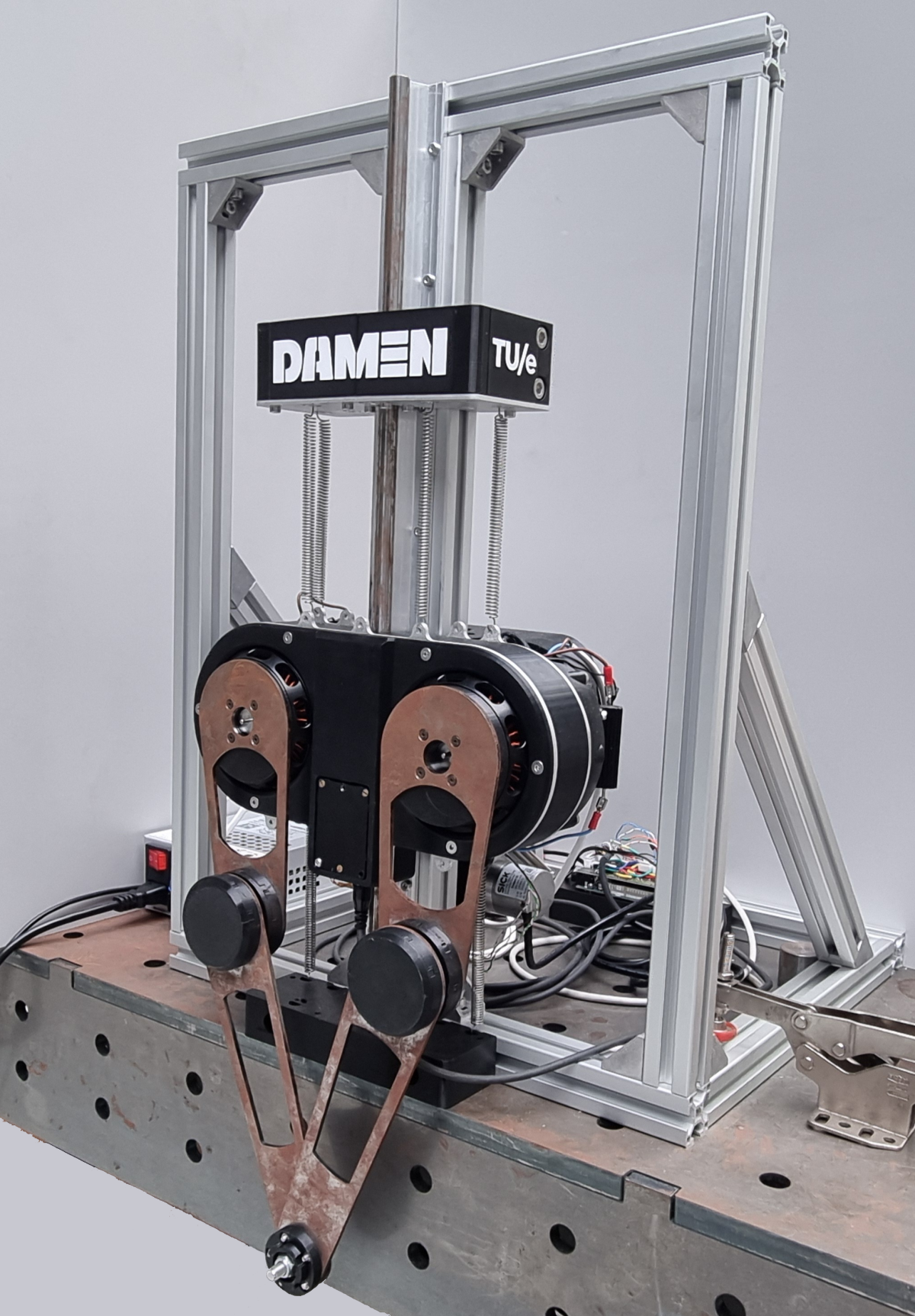
Motion and Vibration Control of a Robot on a Compliant Support
This thesis investigates control strategies for improving the accuracy of a welding robot mounted on a compliant support. The research is motivated by robotic welding applications in shipbuilding, where in the future robots can be positioned using boom-like structures. Vibration and movement of the support structure can however compromise welding accuracy. To study this problem, a five-bar robot with a single vertical compliant degree of freedom was developed as an experimental setup. Analytical modelling, multibody simulation, and physical experiments were used to examine the influence of mechanism mass, support stiffness, and trajectory duration. In this way, four control strategies were evaluated: encoder-based base-motion compensation, IMU-based acceleration feedforward, zero-vibration input shaping, and zero-delay input shaping. The results show that structural compliance increases world-frame tracking error, particularly when the commanded motion excites the dominant structural mode. Encoder-based compensation provides the most consistent improvement, while acceleration feedforward has a limited effect. Input shaping reduces vibration at the cost of increased movement time, whereas zero-delay input shaping preserved the original duration but is sensitive to operating conditions. Overall, the results show that tracking accuracy can be improved using the robot’s existing actuators, although the achievable improvement depends on the system dynamics, trajectory, control delay and sensors.
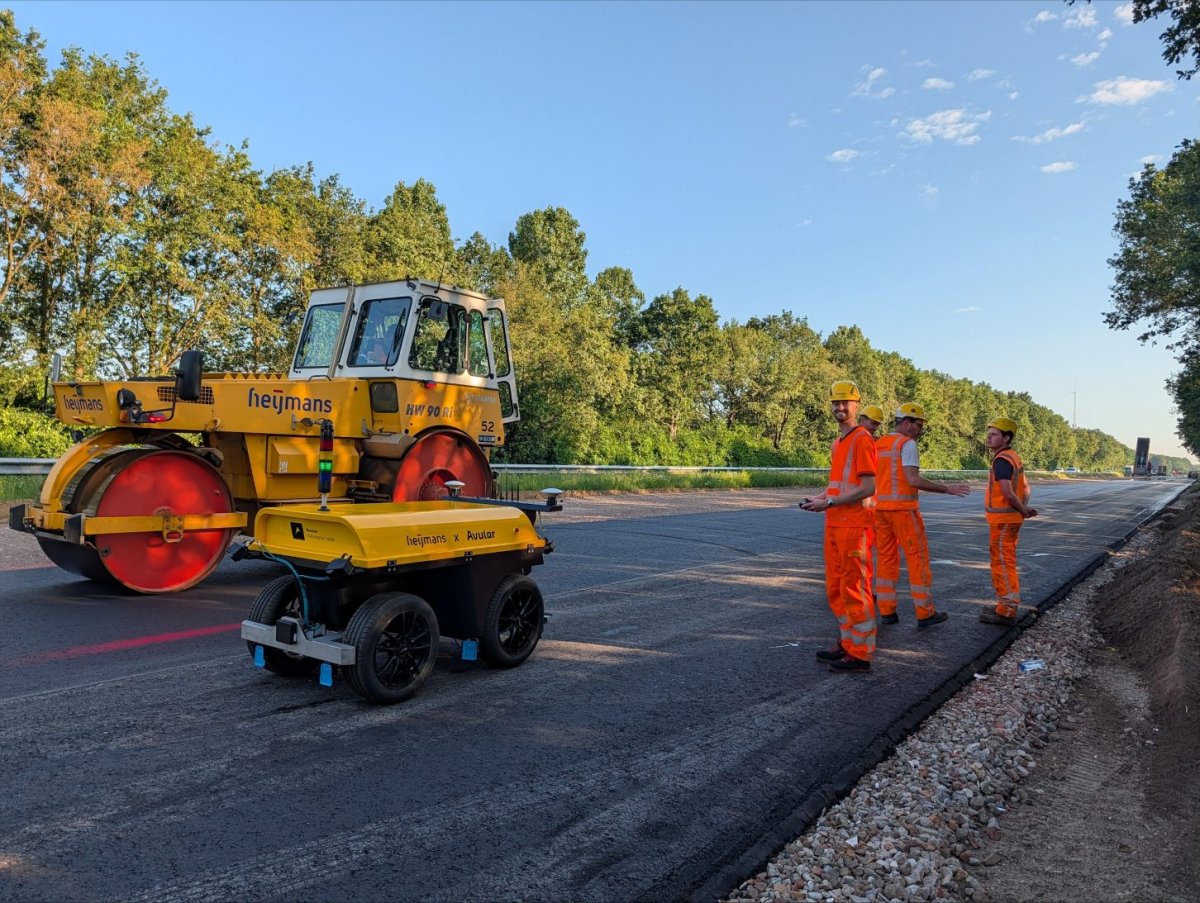
Development, Implementation, and Experimental Validation of a Model Predictive Controller for an Autonomous Road Roller
This thesis presents the development and experimental validation of a Model Predictive Controller (MPC) for autonomous road rollers. The controller aims to improve path-tracking accuracy while accounting for vehicle dynamics and actuator constraints. Its performance is evaluated through simulations and real-world experiments and compared with an existing Pure Pursuit controller. The results demonstrate the potential of MPC for accurate and reliable autonomous road compaction.
High-spatial-resolution characterization of underexpanded hydrogen jets using spontaneous Raman scattering
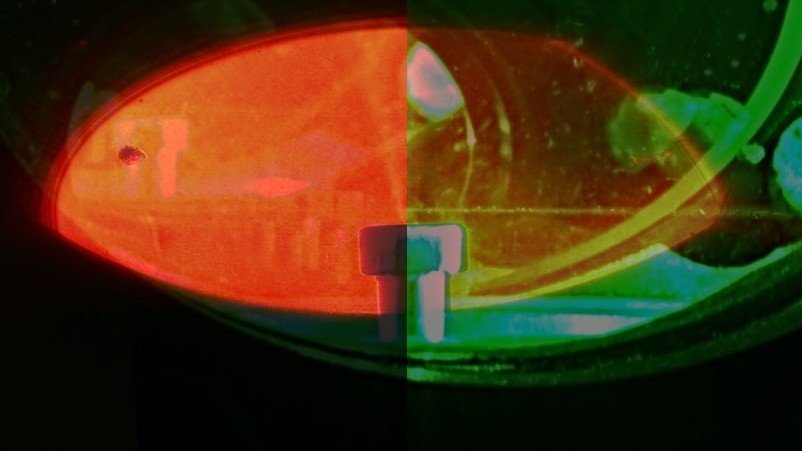
The hydrogen jet lies at the foundation of H2 internal combustion engine (ICE) technology, which is why investigation of its characteristics is necessary to advance the implementation and improve the H2 ICE. In this work, spontaneous Raman scattering is used to investigate the temperature, hydrogen number density, and hydrogen mole fraction of a continuous hydrogen jet emanating into atmospheric air. Both vibrational and rotational Raman scattering methods are used to investigate the temperature field of the jet with high spatial resolution, using a spatial sampling interval of 0.1 mm in the axial direction and 0.06 mm in the radial direction. Three different pressure ratios and two different nozzle orifice diameters are studied. Schlieren imaging identifies shock structures within the jet and supports the interpretation of the Raman measurements. The jet is characterized by repetitions of low-to-high-temperature zones in the center of the jet, with increasing temperature at the edges of the jet. The hydrogen number density follows the main temperature structure of the jet, while the hydrogen mole fraction is close to one in the center of the jet, decreasing toward the jet boundary and further downstream due to mixing with the entrained air. Rotational and vibrational Raman measurements show similar overall temperature structures and values. The pressure ratio (nPr) affects both the temperature distribution and size of the jet. The temperature decreases by approximately 50–70 K between nPr = 3 and nPr = 8, while the size of the jet structures increases for nPr = 8. The nozzle diameter mainly affects the spatial dimensions of the jet and its shock structures. A comparison between nozzles shows similar quantitative temperatures along the jet axis, with the only appreciable temperature differences between the nozzles being a 10 K higher minimum temperature for the bigger nozzle size at nPr = 3.
A Comprehensive Investigation into the Structural Modification of Carbon-based Materials for Hydrogen Storage Applications
Energy has played a critical role in the industrial and societal development of humanity. Historically, fossil fuels, namely coal, oil, and natural gas, have dominated the global energy supply. According to the International Energy Agency (IEA), these valuable resources account for approximately 81% of primary energy consumption as of 2023. However, this heavy dependence has resulted in severe environmental consequences, negative health effects, and the rapid depletion of natural resources. With the continued growth of the global population and industrial activity, energy demand is expected to rise further. These challenges highlight the urgent need to transition toward a more sustainable energy system centered on green energy sources. Achieving this transition requires the comprehensive utilization of all available renewable energy resources and green energy carriers to ensure a reliable and sufficient energy supply. In this context, hydrogen can be considered as one of the potential green energy sources. Hydrogen is widely recognized as a promising green energy carrier due to its high gravimetric energy density (143 MJ/kg) and zero-emission combustion, which produces only water vapor and heat. It enables efficient storage of thermal and electrical energy with minimal losses, offering a viable solution for balancing energy supply during periods when renewable sources like solar power are less effective. Despite its advantages, a major obstacle to the widespread use of hydrogen is the challenge of developing safe and cost-effective storage solutions. Its low molecular weight and high flammability, coupled with a very low density at ambient conditions (0.0824 kg/m³ compared to 1.184 kg/m³ for air), result in poor volumetric energy density. Addressing these issues requires the development of storage technologies that improve both gravimetric and volumetric energy densities while operating under practical conditions. Various hydrogen storage methods have been proposed, including compressed gas, liquid hydrogen, underground storage, ammonia-based solutions, and liquid organic hydrogen carriers (LOHCs). However, none of these methods are fully satisfactory or cost-effective, primarily due to the high energy demands, challenging storage conditions, geographic constraints, and the production of harmful by-products during hydrogen release. In response, physical adsorption on porous materials has emerged as a promising solution, offering high storage densities at lower pressures and temperatures. The U.S. Department of Energy (DOE) aims to achieve hydrogen–nanostructure binding energies between -0.15 and -0.6 eV, with gravimetric densities exceeding 5.5 wt% by 2025 and reaching an ultimate target of 6.5 wt%, along with a volumetric capacity goal of 50 g H₂/L for efficient hydrogen storage. Among the vast number of available nanostructures, which ones have the potential to be effectively used for achieving this goal? How can the hydrogen storage capacity of existing nanostructures be enhanced through targeted modifications? Answering these question is the key scientific objective driving the present PhD project. In the present project, fundamental work was conducted on improving the hydrogen storage capacity of various nanostructures. A particular focus was placed on carbon-based nanostructures as representative candidates for hydrogen storage applications. Both pristine and chemically or structurally modified forms of these nanostructures were studied in detail to assess their suitability. Special attention was given to understanding the mechanisms and effects of hydrogen adsorption on these materials, in both their unmodified and modified states. Rational multi-step strategies are proposed to systematically assess modified structures-based on the nature of the modification (interstitial or substitution)- by defining assessment parameters, boundaries, and final performance evaluation, with the goal of developing a comprehensive, transferable, and practically applicable framework for evaluating a broad range of potential nanostructures. Through this detailed analysis, several promising nanostructures were identified that demonstrate potential for further development toward real-world applications. Moreover, successful collaboration was undertaken on the modification of a newly synthesized material for hydrogen storage applications. The entire investigation was carried out using Density Functional Theory (DFT)- based computational methods, which enabled a thorough and fundamental exploration of the electronic, structural, and energetic properties of the materials.
From Natural Language to Executable Models: An LLM-Assisted Pipeline for Powertrain Synthesis
A study on energy dissipation in additively manufactured beams with powder-filled cavities: experimental characterization and modeling directions.
The increasing performance demands of high-performance mechatronic systems require structures that combine low mass, high stiffness, and damping. Additive manufacturing, particularly Laser Powder Bed Fusion (LPBF), enables the integration of powder-filled cavities that can provide passive damping without additional components. However, the underlying energy dissipation mechanism is not yet sufficiently understood. This thesis investigates the modal damping behavior of LPBF-manufactured beam specimens containing powder-filled cavities. Force-amplitude-controlled stepped-sine excitations and frequency response function measurements were used to experimentally characterize the nonlinear, force-amplitude-dependent damping. Specimens with varying cavity heights and positions were investigated. In addition, finite element analysis was performed to determine the strain distribution around the cavities. The experiments showed that damping increases with excitation force amplitude and approaches a constant value at high amplitudes. Cavity position along the beam length was identified as the most influential design parameter, with maximum damping occurring near regions of maximum modal strain. Higher cavities also increased damping by extending into regions of enhanced strain. Comparison with an empty cavity confirmed that the damping originates from the enclosed powder. The results support a friction-based energy dissipation mechanism caused by interactions between powder particles and the cavity walls. Based on these findings, a numerical modeling approach combining FE structural dynamics with friction models such as the Iwan or Jenkins model is proposed.
September 2026
Controlling water-in-water droplets and extracellular environments in microfluidics
Many important processes in nature happen in water. In living cells, biological fluids, and soft materials, molecules do not always stay evenly mixed. Under certain conditions, one liquid can separate into two liquid phases. This process is called liquid–liquid phase separation. It can also occur in fully aqueous systems, where two water-rich phases form because they contain different polymers or salts. This leads to the formation of water-in-water droplets. Water-in-water droplets provide a gentle and biocompatible environment. Unlike water-in-oil droplets, they do not require an oil phase and are therefore attractive for biological studies. However, they are difficult to control because their interface is very weak. Their size, stability, composition, and surrounding environment are hard to regulate over time. This limits their use in both basic research and biological applications. The aim of this thesis was to develop a simple and reliable microfluidic platform to produce, trap, and control water-in-water droplets. Microfluidics allows liquids to be handled in very small channels with precise control. In this work, water-in-water droplets were formed directly inside dead-end chambers connected to a main channel. The main channel continuously supplied a controllable aqueous environment. As a result, droplets could form in place and remain stable without oil, surfactants, or complex flow control. This design has an important advantage. Because the droplets remain connected to the surrounding aqueous phase, their chemical environment can be changed in real time. For example, polymer concentration, salt concentration, or pH can be adjusted in the main channel and then influence the droplets inside the chambers. The platform was first tested using a PEG/dextran aqueous two-phase system. Droplet size and composition could be controlled in a stable and reproducible way. The same design was then applied to more complex phase-separating systems, including coacervate droplets and droplets with internal sub-compartments. After establishing droplet control, the platform was used for cell studies. Cells were guided into the dead-end chambers by a dextran concentration gradient. This gradient generated a physical driving force that moved cells into the chambers without direct mechanical pushing. By adjusting the gradient, the number of cells in each chamber could be controlled. This allowed reliable confinement of single cells or small cell groups. The method worked for both fission yeast and leukemia cells. Cells trapped in the chambers could then be enclosed inside PEG–dextran water-in-water droplets. This created a controllable three-dimensional extracellular environment around the cells. By changing the polymer concentration outside the droplets, physical properties such as density and viscosity could be tuned. In this way, the position and behavior of cells inside the droplets could also be regulated. The platform therefore combined cell capture, droplet formation, and extracellular-environment control in one system. The final part of the thesis studied how cells respond when the surrounding fluid becomes more viscous. This question is important because many biological environments are thick, crowded, and physically complex. Using fission yeast as a model organism, the platform allowed extracellular fluid viscosity to be changed under controlled conditions. The results showed that extracellular viscosity can strongly affect cell growth and division. Above a certain threshold, cells could no longer divide normally. Below this threshold, cells adapted by increasing the viscosity of their cytoplasm. This internal response was linked to preserved glucose-transporter activity and continued growth. Further experiments showed that glucan and trehalose are important for this adaptation. When their production was disrupted, cells became less tolerant to high extracellular viscosity. This thesis provides a new fully aqueous microfluidic platform for controlling water-in-water droplets and cell microenvironments. It also shows that cells can respond to physical changes outside the cell by tuning their own internal material properties.
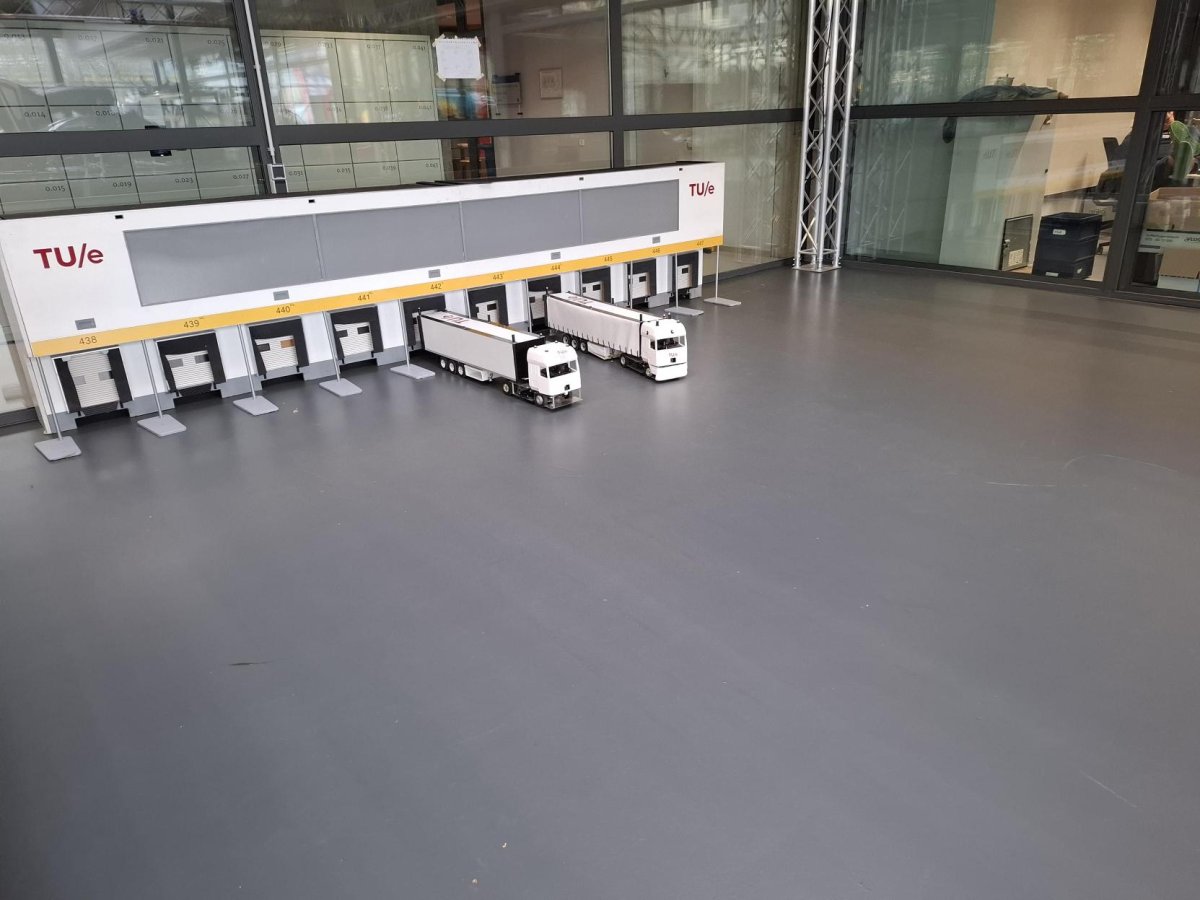
Simulation and Experiment Environment of Truck–Trailer System in Truck Lab
This thesis presents a systematic methodology for the development, validation, and implementation of simulation and experimental environments for a truck and a truck–trailer system based on kinematic vehicle models. The models are validated against experimental measurements obtained from the TU/e TruckLab platform, with identified steering actuator dynamics incorporated to improve the representation of the physical system. Based on these validated models, a simulation environment is developed for controller design and evaluation using predefined straight-line and circular reference trajectories and corresponding tracking-error definition. Following simulation-based verification, the controller can be transferred to the TruckLab experimental platform for experimental evaluation. The performance of different controller designs is evaluated and compared, and their limitations and potential sources of discrepancies between simulation and experiments are discussed. A user guide is also provided to facilitate the use of the developed simulation environment.
Trajectory-Based Co-Design of a GT–SOFC Hybrid Powertrain and Heat Exchanger for Minimizing Fuel Consumption
Additive Fractional Order System Identification

Semantic World Models for Multi-robot systems
Multi-robot systems are increasingly deployed in semi-structured environments such as warehouses and dairy farms, where robots must share space, and coordinate their motion in a robust, safe and scalable way. Model Predictive Control (MPC) provides a flexible framework for generating safe trajectories, but it scales poorly with the number of agents, struggles to represent discrete coordination decisions such as yielding, and depends on reliable and low latency inter-agent communication. This thesis proposes that the decision-making of mobile-robot teams in semi-structured environments can be made more robust and computationally tractable by introducing a shared world model that encodes both the spatial structure and geometry of the environment. By automatically configuring the constraints, objectives, and agent groupings of individual MPC controllers from this shared representation, the need for coupled global planning is reduced while safe and deadlock-free operation is maintained. Four contributions are presented in this thesis. Chapter 2 introduces a property-graph world model built from three map primitives, Areas, Boundaries and Interfaces, and a systematic mapping from these primitives to MPC constraints and objectives, allowing controllers to be reconfigured at runtime and agents to be dynamically grouped only when their semantic area horizons overlap. Chapter 3 adds a discrete claim policy on top of the continuous MPC layer that assigns access rights to areas, ensures deadlock-free operation, and enables task-dependent area occupancy constraints; the approach is validated in simulation and on physical robot hardware. Chapter 4 extends the framework to a distributed ADMM-MPC setting in which the world model selectively activates inter-agent coupling and yielding decisions. Chapter 5 closes the loop by deriving the required world models from Building Information Models using an intermediate representation and a sampling-based roadmap to recover navigable zones. Together, these chapters show that a shared semantic world model is able to configure MPC controllers at runtime, to decouple agent problems through discrete coordination, and to reduce computational and communication requirements compared to baseline methods, leading to multi-robot coordination that is more robust in execution, and configurable at runtime
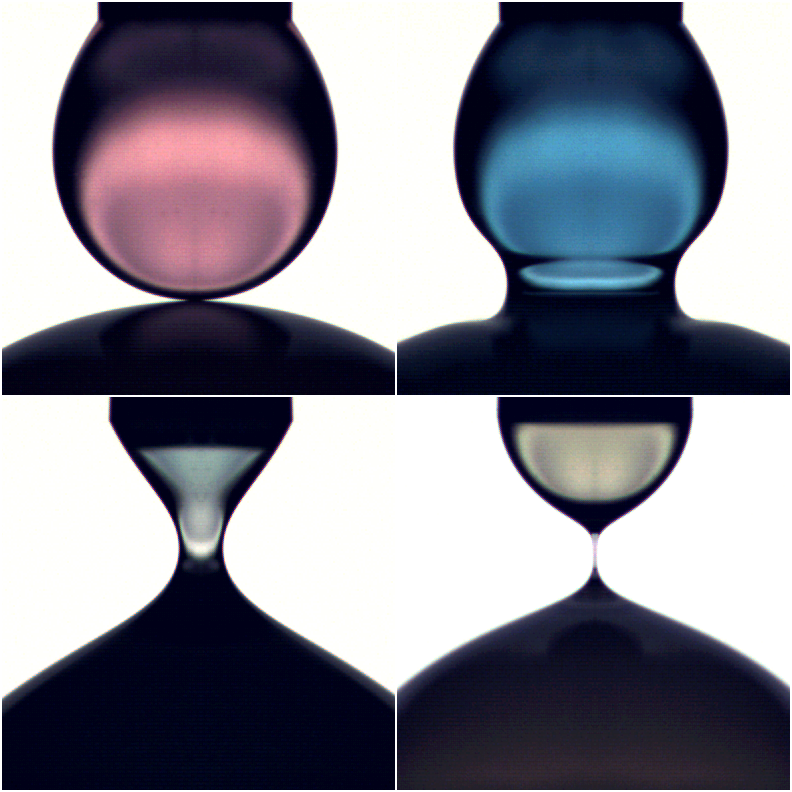
Dripping-onto-droplet capillary break-up
In general, Anselmo works on different topics in fluid mechanics/rheology, such as multiphase flows and interfacial problems, elastic and elasto-inertial turbulence, and the behaviour of elasto-viscoplastic materials, combining experiments+theory+simulations (https://cv.hal.science/anselmo-soeiro-pereira). He is also the head of the “Soft Matter Axis” at the CEMEF research institute and representative of the French Society of Rheology at the ESR.
Analysis of a Neuromorphic Controller: A Singularly Perturbed Hybrid Systems approach via Averaging
Rheometry with Non-Rheometric Flows
Novel industrial rheometric approaches will be introduced for measuring viscoelasticity of a liquid as well as viscosity in complex flow fields. Modeling schemes based on energy dissipation rate will be introduced to establish the relationship between macroscopic flow parameters (torque, pressure drop, rotational speed, flow rate, deflection angle, etc.) and rheometric variables (shear stress, shear rate, shear strain, viscosity, shear modulus, etc.). Starting from the general flow quantification method for both rotational and pressure-driven flows, several application problems will be discussed to measure the viscosity as a function of shear rate and more importantly to measure the viscoelasticity in both linear and non-linear regimes. Example flow fields for viscoelasticity include (1) agitator systems with impellers and a vessel, (2) a viscometer-like system (a rotating object in a liquid pool), (3) general pressure-driven pipe flows.
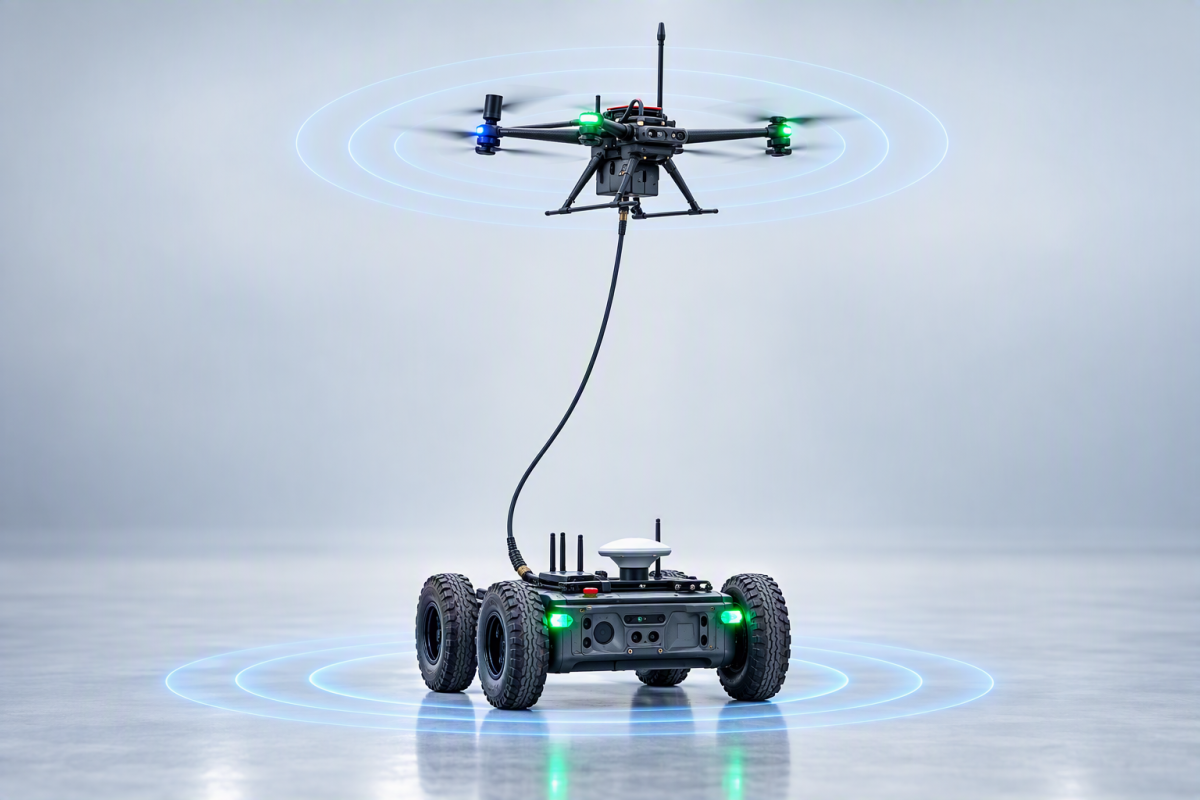
Safe planning for a tethered quadrotor-rover system under parametric uncertainty
Modeling of Electromagnetic Crosstalk in High-Precision Systems

Developing a self-bending kirigami structure driven by liquid crystal elastomers
Liquid crystal elastomers (LCEs) are promising smart materials capable of undergoing large anisotropic deformations in response to external stimuli. When exposed to heat, the material's microstructure transitions from an ordered to an isotropic state, resulting in shrinkage along the director and expansion in the perpendicular directions. Despite their potential, the practical implementation of LCEs remains challenging due to the complexity of predicting their mechanical behavior. This research investigates the design of thermally responsive LCE patches to induce controlled deformation in plastic kirigami structures. Kirigami, a Japanese art form, involves cutting and folding a flat sheet into a three-dimensional shape. The same principle can be applied to plastic foils containing embedded electronics to create deployable or shape-morphing devices. The study begins with the material characterization of both the LCE and the polyethylene naphthalate (PEN) substrate. Based on the obtained material properties, a finite element model of a kirigami structure consisting solely of PEN is developed and validated against experimental results. The resulting strain fields are subsequently used to determine the optimal placement and director orientation of the LCE patches. These patches are then incorporated into the numerical model to predict the resulting deformation and to provide insight into the required patch dimensions. The proposed design workflow enables the systematic determination of the placement, size, and director orientation of LCE patches on kirigami structures and is validated through a physical prototype. Although the prototype exhibited a lower-than-desired deformation, the experimental results showed good agreement with the simulation predictions, demonstrating the effectiveness of the proposed design approach.
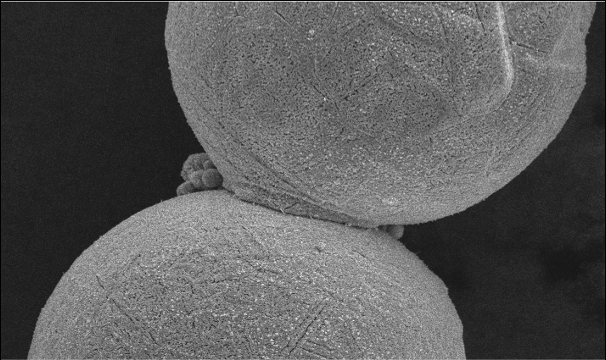
Effect of Metallization Degree on Cohesive and Disruptive Forces During Iron Oxide Reduction in Fluidized Beds
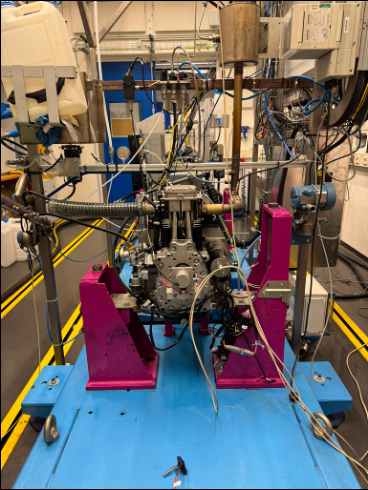
Emission reduction in CI engines using advanced combustion strategies with alternative fuels
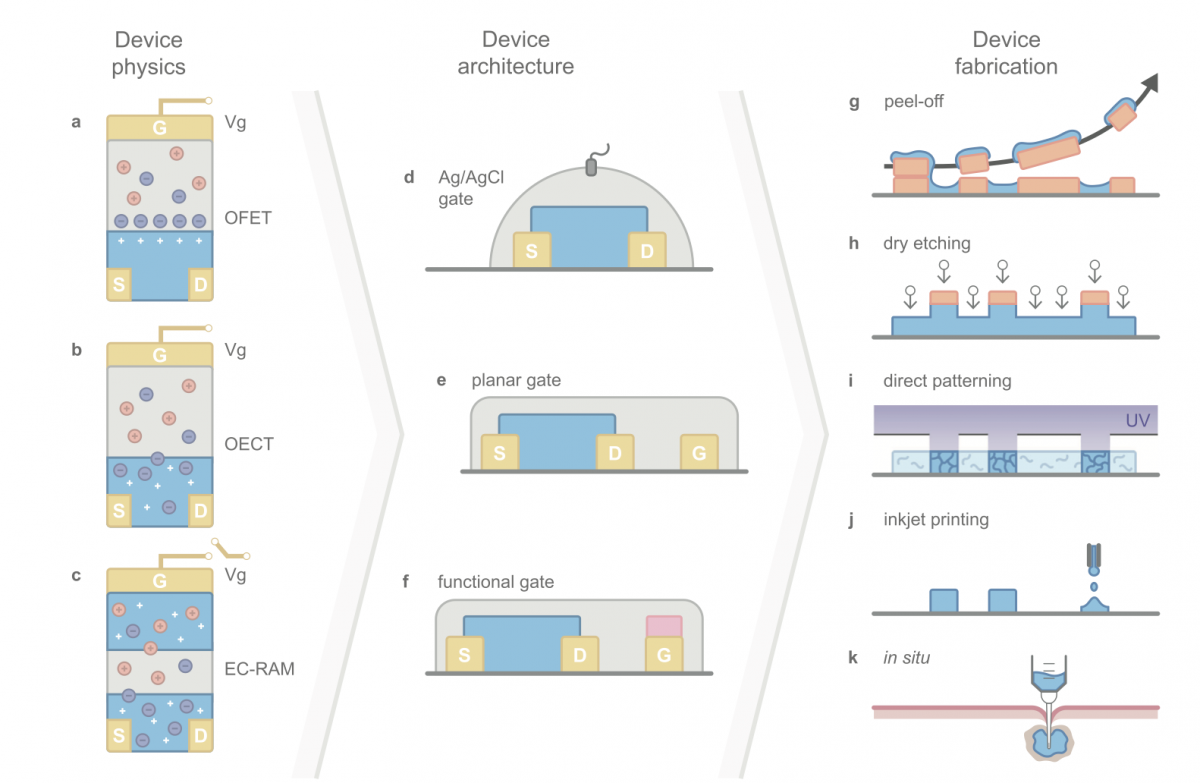
Monolithic processing of organic polymers for highly integrated circuits
In recent years, our society has become increasingly connected. At the same time, wearable technologies, such as smartwatches and health trackers, have rapidly evolved, making it possible to monitor a wide range of physiological and behavioral signals. As the demand for more detailed and meaningful health data grows, the devices that collect and process this information must also become more advanced. This often requires more complex sensors and computing systems, as well as the use of machine learning to identify patterns and combine different types of data. To make these technologies truly practical for everyday use, devices must be small, energy-efficient, flexible, and ideally able to interact directly with the human body. A promising class of materials for this purpose is known as organic mixed ionic-electronic conductors (OMIECs). These materials can transport both ionic and electronic charges, which is a unique and valuable property. Biological systems, such as the human body, primarily rely on ions to transmit signals, while conventional electronics rely on electrons. OMIECs provide a bridge between these two worlds, enabling more natural and effective communication between electronic devices and biological systems. Devices called organic electrochemical transistors (OECTs) can be made using OMIECs. These transistors are particularly well-suited for wearable and bioelectronic applications because they operate at low power and can be designed to mimic how the body processes and transmits information. By taking inspiration from biological systems, this approach, often referred to as neuromorphic sensing and computing, has the potential to improve how devices interact with the body. Despite these advantages, OMIECs present important challenges. Traditional manufacturing techniques used for electronic devices were developed for inorganic materials and are not well-suited for these organic materials. While alternative fabrication methods exist, they often struggle with consistency, scalability, or the ability to integrate multiple OMIEC materials into a single device, an important requirement for more advanced systems. In this thesis, new fabrication techniques are developed to address these limitations. The approach is based on direct photopatterning, a process in which ultraviolet (UV) light is used to define structures in a material. When exposed to UV light, the material undergoes a chemical reaction that makes it insoluble, while unexposed regions can be removed using a solvent. This method is compatible with widely used manufacturing processes and does not require specialized equipment. As a result, it enables the creation of reproducible and scalable device structures. Importantly, it also allows different OMIEC materials to be patterned on the same substrate without compromising their performance. Finally, this work explores how OECTs perform in biological environments, which is essential for their use in real-world applications. One application studied is the measurement of ion concentrations in sweat. This type of sensing can provide valuable information about a person’s physiological state without the need for invasive procedures such as blood sampling. In addition, the stability of these devices in biological conditions is investigated, as long-term reliability is critical for their future use. Overall, this research contributes to the development of more practical and reliable bioelectronic devices. By improving the methods used to manufacture them, it helps pave the way for the next generation of wearable technologies that can seamlessly interact with the human body.
Coupling Mechanics, Thermodynamics, and Transport in Interfacial Soft Materials
Most interfaces of natural, biomedical, and technological interest are formed by adsorbed compounds – such as proteins, polymers, lipids, or particles – that laterally interact, forming extensive microstructural networks that mechanically oppose flow and deformation. Aside from a surface tension, these so-called “complex interfaces” also exhibit a mechanical resistance to changes in area and shape, which bestow the interface with its own elastic and viscous properties. These mechanical properties can dictate the behavior of systems with large surface area to volume ratios (e.g., emulsions, foams, biological cells) and thin liquid films (e.g., tear film, lung surfactant film). In this seminar, I will first outline the fundamental principles and challenges in the field of interfacial rheology – namely, the coupling between thermodynamics, mechanics (rheology), and transport. I will then discuss the different experimental techniques available for characterizing complex interfaces and resolving this coupling, including those that are currently under development. Using illustrative examples from our research, I will demonstrate how interfacial rheology experiments are conducted, the types of quantitative data they provide, and how surface rheological properties can be tuned to optimize the function of complex interfacial systems.
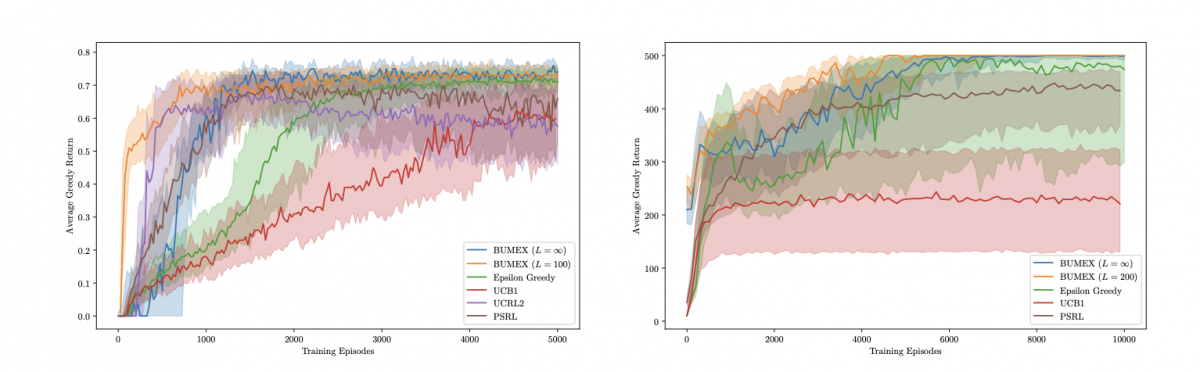
Learning-Based Calibration, Estimation and Stage Control for Electron Microscopy
How much can you learn from a handful of noisy images? For electron microscopes, the answer decides how sharp their images get and how steadily they can hold the object under study. An electron microscope can photograph individual atoms, an ability indispensable for new medicines, better batteries, and the chips in every phone. In the COVID-19 pandemic, electron microscopes revealed the structure of the spike protein within weeks and accelerated vaccine development. Yet these instruments cannot focus themselves. Keeping them sharp is the daily work of scarce, highly trained operators. The PhD research of Jilles van Hulst, at the Eindhoven University of Technology with microscope manufacturer Thermo Fisher Scientific, teaches the machines to do this themselves. Atomic resolution No microscope can show details smaller than the wavelength it uses, and visible light is thousands of times wider than an atom. Electrons offer a way out: a fast electron behaves as a quantum wave far smaller than an atom. If a light wave were stretched to the length of a football field, the electron wave would span just a few sheets of paper. Electrons are also electrically charged, so magnetic fields can act as lenses for them. However, a theorem from 1936 proves that these lenses always distort the image. Correctors have existed since 1998, but they add dozens of settings that drift and need constant retuning. Learning from a handful of images Retuning these settings is hard, and anyone who has focused an old camera by hand knows why. Looking at a single blurry photo, you cannot tell which way to turn the focus ring. Only once you turn it do you see where you were, and perfect focus is precisely the point where turning either way makes it worse. An electron microscope poses this puzzle not for one focus ring but for dozens of settings at once, and every image costs time and can damage the specimen. Van Hulst therefore trained artificial intelligence (AI) to get the most out of each image. The AI learns from a simulator, which can generate unlimited practice images, but a simulation is never exactly the real machine. So the full method also learns that difference during operation, from the few real images it collects. The symmetry of the blur around perfect focus is what pins that point down uniquely. The result is a microscope that calibrates itself in about twenty seconds, twice as accurately as the best automated methods. Standing still at the scale of atoms Seeing atoms also demands stillness. For a three-dimensional image, the specimen is tilted step by step while dozens of pictures are taken, and the point under study must stay in view. The stage carrying the specimen can move across millimeters, yet must hold the imaged point to within nanometers. The actuators that move the stage are imperfect, and no sensor measures where the specimen actually is. Van Hulst used the images that the microscope already records as the missing sensor. They reveal exactly how far the specimen has shifted, and a learning controller removes errors it has seen before. On an operational microscope this reached nanometer accuracy, up to ten times better than the existing approach. More knowledge from less data The common thread is a lesson from statistics: what you can learn from data depends on what you already know. Van Hulst therefore developed general mathematical methods that build known structure, such as physical laws, symmetries, and models of motion, into the learning itself, so that fewer measurements suffice. Together, these results bring the self-driving microscope closer. It tunes itself, holds its specimen steady, and collects data on its own, so that researchers can focus on the discoveries.
February 2026

Risk-based Motion Planning in Automated Vehicles
It is anticipated that there will be a long period where automated vehicles (AVs) and human road users share the same road network, with limited communication between them. As a result, AVs often operate with uncertain knowledge of their surroundings due to limitations in both sensing and estimation of the traffic scenario's current and future states. These limitations can be caused by factors such as noisy sensor data or lack of information about the intentions of other road users. Accounting for this uncertainty while designing motion planning and control algorithms for AVs is critical, as an AV may display hazardous behavior if it is overly confident in falsely estimated environment states or, contrarily, may act too cautiously when considering unnecessarily large safety margins in estimated states. Although safety regulations call for taking uncertainty into account, the right means to integrate uncertainty in motion planning has yet to be agreed upon. A promising way to account for uncertainty is through the concept of risk. Risk accounts for uncertainty in assessing safety by considering both the likelihood and severity of unsafe events, such as collisions. Research has shown that human drivers navigate traffic by trading off subjectively perceived risk against the potential rewards of reaching their destinations. Additionally, studies indicate that subjective risk tends to correlate with objective risk measures, while ethicists argue that risk can be used as a means to facilitate ethicality in road traffic by distributing risk fairly among road users. These relationships highlight the benefit of incorporating risk, as a proxy for uncertainty in safety, in motion planning algorithms. Incorporating risk in AV motion planning presents two main challenges. The first challenge is to develop a notion of risk that correctly incorporates an AV's uncertainty about the future motion of other road users, and that can be computed fast (and precisely) enough to be used in online (i.e., real-time) motion-planning algorithms. The second challenge is to develop an appropriate AV motion planning algorithm that incorporates risk and generates the desired AV behavior. This dissertation addresses both challenges by making five main contributions. First, we introduce an appropriate risk metric: the expected severity of a collision event. This metric, thus, is constituted of two terms, one accounting for the likelihood of a collision and another term considering the severity of a collision. Additionally, we investigate the AV behavior given optimization-based motion controllers that accommodate our risk metric. We find that a stochastic model predictive control (SMPC)-based motion planner adequately balances risk with travel efficiency in the presence of varying uncertainty. Second, to compute risk, we provide an computationally efficient (i.e., real-time computable) algorithm to estimate risk. Here, the focus lies on estimating the probability of collision (POC), as our risk metric reduces to a POC metric when the severity term is considered constant. Based on multi-circular shape approximations of the geometries of the AV and other road users, we present an algorithm that estimates the POC with good precision, and that is guaranteed not to under-approximate it. The algorithm is shown to execute significantly faster than standard Monte Carlo sampling. Further, we use the proposed algorithm within a SMPC-based motion planning strategy as a constraint and show that the SMPC generates smooth, reproducible trajectories while the controller deals with varying levels of uncertainty. Third, we extend our POC algorithm to risk estimation. Here, we propose a severity estimation method that allows us to consider different collision constellations, as literature shows that those are associated with different levels of harm to the passengers of vehicles. The resulting risk estimation algorithm leverages the advantages of the POC estimation algorithm, i.e., it is particularly suitable for optimization-based motion planning strategies, while allowing for the flexible integration of severity functions to represent different collision types. Fourth, we provide an extension of our risk metric to account for the risk from the individual perspective of each road user in the driving scene. Given a proposed SMPC-based motion planning strategy, our AVs behavior can be tuned such that it minimizes its own risk (egoistic perspective), the risk other road users face (altruistic perspective), and a balance of both (collective perspective). To evaluate safety and travel efficiency (i.e., reaching a desired destination in adequate time) for each of these risk metrics, we performed simulations on a database containing a wide variety of real-world and artificial traffic scenarios. The results show that a collective perspective balances the overall risk of all road users with the AV's travel efficiency in a favorable manner, and constitutes a suitable approach to facilitate ethicality in road traffic. Lastly, we use our proposed risk metric as part of the decision-making process on emergency maneuvers, i.e., emergency steering and emergency braking, for an AV designed to evade collisions with late-detected pedestrians. In simulations, we show that this metric outperforms deterministic risk estimation by choosing the appropriate evasive maneuver more frequently. In experimental testing, we verified the real-world applicability of this metric in an AV testbed designed for collision avoidance by having a pedestrian dummy walk out from a sight obstruction when the AV approaches. We find that risk is beneficial to deciding on accident avoidance maneuvers. The contributions introduced in this thesis show that risk, and thus uncertainty, can be systematically incorporated in AV algorithms for motion planning and decision-making. The proposed algorithms are computationally efficient for real-time optimization-based motion planning, navigating a fully automated vehicle smoothly through road traffic. Nevertheless, we also show that our risk metric is beneficial to the avoidance capabilities of low-automation safety systems. Furthermore, we show that risk-based AV behavior generation enables balancing the AV's interests in safety and travel efficiency for all road users, and thus, facilitates ethicality.