
Events
Colloquia, thesis defenses, symposia and departmental events at the Department of Mechanical Engineering.
October 2026
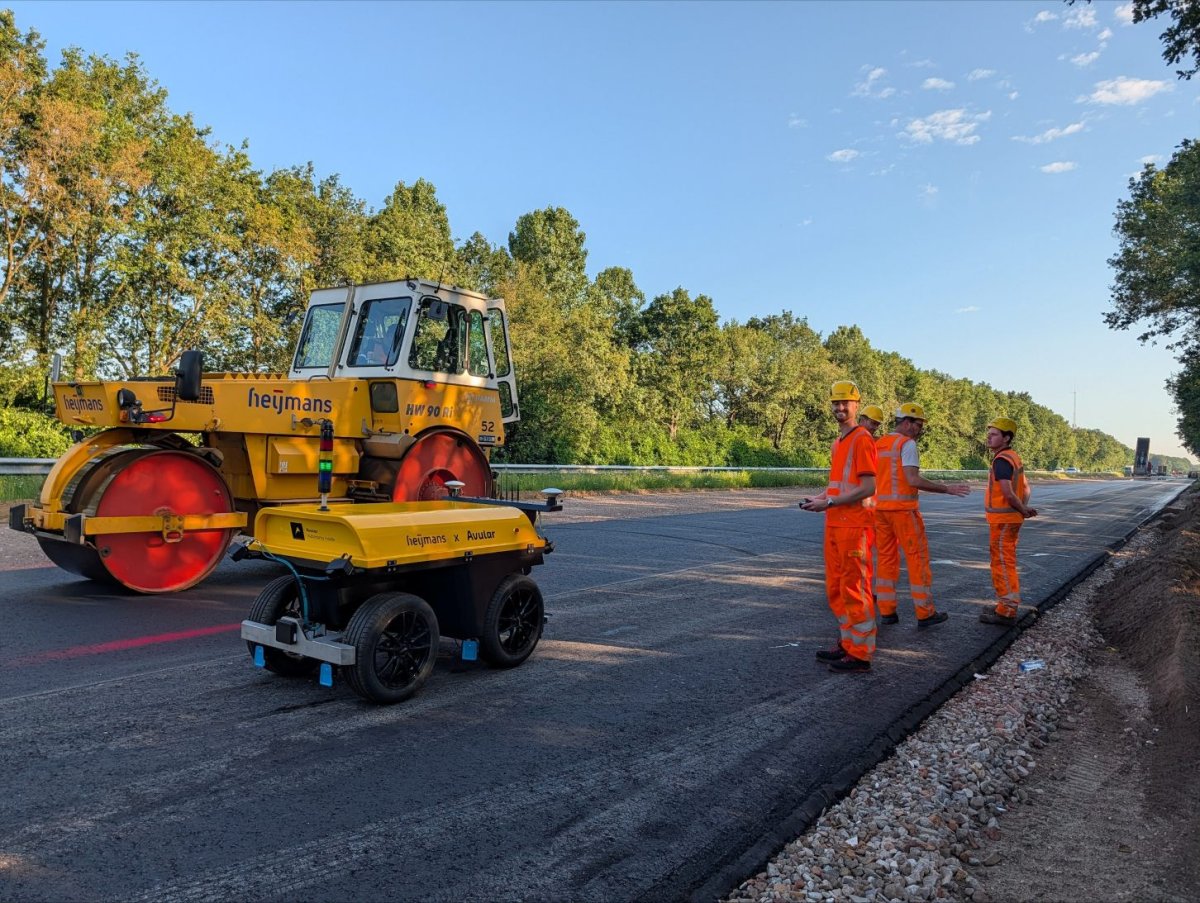
Development, Implementation, and Experimental Validation of a Model Predictive Controller for an Autonomous Road Roller
This thesis presents the development and experimental validation of a Model Predictive Controller (MPC) for autonomous road rollers. The controller aims to improve path-tracking accuracy while accounting for vehicle dynamics and actuator constraints. Its performance is evaluated through simulations and real-world experiments and compared with an existing Pure Pursuit controller. The results demonstrate the potential of MPC for accurate and reliable autonomous road compaction.
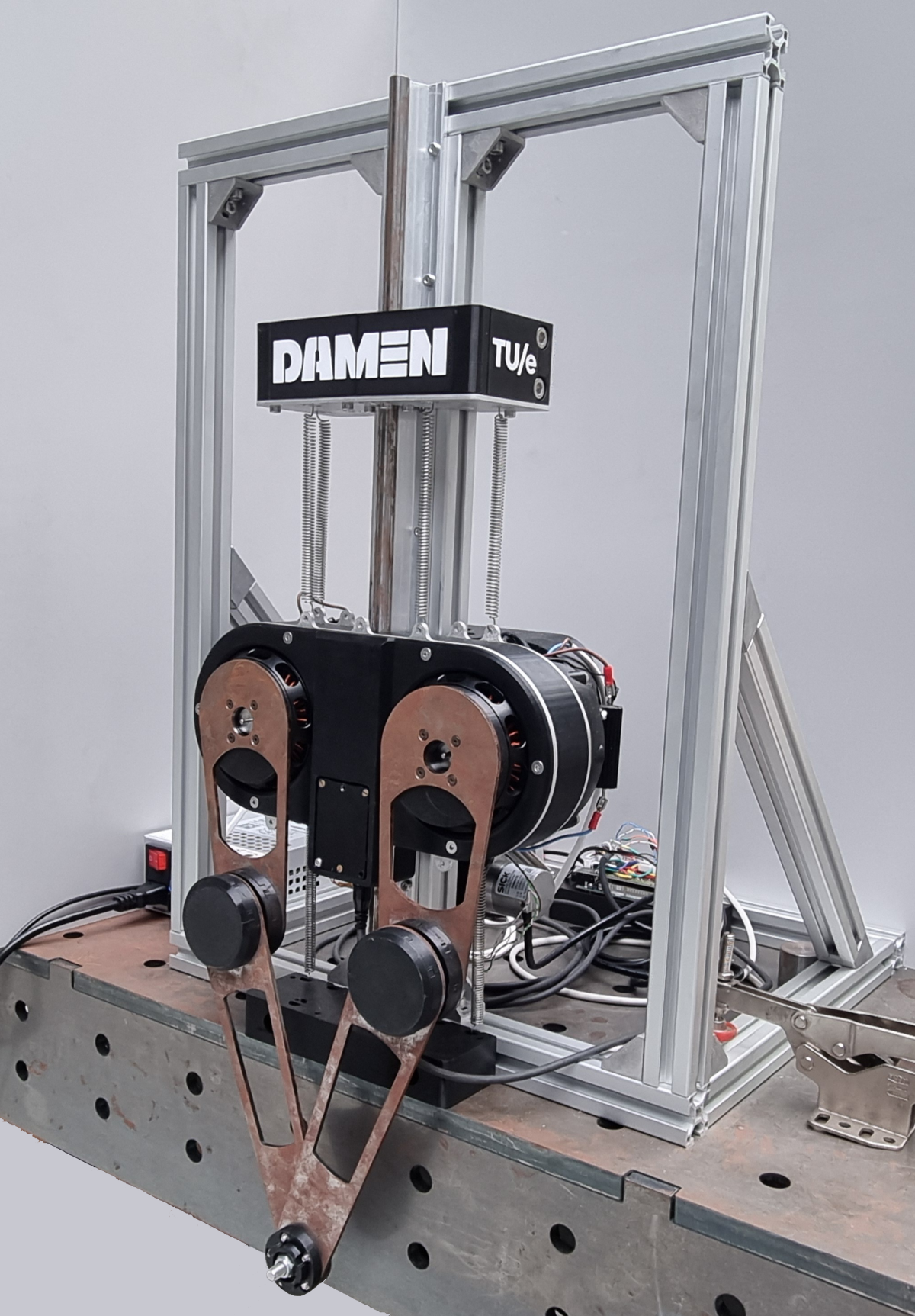
Motion and Vibration Control of a Robot on a Compliant Support
This thesis investigates control strategies for improving the accuracy of a welding robot mounted on a compliant support. The research is motivated by robotic welding applications in shipbuilding, where in the future robots can be positioned using boom-like structures. Vibration and movement of the support structure can however compromise welding accuracy. To study this problem, a five-bar robot with a single vertical compliant degree of freedom was developed as an experimental setup. Analytical modelling, multibody simulation, and physical experiments were used to examine the influence of mechanism mass, support stiffness, and trajectory duration. In this way, four control strategies were evaluated: encoder-based base-motion compensation, IMU-based acceleration feedforward, zero-vibration input shaping, and zero-delay input shaping. The results show that structural compliance increases world-frame tracking error, particularly when the commanded motion excites the dominant structural mode. Encoder-based compensation provides the most consistent improvement, while acceleration feedforward has a limited effect. Input shaping reduces vibration at the cost of increased movement time, whereas zero-delay input shaping preserved the original duration but is sensitive to operating conditions. Overall, the results show that tracking accuracy can be improved using the robot’s existing actuators, although the achievable improvement depends on the system dynamics, trajectory, control delay and sensors.
An Exactly Constrained Machine Architecture for Overlay Improvement in Large-Area Roll-to-Plate UV Nanoimprint Lithography

Equivariant Machine Learning for Simulation of Buckling in Mechanical Metamaterials
Mechanical metamaterials are materials with special properties such as tunable stiffness and negative Poisson’s ratio, resulting from their specially designed microstructure. Using structural instabilities like buckling, these materials can undergo controlled pattern transformations, making them suitable for applications in soft robotics and tunable sound attenuation. However, modelling, design, and optimization of such materials are limited by the high computational cost required to simulate these materials using conventional methods when deformations are large and there is buckling. To address these computational bottlenecks, this thesis splits into the following main four parts. 1. Accelerated Homogenization via SimEGNN First, SimEGNN (Similarity-Equivariant Graph Neural Network) is developed, which is a neural network that respects fundamental physical symmetries (Euclidean transformations, periodicity, and scaling). It predicts global quantities like strain energy density, stress and stiffness as well as the local deformation field in response to a macroscopic deformation gradient. It provides a high-fidelity alternative to traditional finite-element simulations. Quantitative results demonstrate that this architecture achieves superior data efficiency and provides order-of-magnitude speed-ups on a relevant test system (a microstructure with circular holes arranged in a square grid), making it a practical tool for rapid, iterative design. 2. A Dataset of Wallpaper Group-Based 2D Microstructures The development of robust surrogate models requires training data that reflects the full diversity of geometric possibilities. To this end, this thesis introduces a novel dataset of 1,020 high-quality 2D microstructures spanning all 17 wallpaper groups. These structures are generated via a periodic-graph "skeleton", used as a starting point to determine the shape and placement of holes parametrized by Bézier curves, ensuring connectivity. Each microstructure is simulated across multiple loading trajectories in the hyperelastic, finite-strain regime including buckling, providing a comprehensive resource for studying symmetry-property relationships such as auxeticity and mode multiplicity. 3. Equivariant Flow Matching for Bifurcation A fundamental challenge in modeling buckling metamaterials is multistability, where a single input can lead to multiple stable states. Because traditional deterministic machine learning models tend to average these outcomes into nonphysical predictions, this thesis introduces a probabilistic, equivariant flow-matching framework capable of capturing the full distribution of bifurcation outcomes. This framework is tested on various physical problems that show symmetry-breaking bifurcations. The framework ensures that the learned distributions respect the underlying physical symmetries of the system, even if individual outcomes break those symmetries. The models are trained more efficiently by utilizing symmetric coupling to find the optimal group-equivalent target for each sample. 4. An Integrated Pipeline for Deformation Distributions The final contribution of this thesis synthesizes the above three elements into a unified GNN and Flow-Matching pipeline. This integrated pipeline takes graph representations of metamaterials as input and generates entire distributions of deformation trajectories under mechanical loading as output. Temporal 1D U-Nets are incorporated to model long-range dependencies within these trajectories. The pipeline offers a powerful, end-to-end tool for predicting the complex, nonlinear behavior of mechanical metamaterials.
Compensating position-dependent imperfections at their physical origin: a data-driven framework for a 6-DOF infinite-rotation stage
Thermometry by laser-induced fluorescence of molecular oxygen in iron flames
Accurate combustion simulations are indispensable to further advance the development of metal fuels and these require validation through experimental data. Currently the particle temperature can be measured reliably, but this is only half of the story. The concept of laser-induced fluorescence of molecular oxygen is therefore investigated to measure the other half: the temperature of the gas. This is not trivial, since excitation requires light in the deep ultraviolet (190 – 210 nm) and metal particles reflect laser light very efficiently, which obstructs part of the fluorescence signal. In this work, the operation and performance of the diagnostic technique is examined and improved, and it is investigated how measurements can be performed in iron flames effectively.
Remnant Control for High-Precision Piezo-Actuated Positioning Systems
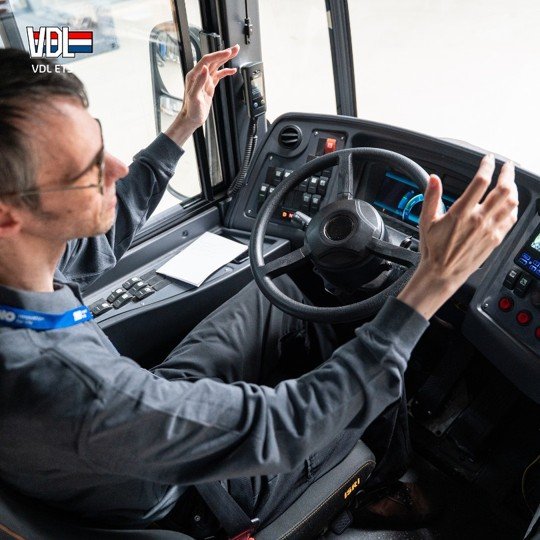
Ego Trajectory Prediction for Autonomous Vehicles Using a Dynamics-Residual Hybrid Model
This work presents a hybrid trajectory prediction model for autonomous buses, in a yard-manoeuvring use case (<15 km/h). A hybrid residual model (HM) is used, where an analytical model (AM) is combined with a data-driven model (DM), in this case an LSTM. In this method, the AM provides an initial estimate of the bus's yaw rate and lateral velocity, and a DM learns to correct the residual error of that estimate. A high-fidelity multi-body simulation is used as ground truth for training, where it is excited using a random-phase multisine. The HM's objective function includes both velocities and position, thereby encouraging both physically plausible and accurate trajectories. Additionally, two differing complexities of AMs are used to investigate whether a more complex AM lets the HM predict trajectories more accurately. Over 10 separate training runs, numerical results show that the HM is 94 % more accurate than both baseline AMs in an unseen test-set, and that the different complexities in AMs do not make a significant difference in absolute accuracy. The HM using the more complex AM is found to have larger training-validation gap compared to the HM with the less complex AM.

Why do iron particles fail to burn? Numerical investigations into the interaction of turbulence and iron powder combustion
Industrial iron powder combustors represent a highly promising carbon-free renewable energy technology, but their practical application is frequently hindered by combustion inefficiency, specifically the presence of unoxidized particles. To understand if such flames can be self-sustaining, an investigation into the observed inefficiency is necessary. This investigation hinges on two fundamental questions: 1. Can all particles be ignited in the first place? 2. If particles are successfully ignited, can they quench midway through their combustion? In real combustors, the flow is inherently turbulent, which drives the fluid dynamic phenomenon of preferential concentration. This phenomenon results in particle clustering, which could have a detrimental effect on the combustion process. In order to understand precisely how preferential concentration affects the overall combustion of the particles and to deduce whether turbulence interaction could be an answer to the posed questions, a dedicated numerical framework to simulate turbulent, particle-laden iron flames is developed. The framework is based on a two-way coupled Eulerian-Lagrangian approach, tracking the iron particles with the point-particle assumption and employing the “switch-type” kinetics from the oxide-layer model by Mi et al. to model particle reactions. This framework is implemented in the high-fidelity solver NTMIX-CHEMKIN to perform robust Direct-Numerical-Simulations (DNS) and in the commercially-available OpenFOAM to test large-scale capabilities with Large-Eddy-Simulations (LES). Using this framework, iron particle combustion in a Homogeneous Isotropic Turbulence (HIT) field is first analyzed using DNS [3]. The results demonstrated that preferential concentration causes massive localized oxygen depletion, which can elongate particle burn times by up to eight times compared to isolated particles. However, the most critical message from this study is that although the combustion time is significantly elongated by clustering, the flame does not quench; the particles smoothly complete their oxidation. This behavior is further confirmed by the DNS of a turbulent mixing layer, which also showed the extension of combustion time and underscored the critical importance of oxygen depletion in particle-dense regions. The mixing layer study additionally revealed that while small particles (under 20 μm) maintain the laminar structure of the flow, larger particles (over 28 μm) possess the momentum to actively perturb the mixing layer and induce turbulent-like behavior. Because particles do not quench once ignited, the primary focus for solving combustion inefficiency should be strictly on the ignition phase of the combustion process. Experimental results from pilot burners, such as those analyzed by Niek van Rooij and Jesse Hameete, highlight that iron particles can completely fail to ignite, possibly due to the gradual growth of the oxide layer and subsequent hindering effects on ignition. Hence, accurately predicting ignition becomes the most vital part of the numerical modeling of turbulent iron flames. The jet-in-hot-coflow burner developed by Jesse Hameete is numerically modeled as LES in OpenFOAM. Two distinct reaction models—the first-order Damköhler model and the oxide-layer model—are compared against experimental data. Ultimately, neither numerical model is currently able to perfectly capture the observed ignition behavior. While the first-order model overpredicts ignition percentages, the oxide-layer model exhibits the same trend in percentages as seen in the experimental results, albeit with a substantial error in critical temperature. However, this study confirmed that particles do not partially oxidize in such large-scale flames; rather, they fail to ignite. Can preferential concentration enhance ignition? A numerical study on ignition in three-dimensional spherical suspensions shows that a clustered particle distribution has a substantially lower ignition temperature than a random Poisson distribution in space. Hence, partial clustering before particle injection could lead to better ignition in large-scale combustors. Ultimately, this research establishes that the combustion inefficiency in industrial turbulent iron flames is primarily a failure of ignition rather than mid-combustion quenching. While preferential concentration significantly delays oxidation through localized oxygen depletion, it does not inherently extinguish ignited particles; conversely, clustering may actually lower the thermal threshold required for initial ignition. These findings shift the paradigm for optimizer strategies toward the pre-ignition phase. Future research must bridge the gap between current kinetic models and experimental reality, specifically investigating how multi-stage turbulent mixing dynamics can be leveraged to optimize combustion efficiency and improve the overall performance of large-scale iron powder combustors.
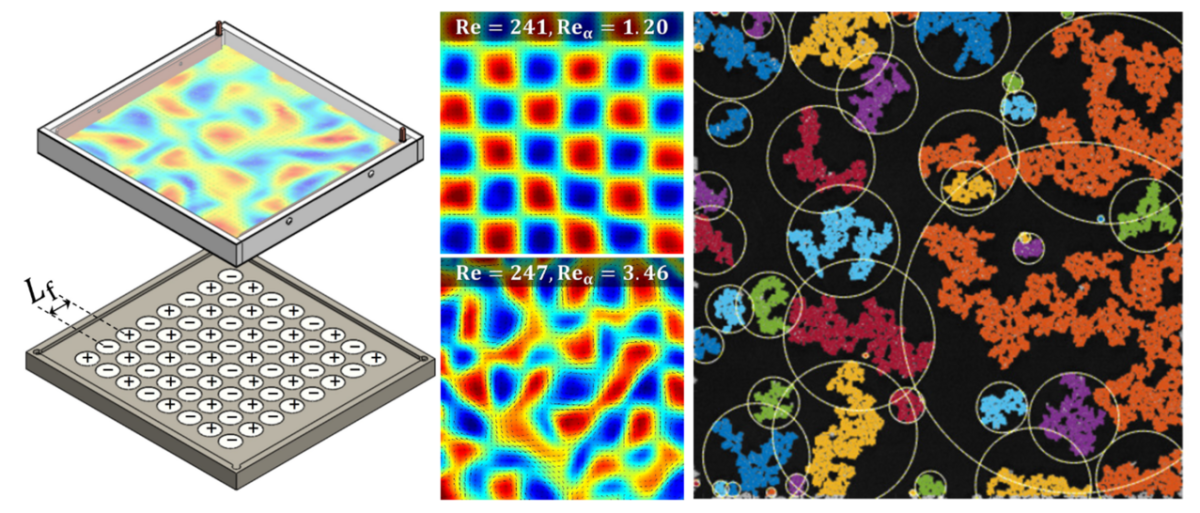
BurgersTour/ME lecture: Floating on Turbulence
From marine litter to ice floes, natural bodies of water are often populated with floating objects spanning vast ranges of size, shape, and concentration. Predicting their behaviour requires understanding how turbulent water motion is altered by the presence of the free surface, and how the underlying turbulence influences the interfacial dynamics between the surface and the floating objects, as well as among interacting floaters. Even in the seemingly simple case where surface waves are negligible, the problem is rich in fascinating phenomena. This seminar presents a series of experiments conducted in flow facilities large and small, in which marginally buoyant particles (millimetric to centimetric, round and irregular, solid and deformable) float on turbulent water. For simplicity, the focus is primarily on two opposite limits. First, a dilute suspension of non-interacting discs significantly larger than the dissipative scales of turbulence is considered. These discs exhibit translational and rotational motions dictated by the local flow, coarse-grained at the scale of the particle. Second, dense suspensions of smaller spherical particles are considered. These form multiscale, percolating clusters bound by capillary forces, whose dynamics is well described by a population-balance framework. Finally, the seminar provides insights into the profoundly different behaviour exhibited by floating rods and oil droplets. Filippo Coletti is Professor of Experimental Fluid Dynamics at ETH Zurich, where he has been since 2020. Previously, he was McKnight Land-Grant Professor of Aerospace Engineering and Mechanics at the University of Minnesota, which he joined in 2014. He completed his doctoral studies at the Von Karman Institute for Fluid Dynamics and the University of Stuttgart, earning his PhD in 2010. He was subsequently a postdoctoral fellow at Stanford University from 2011 to 2013. He received the CAREER Award from the U.S. National Science Foundation in 2015 and an ERC Consolidator Grant from the European Research Council in 2022. He is a Fellow of the American Physical Society and an Associate Editor of the Journal of Fluid Mechanics. He founded and co-organizes the Fluid Mechanics Tour of the Alps, an itinerant seminar series featuring leading researchers in fluid mechanics. His research focuses on multiphase flows, which he investigates using a wide range of experimental techniques, with applications in environmental, biomedical, and industrial systems.
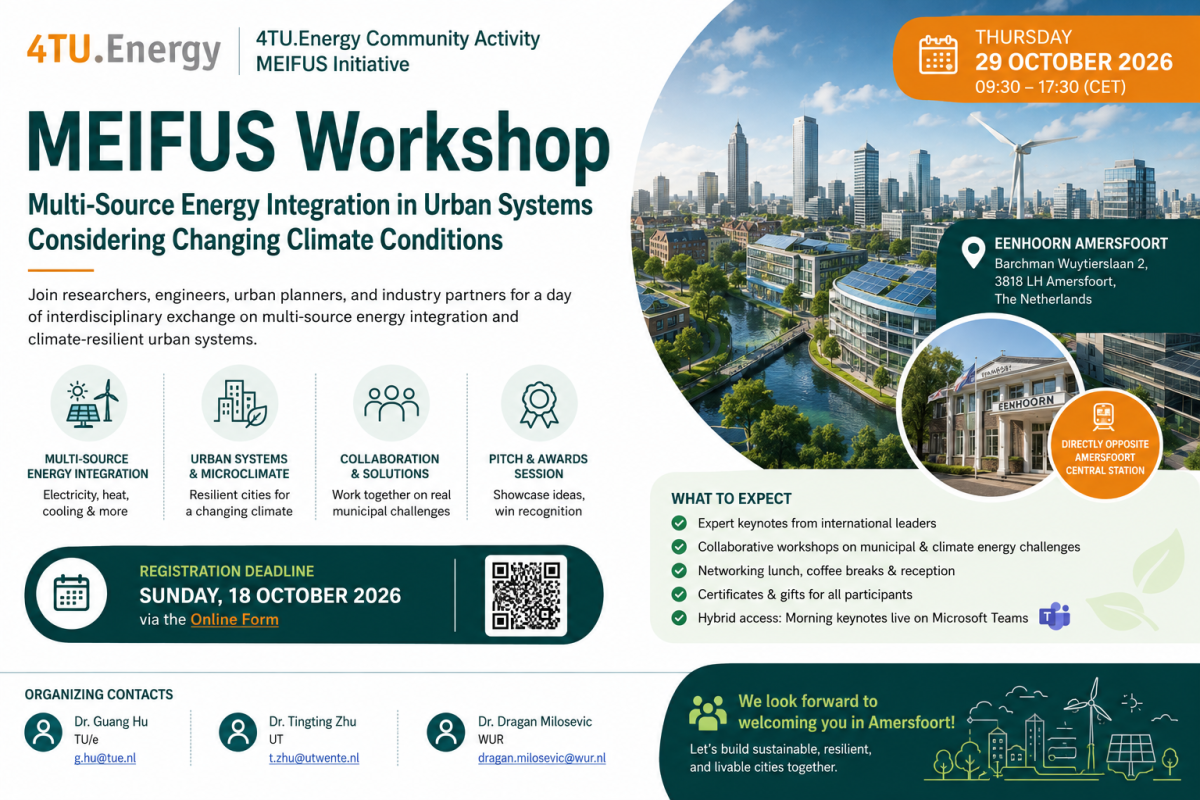
4TU.Energy Community Activity Meifus Initiative
Join researchers, engineers, urban planners and industry partners for a day of interdisciplinary exchange on multi-source energy integration and climate-resilient urban systems.
November 2026
PhD Course “System, Sustainability and Societal Aspects in the Energy Transition” 2-3 November 2026
Dear PhD students, We are pleased to invite you to the 4TU.Energy PhD Course “System, Sustainability and Societal Aspects in the Energy Transition”, taking place on 2–3 November 2026 at Bar Beton, Utrecht Central. What to expect • Pitch your Research opportunity • 2 days including 3 sessions covering different perspectives on the energy transition • Opportunities to exchange ideas and expand your network within 4TU+ • Certificate with learning hours provided Maximum 50 participants (FULL=FULL) Please note that registration for the PhD course and pitch training is separate. You are welcome to register for either activity or both.

A deformable wafer table for semiconductor lithography
For the past decades, the semiconductor industry has mainly focused on decreasing the feature size on inte-grated circuits. The number of transistors that can be fitted on an integrated circuit doubles roughly every 18-24 months, referred to as Moore's law. By using state-of-the-art extreme ultraviolet (EUV) photolithog-raphy machines, the achievable critical dimension (e.g., gate length or linewidth) on integrated circuits is currently approximately 10-20nm. As the demand for efficient computing power is expected to continue to grow, and further 2D miniaturization becoming increasingly challenging, the semiconductor industry is now looking to vertical integration: effectively stacking more functional layers to build up a 3D integrated circuit. This places new requirements on photolithography machines. In these systems, thin silicon substrates, called wafers, are exposed with ultraviolet light to create the features that make up an integrated circuit. The deposition and processing of preceding layers cumulatively introduce stress into the wafer. The resulting deformations can accumulate to over a millimeter of out-of-plane warpage of the wafer. When clamping a warped wafer on a wafer table, these out-of-plane deformations lead to in-plane deformations, due to fric-tion and slip between the wafer and wafer table, as well as the resulting wear of the wafer table. This leads to misalignment between consecutive layers, known as overlay errors. To address these issues, a conceptual design for a piezoelectric deformable wafer table is presented. Two applications are identified. First, to mitigate the effects of clamping a highly warped wafer onto a flat wafer table, the concept of conformal wafer loading is introduced. To minimize slip between the wafer and wafer table during wafer load, the wafer table is actuated conformal to the wafer, prior to clamping the wafer. By actuating the wafer table along the neutral bending plane of the wafer, the wafer can be flattened without introducing relative motion between the wafer and wafer table. Secondly, overlay and focus errors can be reduced using intra-field corrections. During exposure, the wafer can be locally deformed to match the aerial image projected by the optical system, which compensates for both remaining deformations in the wafer, as well as optical aberrations. A design for a deformable wafer table is presented based on a multilayered piezoelectric actuator, on top of which a glass-ceramic wafer clamp is placed. For both conformal wafer loading and intra-field corrections, it is necessary to independently actuate in-plane strain across two orthogonal axes, in-plane shear strain, cur-vature across two orthogonal axes, and finally a twisting curvature. This is accomplished by stacking six pie-zoelectric layers, each of which can generate piezoelectric strain in a specific in-plane direction. Two embod-iments are analyzed: first, a design based on monolithically sintering ceramic lead-zirconate-titanate (PZT), to which an in-plane electric field can be applied using embedded interdigitated electrodes (IDEs); secondly, a design based on stacked monocrystalline lithium niobate (LN) wafers with planar electrodes, where the in-plane strain is obtained through a favorable crystal orientation. Key aspects of this design such as the layer thickness, electrode dimensions, and material orientation are optimized using a lightweight mathematical plate model. By combining this model with a finite element unit cell simulation, the microscopic deformations around the interdigitated electrodes could be scaled to the macroscopic deformation of the deformable wafer table. Using this method, the PZT and LN concepts were compared, and found to yield similar performance. While PZT has a higher piezoelectric coefficient, the ma-terial away from the IDEs does not efficiently contribute to generating strain. The low piezoelectric coeffi-cient of LN is largely compensated by the much higher coercive field, and all material between the planar electrodes is efficiently used. By splitting the wafer table actuator into segments, actuation at higher spatial frequencies is facilitated. This will increase both the conformal wafer loading performance, by reducing the mismatch between wafer and wafer table shape, as well as the intra-field correction performance by enabling higher-order corrections. The actuator influence functions of the segments are calculated using a finite element model, leveraging shell elements for computational efficiency. To characterize the different segmentations, two methods are pre-sented. The first is based on using an intermediate orthogonal decomposition of the solution space, and evaluating how well the actuator system can approximate the most relevant modes from this decomposi-tion. For this method, Zernike and Legendre polynomials are used for evaluating conformal wafer loading and intra-field corrections respectively. The second method is based on taking the singular value decomposi-tion of the reachable actuator space, and optionally combining the associated singular values into a perfor-mance measure. For the requirements set in this thesis, a 61-element hexagonal segmentation resulted in a good balance between performance and complexity. For both the PZT- and the LN-based design, a prototype was developed. For the PZT concept, multiple itera-tions were produced, based on tape casting PZT sheets and screen printing the interdigitated electrodes, followed by binder burnout, sintering and poling. However, the binder burnout proved difficult to control, resulting in repeated failures. It is hypothesized that a better process control of the tape casting and screen printing could improve the probability of success. Next, an LN-based prototype was produced using com-mercially available off-the-shelf LN wafers, with sputtered electrodes connected through brass foil spacers. This prototype demonstrated the feasibility of independently actuating curvature and in-plane strain, as well as achieving large deformations using the presented actuator concept. In conclusion, a design for a deformable wafer table was presented, which enables both conformal wafer loading and intra-field corrections. By stacking six piezoelectric layers, three in-plane strain and three curva-ture components can be independently actuated. Two types of piezoelectric layers were investigated, and their dimensions optimized for maximum curvature. First, ceramic lead-zirconate-titanate (PZT) can be sin-tered with embedded interdigitated electrodes which are used for both poling and actuating the layers. Sec-ondly, monocrystalline lithium niobate (LN) wafers can be stacked, separated by planar electrodes to actuate the layers. Although PZT has a high piezoelectric coefficient, the material is utilized less efficiently with the interdigitated electrodes, and manufacturing a prototype proved very difficult. In contrast, the crystal orien-tation of LN can be tuned for maximal performance, and the actuator concept was proven with a prototype made from commercially available LN wafers. To increase the spatial resolution of the deformable wafer table, a segmented design was analyzed, with a hexagonal 61-element segmentation providing an optimal balance between complexity and performance.

Social deduction & puzzle game: Blood on the Clocktower
Can you outsmart everyone else? Join us for a game of Blood on the Clocktower! We will start with explaining the rules and the game, so everyone can join. Diner at Happie040 before the activity is optional. When subscribing, make sure to use your TU/e email!

World Modelling and Decision-Making for Robots in Precision Agriculture
This thesis investigates world modelling and decision-making for autonomous robotic systems operating in precision agriculture under uncertainty and resource constraints. It contains four main contributions, spanning both theoretical developments and practical robotic applications. The first contribution addresses decision-making under costly sensing and actuation within a partially observable Markov decision process (POMDP) framework. The problem of when to sample and actuate is formulated as a stopping-time problem, capturing the trade-off between state-dependent costs and intervention frequency. Due to the intractability of optimal solutions, approximate methods based on relaxed dynamic programming and event-triggered control are developed, providing performance guarantees. In addition, a modified relaxed dynamic programming framework is introduced to explicitly bound the complexity, while still providing performance guarantees, designed through value function approximations and optimization via linear matrix inequalities. The second contribution considers selective harvesting of delicate crops, such as table grapes, under uncertainty. A method is presented that integrates multi-view mapping and tracking to improve the quality of crop information, together with a recursive decision-making algorithm based on graphs containing reachability dependencies between the products to optimize the harvesting order with respect to both product quality and execution time. The third contribution focuses on semantic world modeling for agricultural robots. A framework is developed that combines probabilistic object mapping with graph-based simultaneous localization and mapping (SLAM), enabling the construction of semantically rich maps while maintaining accurate localization without relying solely on GPS. Detected plant properties, such as semantic attributes including type and size, not only enrich the resulting map but are also used to improve data association. The fourth contribution explores autonomous mechanical weeding using a small, legged robotic platform. A system is developed that leverages the mobility of a quadruped robot equipped with a custom end-effector, enabling precise weed removal while reducing soil compaction. The proposed approach is supported by an integrated software architecture and evaluated in both indoor and outdoor environments. Overall, the thesis provides a perspective on uncertainty-aware world modeling and decision-making, demonstrating how theoretical methods and robotic system design can be combined to address key challenges in precision agriculture.

Adaptive Differentiating Filter: a solution to the sensitivity trade-off
Abstract: In many control and process monitoring applications, one needs to estimate the derivative of a signal. Standard differentiating filters commonly suffer from the trade-off: reducing the filter bandwidth to improve noise sensitivity also reduces it for the useful signal, leading to smoothed-out high-frequency peaks of the useful signal. In this talk, we present the Adaptive Differentiating Filter (ADF) – a causal real-time filter which solves this trade-off problem. It demonstrates low sensitivity to low-amplitude/high frequency measurement noise, while preserving a wide bandwidth for large-amplitude changes in the process signal. The presentation discusses and demonstrates the filter's favourable performance properties in two practical case-studies: 1) a PID feedback controller for a mechatronic application and 2) monitoring of industrial process signals. It also compares it experimentally with a standard linear low-pass filter-based differentiator and a state-of-the-art robust sliding-mode-based homogeneous differentiator. Bio: Alexey Pavlov obtained his M.Sc. degree (cum laude) in Applied Mathematics from St. Petersburg State University, Russia, and Ph.D. degree in Mechanical Engineering from Eindhoven University of Technology, The Netherlands in 1998 and 2004, respectively. Currently, he holds a full professor position at the Department of Geosciences of the Norwegian University of Science and Technology (NTNU). Prior to that, he held various academic and industrial positions at the Institute for Problems of Mechanical Engineering, Russia (1999), Ford Research Laboratory, USA (2000), Eindhoven University of Technology (2005), NTNU (2005–2009), Equinor Research Centre, Norway (2009–2016). He published the book ’Uniform Output Regulation of Nonlinear Systems: A convergent Dynamics Approach’ with N. van de Wouw and H. Nijmeijer (Birkhauser, 2005). Alexey received the IEEE Control Systems Technology Award (2015) ‘‘For the development and application of variable-gain control techniques for high-performance motion systems’’ (together with M. Heertjes, H. Nijmeijer and N. van de Wouw), and the IFAC World Congress Best Application Paper Award (2011) for the work ‘‘Drilling seeking automatic control solutions”. His inventions within automatic optimization are implemented and used in several offshore fields. His current research interests include control of nonlinear systems, control and optimization of highly uncertain systems, automation and digitalization in the energy industry and various industrial applications of automatic control and optimization.
Feasible topology generation and exloration for production systems
5th Future of Energy Business Course 2026 (deadline registration
In 3 workshops (topics on Scenarios, Hard to abate sectors, New solutions, and Future work) at the Deloitte offices in Amsterdam and Rotterdam, you will gain an understanding of the business perspective of the energy transition. You will actively participate in an exciting program that covers transitioning existing large-scale industries but also drives the development of new, innovative ideas that need your help to accelerate. Introduction: 9 November 12:00-13:30 – Online Session 1: 12 November 9:00-13:00 – Amsterdam office Session 2: 19 November 9:00- 13:00 – Rotterdam office Session 3: 26 November 13:00 - 17:00 - Amsterdam office Closing session: 03 December 13:00 -17:00 (and drinks afterwards) – Amsterdam office Application and selection: We ask you to share your Curriculum Vitae and a 200-word motivation, on what you hope to gain from the program as well as an idea that can attribute to the future of energy. ~40 applicants will be selected to participate, on which you will be notified latest October 30th. Application deadline: October 25th.

Actuation & Sensing Modules for Standardized Organ-on-Chip Platforms
Organ-on-chip (OoC) platforms are advanced cell culture systems that can emulate human tissues and diseases for mechanistic studies, potentially conducive to improved drug development and personalized therapy guidance. These platforms provide a representative tissue microenvironment including microfluidic perfusion and controlled mechanical stimulation to synthetically replicate in vivo-like conditions that static in vitro models cannot provide. This is particularly relevant for barrier tissues, where function is tied directly to flow, transport dynamics, and integrity of cell layers. Translating OoC technology into routine laboratory practice requires platforms that are not only biologically relevant but also modular in design, compatible with standardized formats, and capable of continuous functional readout. This thesis contributes to realizing such a platform through the development of three technical modules with integrated functionalities tailored for perfusion and electrical barrier sensing, each designed for biological, mechanical and electrical compatibility with an ISO-compatible OoC platform. The first module introduces magnetic artificial cilia (MAC) as a tubeless on-chip micropumping mechanism. Flexible magnetic elastomeric cilia integrated in a microfluidic chip perform tilted conical motion when driven by an external rotating permanent magnet, and this motion generates net fluid displacement at low Reynolds number. Prior work has demonstrated MAC-driven fluid pumping in closed microfluidic loops. Here, the mechanism is adopted within a MAC module and characterized within a standardized OoC platform, achieving flow rates of up to 40 uL/min across a range of hydraulic loads, tunable through actuation frequency. A key result is the continuous circulation of human monocytes at actuation frequencies up to 100 Hz. Cell viability and cytokine secretion profiles remain statistically comparable to static controls, proving that the gentle nature of MAC actuation is compatible with circulating mechanically sensitive cells in suspension. The second module targets transepithelial electrical resistance (TEER) measurement, the standard label-free metric for tight-junction integrity in epithelial and endothelial barriers. A silicon-microfabricated sensor chip with titanium nitride electrodes patterned on slanted sidewalls, combined with a silicon nitride microporous membrane, implements four-electrode impedance spectroscopy with a geometry designed to achieve uniform current distribution across the cell layer. Reusable packaging with magnetic clamping and leak-free microfluidic interconnects allows repeated disassembly and assembly of the module without loss of measurement integrity. Electrode functionality and stability is confirmed over multi-day culture periods, providing the performance baseline needed for the module to serve as reliable sensor in standardized barrier assays. The third module uses organic electrochemical transistors (OECTs) for continuous barrier monitoring under perfusion. OECTs amplify the ionic signal from the cell layer through volumetric electrochemical doping of the transistor channel, offering a sensitivity advantage over passive impedance measurements at physiologically relevant signal levels. Photo-patterned PEDOT:PSS and p(g2T-TT) channels are evaluated, and gate configurations are systematically compared. A separated Ag/AgCl gate compartment coupled through a poly(vinyl alcohol)/KCl salt bridge is identified as the most suitable configuration, decoupling gate polarization and decreasing silver leaching into the cell culture medium. Integrated on the standardized platform, the OECT module can track Caco-2 tight-junction formation continuously and it can resolve pharmacological disruption of the barrier in real time. The work presented in this thesis demonstrates that actuation and sensing functions can be realized as modular, independently characterized units within a single ISO-compatible platform. Together, the three modules provide controlled tubeless perfusion and cell circulation, continuous impedance-based barrier monitoring, and transistor-based sensing with stable performance under fluid flow. More broadly, this thesis shows how these functions can be combined within a shared standardized framework, providing a foundation for reproducible and scalable OoC workflows in circulating cells and barrier tissue research.

A physics-based model order reduction framework for nonlinear contact problems
In many engineering applications, Finite Element (FE) models are vital for simulating real-world phenomena. However, resolving complex geometries or capturing nonlinear behaviour often makes these FE models computationally expensive. This challenge is particularly critical in scenarios that require repeated simulations, such as design optimisation, parametric studies, or uncertainty quantification. In cases such as digital twin applications, near-real-time simulations are needed, further increasing the computational burden. Model Order Reduction (MOR) techniques aim to address these challenges by reducing the dimensionality of the original Full Order Model (FOM), thereby producing a Reduced Order Model (ROM) that is significantly smaller and computationally more efficient, while retaining the core physics of the FOM. Most conventional MOR techniques are data-driven. The most widely used among them, Proper Orthogonal Decomposition (POD), depends on the simulation data of the very FOM it seeks to reduce. While effective for interpolation within the well-sampled parameter space, POD is generally unreliable for extrapolation to unseen parameter ranges. As an alternative, the primary objective of this thesis is to develop a physics-based MOR framework that does not rely on any training data. The proposed approach utilises Modal Derivatives (MDs), which are the first-order derivatives of vibration modes, and has been demonstrated to capture nonlinear behaviour within a reduced-order basis. In this thesis, this framework is adapted to address quasi-static geometrically nonlinear solid mechanics and unilateral finite deformation contact problems. Initially, in Chapter 2, the concept of MDs is explained in detail and applied to quasi-static geometrically nonlinear problems. To ensure an orthogonal projection and, in turn, numerical stability of the reduction, these MDs are orthogonalised using the modified Gram-Schmidt process. An online greedy selection is then employed to identify the most significant orthogonalised MDs, achieving an efficient reduction. This approach is validated through various test cases, demonstrating its validity and effectiveness in different scenarios. Chapter 3 extends this framework to handle unilateral finite deformation contact problems where contact constraints are enforced using the Lagrange multipliers. In addition to the orthogonalisation and greedy basis selection strategies introduced earlier in Chapter 2, an exclusion domain is introduced, based on the location of maximum shear stress from Hertzian Contact theory. Within this exclusion domain, the displacement degrees of freedom, along with the Lagrange multipliers enforcing the contact constraints, are maintained at full FE resolution. In contrast, the remaining displacement degrees of freedom are reduced using the earlier framework. This hybrid, MD-based strategy performs well across various unilateral benchmark contact problems, highlighting the effectiveness of the chosen approach. Although the techniques established in Chapters 2 and 3 achieve reduced dimensionality, the resulting improvements in simulation time remain modest. The principal challenge is that, despite reducing the primary variable (displacement), computing the tangent stiffness matrix still requires integration over the entire FE mesh. This integration step remains a significant bottleneck in reducing nonlinear FE problems. To overcome this and accelerate simulations, the developed MOR techniques are combined with a hyper-reduction strategy. Specifically, Energy Conserving Sampling and Weighing (ECSW) is employed, which selects a subset of elements for integration, allowing for the efficient computation of reduced quantities. This combined approach is tested in the next chapter through a Bayesian inference case study, which requires multiple simulations and serves as an ideal validation for the MOR framework enhanced with hyper-reduction. In this context, two quasi-static, geometrically nonlinear problems from Chapter 2 are utilised, providing uncertainty quantification with significantly faster runtimes. In the penultimate chapter of the thesis, all the developed tools are integrated to achieve hyper-reduction of unilateral finite deformation frictional contact problems. Coulomb friction is incorporated into the contact formulation established in Chapter 3. The ECSW hyper-reduction technique is adapted accordingly to include the exclusion zone defined for reducing contact problems. Two examples are considered: first, one of the benchmark problems used in Chapter 3 is revisited to validate this improved framework. Then, a more complex 3D case involving the movement of a catheter inside a soft-tissue-like arterial tube is examined. The results show that the proposed physics-based model order reduction, combined with ECSW, can effectively capture complex, nonlinear, and contact phenomena with considerably lower computational cost, making it a promising tool for large-scale simulations in computational mechanics. Overall, the results presented in this thesis demonstrate the potential of a fully physics-based model order reduction framework, combined with ECSW hyper-reduction, to efficiently simulate non-linear contact FE problems. By eliminating reliance on training data, the developed methods based on MDs achieve substantial computational savings while preserving critical mechanical responses. The successful application to both benchmark and complex use cases underscores the robustness and versatility of the approach, making it a promising tool for faster simulation responses.

GLOW walk
will you spot all the artworks? Every year, the city of Eindhoven becomes full of artworks during the night. Join us for a walk through these wonderful art pieces! Dining at Happie040 before the activity is optional. When subscribing, make sure to use your TU/e email!

From Mind to Matter
The human hand is one of nature’s most complex and versatile structures, enabling the unmatched ability to manipulate and sense the surrounding world. The capability to interact with the world with precision and strength have empowered people to create anything from art to technology, making the loss of hands through injury, disease, and congenital conditions a significant for a challenge in a society that is built around them. While recent advances in prosthetic hardware design have emphasised accessibility, open-source solutions, and ease of adoption, current devices remain far less capable than the human hand. With the ultimate goal of designing functional integrated neuro-prosthetics, the next vital stepping stone needed is a focus on adaptivity, where the hard- and software are designed to be able to handle and learn from any scenario that a person finds themselves in. In this dissertation, I address the needed step towards adaptive prosthetics using both passive and active adaptive approaches. For passive adaptivity, an anthropomorphic hand is designed using soft robotics due to their inherent flexibility and shape conformity. However, where soft actuators have unparalleled shape conformity due to this flexibility, this comes at a sacrifice to their strength. To ensure that these soft actuators can be used to achieve a stable grasp on objects of varying weights, several manufacturing techniques were developed to integrate the actuators with rigid components to constrain degrees of freedom, improving force transmission. For active adaptivity, the prosthetic hand is outfitted with an organic neuromorphic circuit and temperature sensors. This neuromorphic circuit, inspired by the function of the human temperature reflex, uses organic transistors to respond to temperature stimuli, and adjusting its sensitivity automatically based on its experiences after integrating it into a traditional feedback control loop on the prosthetic hand. This proof-of-principle hand shows the strengths of a multidisciplinary approach to adaptive gripping, resulting in a system that aligns closer with the capabilities of the human hand than before.
December 2026

Bayesian Uncertainty Quantification for Nonlinear Constitutive Modeling in Engineering
Constitutive models play a central role in engineering analysis by mathematically describing material behavior. Combined with conservation laws, they provide a mathematical model for the behavior of engineering systems. Unlike conservation laws, constitutive relations can be affected by significant uncertainties arising from imperfect knowledge of material behavior, experimental variability, and model simplifications. A goal of this doctoral research is to develop Bayesian methodologies for the calibration, selection, and uncertainty quantification of nonlinear constitutive models, thereby improving the reliability and interpretability of engineering predictions. This research is founded on Bayesian inference as a framework for solving inverse problems in constitutive modeling. Within this framework, unknown model parameters are represented by probability distributions that are updated using observations. This approach enables the systematic combination of prior knowledge and measurement data while providing rigorous quantification of uncertainty in model parameters and predictions. Markov Chain Monte Carlo (MCMC) sampling techniques are employed to characterize posterior distributions and assess predictive uncertainty in a statistically consistent manner. A first research line investigates the practical application of Bayesian inference to constitutive modeling problems in engineering. Specifically, it investigates the performance and computational efficiency of MCMC algorithms used for posterior exploration. Through experimental case studies in heat conduction and rheology, different sampling approaches are evaluated in terms of convergence, accuracy, computational effort, and reliability. This work provides practical guidelines for the application of Bayesian calibration methodologies to constitutive models with varying levels of complexity and computational cost. A second research line focuses on nonlinear heat conduction, where material properties depend on temperature. A Bayesian calibration framework has been developed to infer temperature-dependent thermal conductivity from transient or regime measurements. The methodology combines uncertainty quantification with adaptive refinement of both numerical discretization and constitutive model complexity. By linking model refinement strategies to measurement uncertainty and statistical model-selection criteria, the framework achieves accurate parameter estimation while preventing overfitting and unnecessary computational expense. The proposed methodology has been validated using both synthetic and experimental datasets and enables identification of nonlinear thermal constitutive behavior together with credible intervals as uncertainty bounds. A third research line investigates the integration of goal-oriented finite element methods with surrogate modeling techniques for efficient Bayesian inference. The proposed framework exploits information contained in the likelihood function to guide adaptive numerical discretization. To further reduce computational cost, multi-output Gaussian process surrogate models are employed to approximate the forward problem while preserving predictive uncertainty. The combination of goal-oriented discretization, surrogate modeling, and Bayesian inference aims to enable efficient estimation and uncertainty quantification of constitutive models in computationally demanding engineering applications. More broadly, this thesis investigates Bayesian uncertainty quantification for constitutive models across multiple engineering domains, including heat transfer, rheology, and electromagnetism. The developed domain-independent methodologies enable probabilistic calibration, model validation, and uncertainty propagation for nonlinear and history-dependent material behavior. The results demonstrate that Bayesian methods provide a rigorous framework for constitutive modeling, yielding both parameter estimates and quantified confidence in model predictions. By integrating experimental data, physical modeling, and uncertainty quantification within a unified probabilistic framework, this research contributes methodologies that support more reliable and trustworthy engineering simulations of complex material systems.

Human-Guided Robot Task and Motion Adaptation through Demonstrations, Language, and Physical Corrections
Robots are increasingly deployed beyond traditional industrial settings, extending their use to homes, hospitals, agriculture, and other everyday environments. In these applications, robots must perform diverse tasks under varying conditions while accounting for user preferences and expectations. Traditional robot programming is effective for repetitive tasks, but it may be insufficient when robot behavior must adapt to end-user needs and safety concerns. This motivates intuitive human-robot interaction methods that allow users to guide, correct, and personalize robot behavior without programming expertise. The first part of this thesis addresses this need through learning from demonstration (LfD), which enables non-expert users to teach robot tasks without explicit programming. While many LfD approaches focus on reproducing demonstrated motions or task sequences, demonstrations can also implicitly convey why particular objects are selected. To capture this intention, we propose a keyframe-based method that infers task goals from object-attribute constraints. During demonstrations, the system records the robot state, object poses, and object attributes, and identifies object-centric keyframes based on meaningful environmental changes. It then extracts constraints over discrete and continuous object attributes across and within demonstrations. These constraints represent the semantic rationale behind the user’s object choices and are used during reproduction to select suitable objects in new environments. In this way, the robot can generalize demonstrated tasks to novel scenes and unseen objects while preserving the user’s intended object-level semantics. Although demonstrations can teach the robot what task to perform, the resulting motion may still conflict with the user’s preferences or safety expectations. Natural language offers an intuitive way to correct robot motion, such as asking the robot to move slower or keep a larger distance from a fragile item. However, existing low-level correction methods often treat feedback as environment-specific and mainly focus on unconditional corrections that specify only the desired motion change. Some corrections are valid only under specific conditions; ignoring these conditions may cause unnecessary detours or overly conservative behavior. Conditional corrections therefore introduce an additional challenge because they specify both what the robot should do and when the correction should be applied, as in “stay away from the open book while carrying a full cup.” The second part of this thesis therefore represents such corrections as reusable user preferences. A fine-tuned language model converts each correction into a structured preference, which is stored in memory and later selected based on the current scene and robot state. The selected preferences are activated over relevant trajectory segments and converted into constraints to generate corrected motion in new environments. While natural language corrections are semantically informative, they may lack precise physical grounding about the desired motion change. In contrast, physical corrections provide direct geometric information but can be semantically ambiguous, as the same intervention may reflect different intentions. The third part of this thesis exploits these complementary modalities to construct and refine structured task-and-motion plans. Verbal cues clarify the semantic target of the correction, while physical interaction grounds the correction in the robot’s motion, allowing the model to infer the corresponding update to the task-and-motion plan. The plan is represented as a sequence of task-level objectives, such as grasping or placing an object, together with motion-level preferences between consecutive objectives. A transformer-based model conditions the current multimodal feedback on the previous plan to support both plan construction and incremental revision. We compare two architectures that differ in how the previous plan is incorporated.
January 2027

The turbulent premixed bluff body stabilized ammonia/hydrogen/nitrogen/air flame - A fundamental study for gas turbine combustor regarding extinction and molecular transport effects under different NH₃/H₂ ratios
The gas turbine is a promising energy supply solution for AI data centers, attributed to its advantages regarding stable, high-power capacity, and fast startup. To get rid of the dependence on fossil fuel and mitigate the emission, renewable fuels produced by redundant green electricity, such as ammonia and hydrogen, become candidates of gas turbine fuel options to replace natural gas and other fossil fuels. Partially cracked ammonia has the advantages of both ammonia and hydrogen; thus, it is regarded as a potential fuel to be used in gas turbines. To mimic the flame within the flow field in practical gas turbine combustors, a bluff-body-stabilized flame is selected as the configuration to study the stretch flame behavior in the recirculation zone. Blow-off (extinction) is one of the most important challenges within the combustor, especially the near blow-off conditions are required for controlling emissions. Figuring out the principle of the bluff-body stabilized partially cracked ammonia flame blow-off is the main purpose of this study. Starting from the most simplified flame extinction process, a one-dimensional twin counterflow premixed flame is first studied to exclude the influence of turbulence, three-dimensional flow field, and flame surface wrinkling. By increasing the strain rate, the flame is first enhanced when pushing towards. The final extinction is caused by incomplete combustion when reactants have not enough space and time to react. With a fixed equivalence ratio, a non-monotonic change of the dimensionless extinction strain rate with ammonia cracking ratio is found. By isolating the preferential diffusion effect and non-unity Lewis number effect, the preferential diffusion effect has proved to be the reason for the non-monotonic change. To accurately predict the blow-off of the bluff-body-stabilized partially cracked ammonia flame, a numerical method with Large Eddy Simulation, detailed chemistry, and a conjugate heat transfer model is established. The simulation result is validated by experiment regarding the flow field and flame distribution. With the validated numerical method, the extinction of two ammonia/hydrogen flames is predicted within the experimental error bar, and the blow-off processes are analyzed. For the 70% NH₃ flame, the continuous shear layer flame surface prevents the thermal convection between the hot burnt gas inside the recirculation zone and the cold unburnt. The blow-off of the 70% NH₃ flame starts from the local extinction along the shear layer flame and causes the shear layer flame breakup. With the breakup, the mixing at the shear layer dominated by turbulent vortices cools down the recirculation zone and makes the flame kernels not sustainable, and the flame finally extinguishes. In comparison, the 40% NH₃ flame is more fragmented than the 70% NH₃ flame during the stable stage. Due to the absence of the continuous shear layer flame surface, the blow-off bulk velocity of it is lower than the expected value, which is based on the one-dimensional extinction strain rate ratio of these two flames.

Entropy Regularization for Control and Estimation
```Control and estimation for stochastic dynamical systems concern the synthesis of input policies and the reconstruction of state information from measurements. Entropy provides a quantitative description of the randomness present in system trajectories, disturbance models, and belief distributions. The main contribution of this thesis is the development of entropy-regularized methods for stochastic control and estimation. This involves topics such as dynamic programming, formal abstractions, and recursive Bayesian filtering. The central contribution concerns entropy-regularized control of continuous-state stochastic systems through finite abstractions. Existing abstraction methods enable formal controller synthesis for objectives such as cumulative costs and temporal-logic specifications. Entropy-based trajectory objectives do not transfer through these abstractions directly, as discretization changes the entropy of the induced trajectory distribution. This thesis derives bounds relating the Kullback-Leibler (KL) divergence to uniform of a continuous trajectory distribution to that of its finite discretization. These bounds enable formal entropy-aware controller synthesis for continuous-state systems, trading cumulative cost against trajectory predictability while retaining guarantees for the original system. A second contribution concerns robust stochastic control. It generalizes KL-regularized robust-control formulations by allowing adversarial disturbance distributions to be regularized through both cross entropy with respect to an empirical model and the entropy of the adversary itself. The resulting dynamic-programming recursion gives rise to the minsoftmax algorithm and places minimax, stochastic, KL-regularized, and H-infinity type viewpoints in one parameterized formulation. A third contribution concerns Bayesian filtering. The tempered Bayes filter modifies the recursive Bayesian update by tempering the distributions that define the posterior. This yields a computationally efficient modification of the Bayes filter that can improve predictive performance under model mismatch. Specializing the construction to the linear Gaussian setting yields the tempered Kalman filter. Two further papers are included as supporting material. The entropy-regularized interval Markov decision process work supports the continuous-state abstraction chapter. The optimal stopping work is included as a thesis appendix outside the main entropy-regularization arc.```
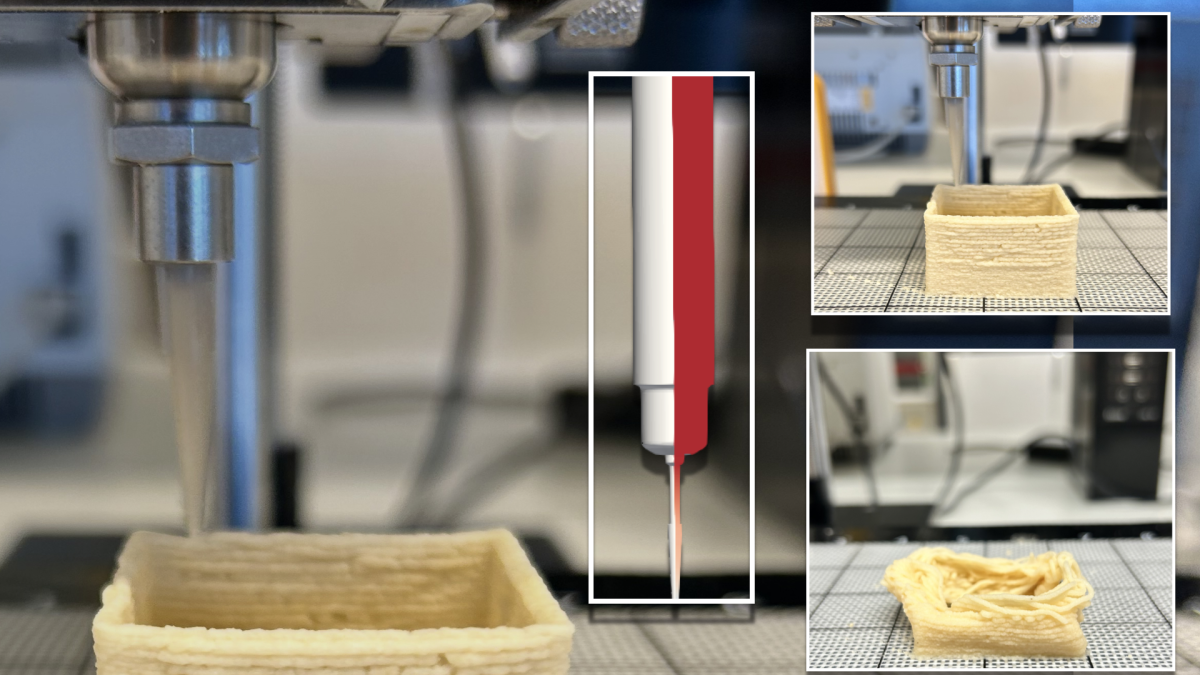
Rheology and Extrusion of Personalized Food Inks for 3D Printing
What if foods could be designed specifically for your nutritional needs, taste, and texture preferences? This thesis focuses on how extrusion-based 3D food printing could help make personalized nutrition a reality. We investigated how the composition and flow properties of food materials influence their extrusion response, aiming to reduce the need for trial and error. By combining food science, rheology, material modelling, and computer simulations, we have developed an approach to understand predicting the extrusion response of various formulations. The research provides new insights into the link between nutritional composition and extrusion behaviour, bringing us one step closer to designing foods that can be tailored to individual needs.

Simulation-Optimization Approaches for the Co-Design of Electric Transportation Systems
Electric transportation systems are central to reducing emissions from passenger transport and logistics, but their wider deployment is constrained by high upfront costs and the difficulty of maintaining reliable operations in real-world conditions. A fundamental tension underlies these challenges: infrastructure and vehicles must be designed for the operations they will face, yet operational strategies can only be defined once a system is designed. Because these decisions are highly interdependent, treating strategic, tactical, and operational choices sequentially leads to suboptimal outcomes. The natural resolution is co-design: jointly optimizing the system design and operation. This thesis investigates, develops, and validates co-design as a unifying framework for electric transportation systems, combining optimization and simulation to couple infrastructure sizing, vehicle design, and operational control across maritime, road freight, airport ground operations, and passenger-vehicle domains. Across these domains, co-design consistently outperforms separate design-then-operate approaches. Jointly optimizing ferry schedules, charging infrastructure, and battery sizing reduces total system cost relative to current practice. In road freight, centralized co-design of charging station locations and operational policies lowers average cost, reduces total installed charging power, and eliminates queuing. For airport ground support, smarter charging control simultaneously improves service levels and reduces both charger and fleet requirements. In energy support systems, simulation-based co-design of energy management and hybrid storage for charging stations yields more robust long-term designs. At the vehicle level, concurrent family design produces more competitive portfolios, though gains depend strongly on the market segments targeted. In all cases, simulation is key to reveal how operational realism shapes which designs perform well in practice and whether gains in reliability and cost are actually realized, albeit at the cost of higher modeling complexity. The overarching finding is that electric transportation systems become more implementable, cost-effective, and reliable when design, operations, and uncertainty-aware evaluation are treated as a unified problem. Achieving this requires optimization and simulation to be used together under a co-design paradigm to support realistic decision-making and accelerate the deployment of electric transportation systems.
February 2027

Evolutionary Equilibria in Mean Field Games: Theory and Applications to Token Economies
Modern societies increasingly rely on shared infrastructures such as transportation networks, energy systems, cloud platforms, communication channels, and other resources whose value depends on how many users access them at the same time. When users act selfishly, the resulting allocation is often inefficient from a societal perspective. Classical mechanism-design solutions address this problem through monetary prices or tolls. Yet money can compromise fairness, because access then depends on wealth. Fairness is especially delicate when users belong to different classes with different needs or constraints, since a desirable allocation may intentionally favor those who are worse off. An appealing alternative is to use non-tradable tokens that users earn and spend when accessing resources. Such token economies can promote turn-taking. Users alternate between more and less favorable outcomes, allowing efficiency and fairness to be reconciled over time. This thesis develops the theoretical and design foundations for such token-based mechanisms in dynamic resource allocation problems. The choices to be priced are not necessarily isolated resources; they are combinations of resources that many agents use repeatedly over time. For example, a traveler may choose a path consisting of several road links, and the travel time of that path depends on the congestion of each link. The design problem is therefore to determine token tolls for combinations of resources so that the collective behavior induced by individual choices leads to fair and efficient long-run outcomes. To address this problem, this thesis models token economies as continuous-time stochastic dynamic games with finitely many boundedly rational agents. Each agent has an individual state, namely the number of tokens in their wallet, and repeatedly chooses actions from the set of resource combinations available to satisfy their needs. These decisions are made according to policies, which map individual states to actions. They affect the agents' future states and shape the aggregate congestion experienced by the population. Because real users cannot be expected to know the full game, compute equilibria, or behave as perfectly rational optimizers, the thesis adopts an evolutionary-game-theoretic perspective. Evolutionary models replace strong rationality assumptions by simple myopic revision protocols: rules by which agents occasionally revise their policies based on currently perceived payoffs. This is a natural level of behavioral detail for large populations. Crucially, the relevant question is not only which outcomes are equilibria, but also whether such outcomes can emerge and persist under plausible behavioral dynamics. The first part of the thesis develops a new evolutionary theory for continuous-time finite-state stochastic dynamic games of many players. A mean-field approximation is introduced and shown to approximate the finite-population game with strong guarantees as the population grows. This approximation makes it possible to study the joint state-policy distribution of the population through a deterministic ordinary differential equation induced by simple evolutionary revision rules. The thesis shows that standard equilibrium concepts for this class of games lack an evolutionary interpretation, because they do not allow individual heterogeneity in the policies used by the players. To overcome this limitation, a new solution concept is introduced: the mixed stationary Nash equilibrium. It admits an evolutionary interpretation and exists under mild conditions. Moreover, for broad classes of meaningful revision protocols, mixed stationary Nash equilibria coincide with the rest points of the proposed mean-field evolutionary dynamics. The thesis then studies their evolutionary stability, establishing conditions under which population trajectories approach (or remain close to) the set of mixed stationary Nash equilibria. This gives equilibrium a design-relevant meaning: if a game is constructed so that a desired population state is a mixed stationary Nash equilibrium, the theory provides tools to show that this state can emerge and persist against strategic deviations. The second part of the thesis applies this theory to the design of token economies for fair and efficient dynamic resource allocation in congestion games. Three performance objectives are considered. Intra-class fairness requires users with the same needs to experience the same long-run average reward, independently of individual factors such as wealth. Inter-class fairness concerns how rewards are distributed across different user classes, for instance to favor classes that are worse off. Efficiency aims to maximize the societal utility of the resources, such as the average reward of the whole population or environmental performance. The design problem is then formulated as the choice of token tolls that guarantee intra-class fairness while optimizing a prescribed trade-off between inter-class fairness and efficiency. The thesis shows that intra-class fairness holds for any choice of tolls, establishes existence and essential uniqueness of the mean-field equilibrium resource flows, and shows convergence of the token economy to a neighborhood of equilibrium from any initial condition. Finally, it derives closed-form integer tolls that induce an equilibrium at the desired optimal trade-off between fairness and efficiency. Altogether, this thesis bridges mechanism design, evolutionary game theory, and control engineering to provide a principled framework for dynamic resource allocation without money. Its main contribution is twofold: it develops a new evolutionary equilibrium theory for continuous-time finite-state dynamic games, and it uses this theory to design token economies whose long-run behavior is fair, efficient, and can emerge robustly under boundedly rational behavior.