
Events
Colloquia, thesis defenses, symposia and departmental events at the Department of Mechanical Engineering.
October 2026
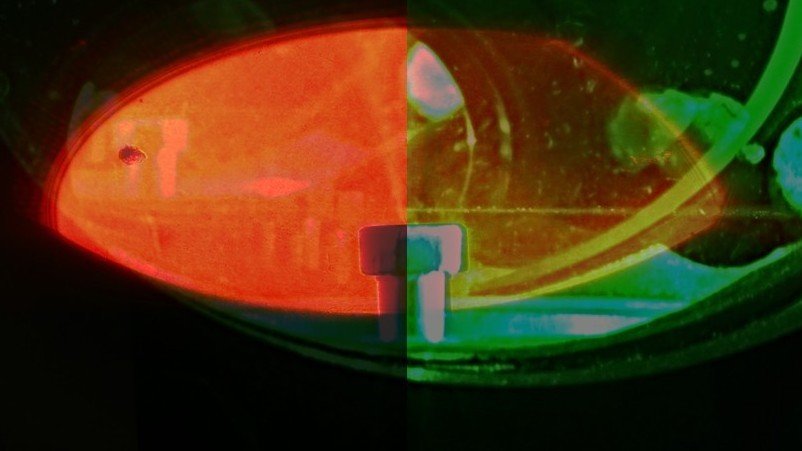
High-spatial-resolution characterization of underexpanded hydrogen jets using spontaneous Raman scattering
The hydrogen jet lies at the foundation of H2 internal combustion engine (ICE) technology, which is why investigation of its characteristics is necessary to advance the implementation and improve the H2 ICE. In this work, spontaneous Raman scattering is used to investigate the temperature, hydrogen number density, and hydrogen mole fraction of a continuous hydrogen jet emanating into atmospheric air. Both vibrational and rotational Raman scattering methods are used to investigate the temperature field of the jet with high spatial resolution, using a spatial sampling interval of 0.1 mm in the axial direction and 0.06 mm in the radial direction. Three different pressure ratios and two different nozzle orifice diameters are studied. Schlieren imaging identifies shock structures within the jet and supports the interpretation of the Raman measurements. The jet is characterized by repetitions of low-to-high-temperature zones in the center of the jet, with increasing temperature at the edges of the jet. The hydrogen number density follows the main temperature structure of the jet, while the hydrogen mole fraction is close to one in the center of the jet, decreasing toward the jet boundary and further downstream due to mixing with the entrained air. Rotational and vibrational Raman measurements show similar overall temperature structures and values. The pressure ratio (nPr) affects both the temperature distribution and size of the jet. The temperature decreases by approximately 50–70 K between nPr = 3 and nPr = 8, while the size of the jet structures increases for nPr = 8. The nozzle diameter mainly affects the spatial dimensions of the jet and its shock structures. A comparison between nozzles shows similar quantitative temperatures along the jet axis, with the only appreciable temperature differences between the nozzles being a 10 K higher minimum temperature for the bigger nozzle size at nPr = 3.
A Comprehensive Investigation into the Structural Modification of Carbon-based Materials for Hydrogen Storage Applications
Energy has played a critical role in the industrial and societal development of humanity. Historically, fossil fuels, namely coal, oil, and natural gas, have dominated the global energy supply. According to the International Energy Agency (IEA), these valuable resources account for approximately 81% of primary energy consumption as of 2023. However, this heavy dependence has resulted in severe environmental consequences, negative health effects, and the rapid depletion of natural resources. With the continued growth of the global population and industrial activity, energy demand is expected to rise further. These challenges highlight the urgent need to transition toward a more sustainable energy system centered on green energy sources. Achieving this transition requires the comprehensive utilization of all available renewable energy resources and green energy carriers to ensure a reliable and sufficient energy supply. In this context, hydrogen can be considered as one of the potential green energy sources. Hydrogen is widely recognized as a promising green energy carrier due to its high gravimetric energy density (143 MJ/kg) and zero-emission combustion, which produces only water vapor and heat. It enables efficient storage of thermal and electrical energy with minimal losses, offering a viable solution for balancing energy supply during periods when renewable sources like solar power are less effective. Despite its advantages, a major obstacle to the widespread use of hydrogen is the challenge of developing safe and cost-effective storage solutions. Its low molecular weight and high flammability, coupled with a very low density at ambient conditions (0.0824 kg/m³ compared to 1.184 kg/m³ for air), result in poor volumetric energy density. Addressing these issues requires the development of storage technologies that improve both gravimetric and volumetric energy densities while operating under practical conditions. Various hydrogen storage methods have been proposed, including compressed gas, liquid hydrogen, underground storage, ammonia-based solutions, and liquid organic hydrogen carriers (LOHCs). However, none of these methods are fully satisfactory or cost-effective, primarily due to the high energy demands, challenging storage conditions, geographic constraints, and the production of harmful by-products during hydrogen release. In response, physical adsorption on porous materials has emerged as a promising solution, offering high storage densities at lower pressures and temperatures. The U.S. Department of Energy (DOE) aims to achieve hydrogen–nanostructure binding energies between -0.15 and -0.6 eV, with gravimetric densities exceeding 5.5 wt% by 2025 and reaching an ultimate target of 6.5 wt%, along with a volumetric capacity goal of 50 g H₂/L for efficient hydrogen storage. Among the vast number of available nanostructures, which ones have the potential to be effectively used for achieving this goal? How can the hydrogen storage capacity of existing nanostructures be enhanced through targeted modifications? Answering these question is the key scientific objective driving the present PhD project. In the present project, fundamental work was conducted on improving the hydrogen storage capacity of various nanostructures. A particular focus was placed on carbon-based nanostructures as representative candidates for hydrogen storage applications. Both pristine and chemically or structurally modified forms of these nanostructures were studied in detail to assess their suitability. Special attention was given to understanding the mechanisms and effects of hydrogen adsorption on these materials, in both their unmodified and modified states. Rational multi-step strategies are proposed to systematically assess modified structures-based on the nature of the modification (interstitial or substitution)- by defining assessment parameters, boundaries, and final performance evaluation, with the goal of developing a comprehensive, transferable, and practically applicable framework for evaluating a broad range of potential nanostructures. Through this detailed analysis, several promising nanostructures were identified that demonstrate potential for further development toward real-world applications. Moreover, successful collaboration was undertaken on the modification of a newly synthesized material for hydrogen storage applications. The entire investigation was carried out using Density Functional Theory (DFT)- based computational methods, which enabled a thorough and fundamental exploration of the electronic, structural, and energetic properties of the materials.
From Natural Language to Executable Models: An LLM-Assisted Pipeline for Powertrain Synthesis
A study on energy dissipation in additively manufactured beams with powder-filled cavities: experimental characterization and modeling directions.
The increasing performance demands of high-performance mechatronic systems require structures that combine low mass, high stiffness, and damping. Additive manufacturing, particularly Laser Powder Bed Fusion (LPBF), enables the integration of powder-filled cavities that can provide passive damping without additional components. However, the underlying energy dissipation mechanism is not yet sufficiently understood. This thesis investigates the modal damping behavior of LPBF-manufactured beam specimens containing powder-filled cavities. Force-amplitude-controlled stepped-sine excitations and frequency response function measurements were used to experimentally characterize the nonlinear, force-amplitude-dependent damping. Specimens with varying cavity heights and positions were investigated. In addition, finite element analysis was performed to determine the strain distribution around the cavities. The experiments showed that damping increases with excitation force amplitude and approaches a constant value at high amplitudes. Cavity position along the beam length was identified as the most influential design parameter, with maximum damping occurring near regions of maximum modal strain. Higher cavities also increased damping by extending into regions of enhanced strain. Comparison with an empty cavity confirmed that the damping originates from the enclosed powder. The results support a friction-based energy dissipation mechanism caused by interactions between powder particles and the cavity walls. Based on these findings, a numerical modeling approach combining FE structural dynamics with friction models such as the Iwan or Jenkins model is proposed.
September 2026
Controlling water-in-water droplets and extracellular environments in microfluidics
Many important processes in nature happen in water. In living cells, biological fluids, and soft materials, molecules do not always stay evenly mixed. Under certain conditions, one liquid can separate into two liquid phases. This process is called liquid–liquid phase separation. It can also occur in fully aqueous systems, where two water-rich phases form because they contain different polymers or salts. This leads to the formation of water-in-water droplets. Water-in-water droplets provide a gentle and biocompatible environment. Unlike water-in-oil droplets, they do not require an oil phase and are therefore attractive for biological studies. However, they are difficult to control because their interface is very weak. Their size, stability, composition, and surrounding environment are hard to regulate over time. This limits their use in both basic research and biological applications. The aim of this thesis was to develop a simple and reliable microfluidic platform to produce, trap, and control water-in-water droplets. Microfluidics allows liquids to be handled in very small channels with precise control. In this work, water-in-water droplets were formed directly inside dead-end chambers connected to a main channel. The main channel continuously supplied a controllable aqueous environment. As a result, droplets could form in place and remain stable without oil, surfactants, or complex flow control. This design has an important advantage. Because the droplets remain connected to the surrounding aqueous phase, their chemical environment can be changed in real time. For example, polymer concentration, salt concentration, or pH can be adjusted in the main channel and then influence the droplets inside the chambers. The platform was first tested using a PEG/dextran aqueous two-phase system. Droplet size and composition could be controlled in a stable and reproducible way. The same design was then applied to more complex phase-separating systems, including coacervate droplets and droplets with internal sub-compartments. After establishing droplet control, the platform was used for cell studies. Cells were guided into the dead-end chambers by a dextran concentration gradient. This gradient generated a physical driving force that moved cells into the chambers without direct mechanical pushing. By adjusting the gradient, the number of cells in each chamber could be controlled. This allowed reliable confinement of single cells or small cell groups. The method worked for both fission yeast and leukemia cells. Cells trapped in the chambers could then be enclosed inside PEG–dextran water-in-water droplets. This created a controllable three-dimensional extracellular environment around the cells. By changing the polymer concentration outside the droplets, physical properties such as density and viscosity could be tuned. In this way, the position and behavior of cells inside the droplets could also be regulated. The platform therefore combined cell capture, droplet formation, and extracellular-environment control in one system. The final part of the thesis studied how cells respond when the surrounding fluid becomes more viscous. This question is important because many biological environments are thick, crowded, and physically complex. Using fission yeast as a model organism, the platform allowed extracellular fluid viscosity to be changed under controlled conditions. The results showed that extracellular viscosity can strongly affect cell growth and division. Above a certain threshold, cells could no longer divide normally. Below this threshold, cells adapted by increasing the viscosity of their cytoplasm. This internal response was linked to preserved glucose-transporter activity and continued growth. Further experiments showed that glucan and trehalose are important for this adaptation. When their production was disrupted, cells became less tolerant to high extracellular viscosity. This thesis provides a new fully aqueous microfluidic platform for controlling water-in-water droplets and cell microenvironments. It also shows that cells can respond to physical changes outside the cell by tuning their own internal material properties.
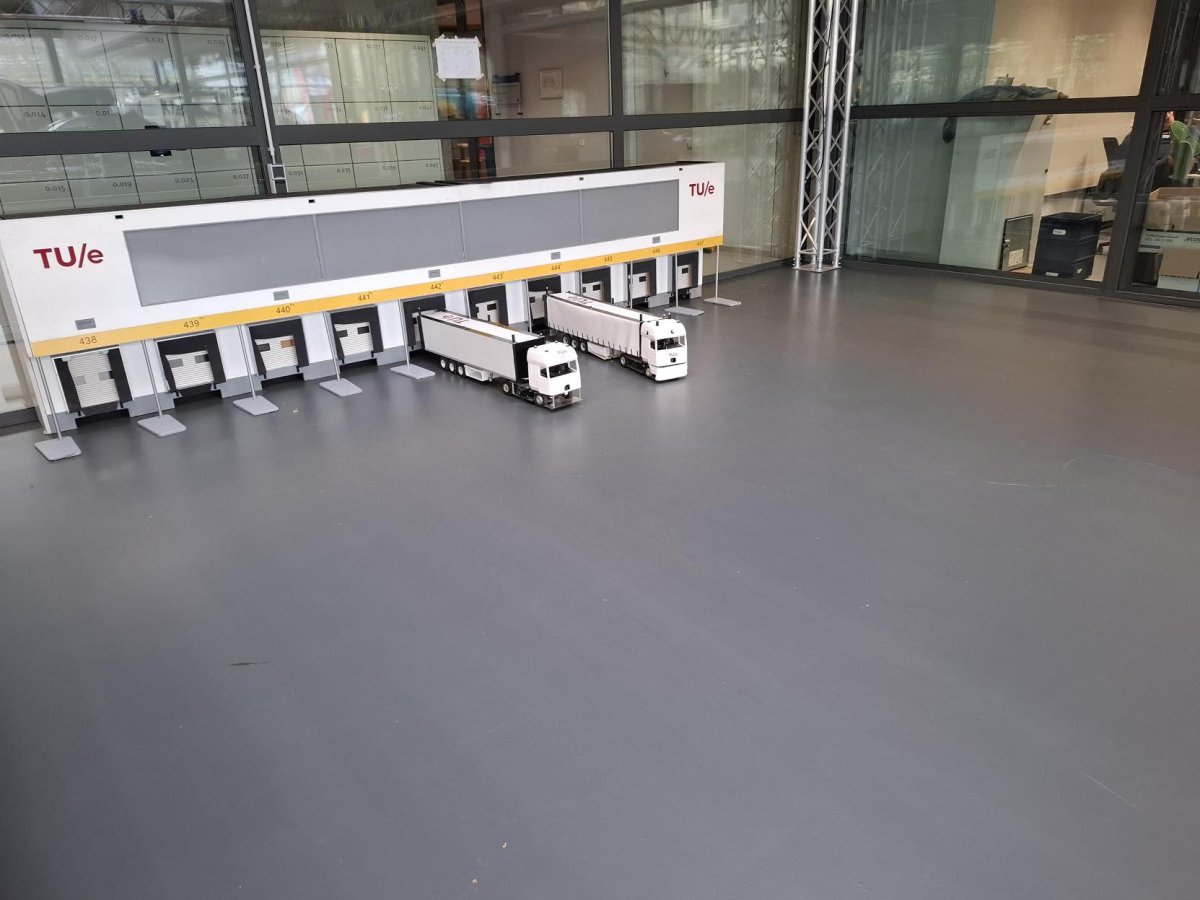
Simulation and Experiment Environment of Truck–Trailer System in Truck Lab
This thesis presents a systematic methodology for the development, validation, and implementation of simulation and experimental environments for a truck and a truck–trailer system based on kinematic vehicle models. The models are validated against experimental measurements obtained from the TU/e TruckLab platform, with identified steering actuator dynamics incorporated to improve the representation of the physical system. Based on these validated models, a simulation environment is developed for controller design and evaluation using predefined straight-line and circular reference trajectories and corresponding tracking-error definition. Following simulation-based verification, the controller can be transferred to the TruckLab experimental platform for experimental evaluation. The performance of different controller designs is evaluated and compared, and their limitations and potential sources of discrepancies between simulation and experiments are discussed. A user guide is also provided to facilitate the use of the developed simulation environment.
Trajectory-Based Co-Design of a GT–SOFC Hybrid Powertrain and Heat Exchanger for Minimizing Fuel Consumption
Additive Fractional Order System Identification

Semantic World Models for Multi-robot systems
Multi-robot systems are increasingly deployed in semi-structured environments such as warehouses and dairy farms, where robots must share space, and coordinate their motion in a robust, safe and scalable way. Model Predictive Control (MPC) provides a flexible framework for generating safe trajectories, but it scales poorly with the number of agents, struggles to represent discrete coordination decisions such as yielding, and depends on reliable and low latency inter-agent communication. This thesis proposes that the decision-making of mobile-robot teams in semi-structured environments can be made more robust and computationally tractable by introducing a shared world model that encodes both the spatial structure and geometry of the environment. By automatically configuring the constraints, objectives, and agent groupings of individual MPC controllers from this shared representation, the need for coupled global planning is reduced while safe and deadlock-free operation is maintained. Four contributions are presented in this thesis. Chapter 2 introduces a property-graph world model built from three map primitives, Areas, Boundaries and Interfaces, and a systematic mapping from these primitives to MPC constraints and objectives, allowing controllers to be reconfigured at runtime and agents to be dynamically grouped only when their semantic area horizons overlap. Chapter 3 adds a discrete claim policy on top of the continuous MPC layer that assigns access rights to areas, ensures deadlock-free operation, and enables task-dependent area occupancy constraints; the approach is validated in simulation and on physical robot hardware. Chapter 4 extends the framework to a distributed ADMM-MPC setting in which the world model selectively activates inter-agent coupling and yielding decisions. Chapter 5 closes the loop by deriving the required world models from Building Information Models using an intermediate representation and a sampling-based roadmap to recover navigable zones. Together, these chapters show that a shared semantic world model is able to configure MPC controllers at runtime, to decouple agent problems through discrete coordination, and to reduce computational and communication requirements compared to baseline methods, leading to multi-robot coordination that is more robust in execution, and configurable at runtime
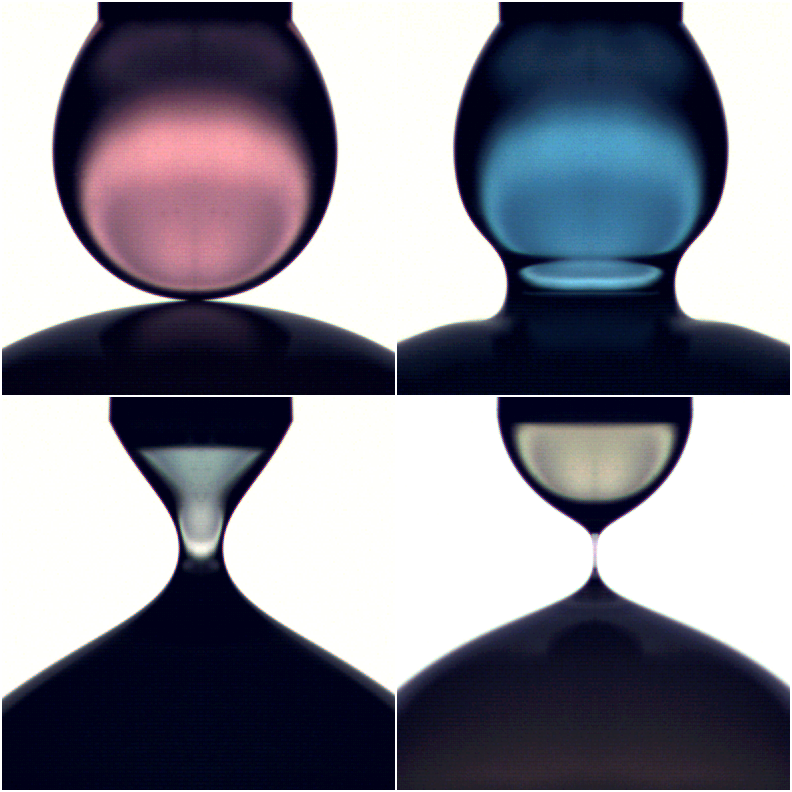
Dripping-onto-droplet capillary break-up
In general, Anselmo works on different topics in fluid mechanics/rheology, such as multiphase flows and interfacial problems, elastic and elasto-inertial turbulence, and the behaviour of elasto-viscoplastic materials, combining experiments+theory+simulations (https://cv.hal.science/anselmo-soeiro-pereira). He is also the head of the “Soft Matter Axis” at the CEMEF research institute and representative of the French Society of Rheology at the ESR.
Analysis of a Neuromorphic Controller: A Singularly Perturbed Hybrid Systems approach via Averaging
Rheometry with Non-Rheometric Flows
Novel industrial rheometric approaches will be introduced for measuring viscoelasticity of a liquid as well as viscosity in complex flow fields. Modeling schemes based on energy dissipation rate will be introduced to establish the relationship between macroscopic flow parameters (torque, pressure drop, rotational speed, flow rate, deflection angle, etc.) and rheometric variables (shear stress, shear rate, shear strain, viscosity, shear modulus, etc.). Starting from the general flow quantification method for both rotational and pressure-driven flows, several application problems will be discussed to measure the viscosity as a function of shear rate and more importantly to measure the viscoelasticity in both linear and non-linear regimes. Example flow fields for viscoelasticity include (1) agitator systems with impellers and a vessel, (2) a viscometer-like system (a rotating object in a liquid pool), (3) general pressure-driven pipe flows.
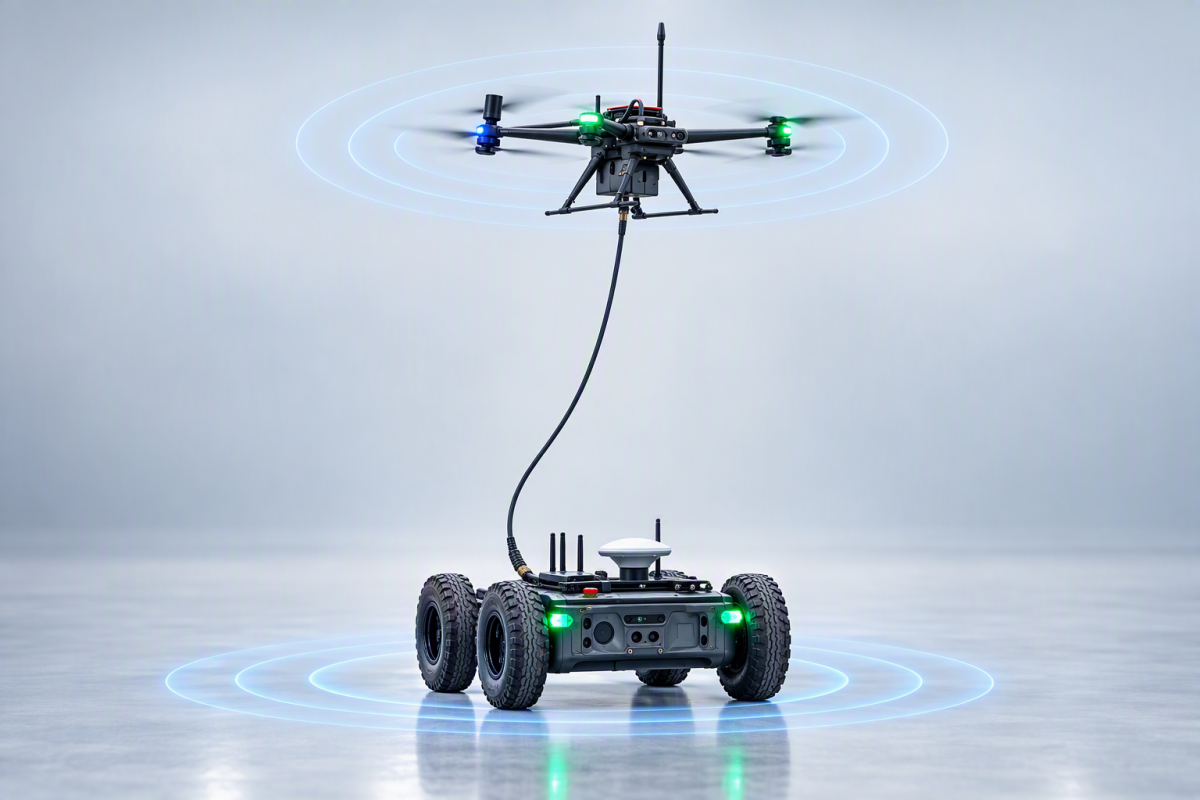
Safe planning for a tethered quadrotor-rover system under parametric uncertainty
Modeling of Electromagnetic Crosstalk in High-Precision Systems

Developing a self-bending kirigami structure driven by liquid crystal elastomers
Liquid crystal elastomers (LCEs) are promising smart materials capable of undergoing large anisotropic deformations in response to external stimuli. When exposed to heat, the material's microstructure transitions from an ordered to an isotropic state, resulting in shrinkage along the director and expansion in the perpendicular directions. Despite their potential, the practical implementation of LCEs remains challenging due to the complexity of predicting their mechanical behavior. This research investigates the design of thermally responsive LCE patches to induce controlled deformation in plastic kirigami structures. Kirigami, a Japanese art form, involves cutting and folding a flat sheet into a three-dimensional shape. The same principle can be applied to plastic foils containing embedded electronics to create deployable or shape-morphing devices. The study begins with the material characterization of both the LCE and the polyethylene naphthalate (PEN) substrate. Based on the obtained material properties, a finite element model of a kirigami structure consisting solely of PEN is developed and validated against experimental results. The resulting strain fields are subsequently used to determine the optimal placement and director orientation of the LCE patches. These patches are then incorporated into the numerical model to predict the resulting deformation and to provide insight into the required patch dimensions. The proposed design workflow enables the systematic determination of the placement, size, and director orientation of LCE patches on kirigami structures and is validated through a physical prototype. Although the prototype exhibited a lower-than-desired deformation, the experimental results showed good agreement with the simulation predictions, demonstrating the effectiveness of the proposed design approach.
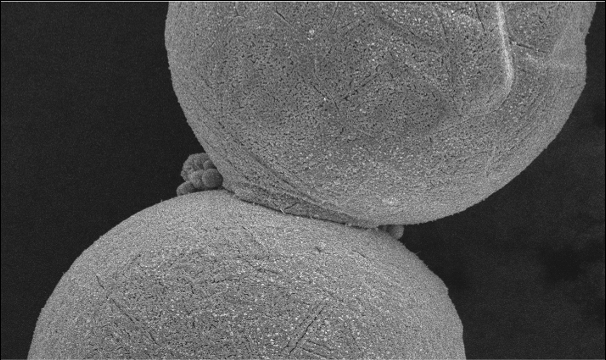
Effect of Metallization Degree on Cohesive and Disruptive Forces During Iron Oxide Reduction in Fluidized Beds
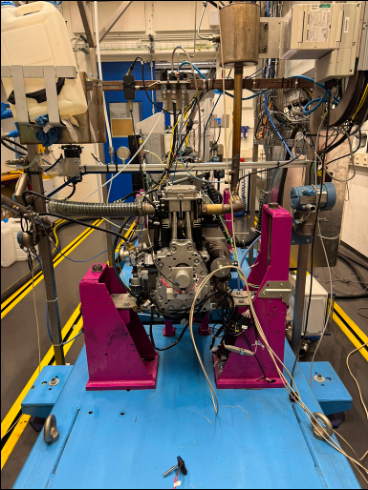
Emission reduction in CI engines using advanced combustion strategies with alternative fuels
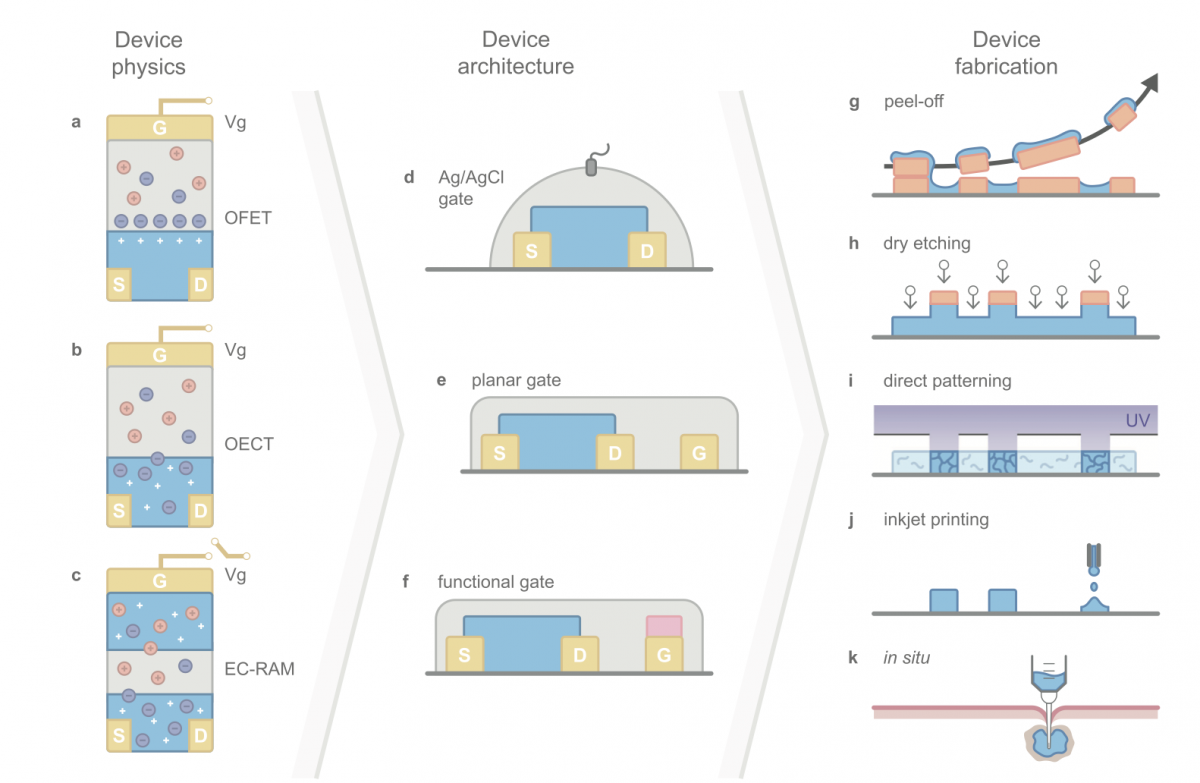
Monolithic processing of organic polymers for highly integrated circuits
In recent years, our society has become increasingly connected. At the same time, wearable technologies, such as smartwatches and health trackers, have rapidly evolved, making it possible to monitor a wide range of physiological and behavioral signals. As the demand for more detailed and meaningful health data grows, the devices that collect and process this information must also become more advanced. This often requires more complex sensors and computing systems, as well as the use of machine learning to identify patterns and combine different types of data. To make these technologies truly practical for everyday use, devices must be small, energy-efficient, flexible, and ideally able to interact directly with the human body. A promising class of materials for this purpose is known as organic mixed ionic-electronic conductors (OMIECs). These materials can transport both ionic and electronic charges, which is a unique and valuable property. Biological systems, such as the human body, primarily rely on ions to transmit signals, while conventional electronics rely on electrons. OMIECs provide a bridge between these two worlds, enabling more natural and effective communication between electronic devices and biological systems. Devices called organic electrochemical transistors (OECTs) can be made using OMIECs. These transistors are particularly well-suited for wearable and bioelectronic applications because they operate at low power and can be designed to mimic how the body processes and transmits information. By taking inspiration from biological systems, this approach, often referred to as neuromorphic sensing and computing, has the potential to improve how devices interact with the body. Despite these advantages, OMIECs present important challenges. Traditional manufacturing techniques used for electronic devices were developed for inorganic materials and are not well-suited for these organic materials. While alternative fabrication methods exist, they often struggle with consistency, scalability, or the ability to integrate multiple OMIEC materials into a single device, an important requirement for more advanced systems. In this thesis, new fabrication techniques are developed to address these limitations. The approach is based on direct photopatterning, a process in which ultraviolet (UV) light is used to define structures in a material. When exposed to UV light, the material undergoes a chemical reaction that makes it insoluble, while unexposed regions can be removed using a solvent. This method is compatible with widely used manufacturing processes and does not require specialized equipment. As a result, it enables the creation of reproducible and scalable device structures. Importantly, it also allows different OMIEC materials to be patterned on the same substrate without compromising their performance. Finally, this work explores how OECTs perform in biological environments, which is essential for their use in real-world applications. One application studied is the measurement of ion concentrations in sweat. This type of sensing can provide valuable information about a person’s physiological state without the need for invasive procedures such as blood sampling. In addition, the stability of these devices in biological conditions is investigated, as long-term reliability is critical for their future use. Overall, this research contributes to the development of more practical and reliable bioelectronic devices. By improving the methods used to manufacture them, it helps pave the way for the next generation of wearable technologies that can seamlessly interact with the human body.
Coupling Mechanics, Thermodynamics, and Transport in Interfacial Soft Materials
Most interfaces of natural, biomedical, and technological interest are formed by adsorbed compounds – such as proteins, polymers, lipids, or particles – that laterally interact, forming extensive microstructural networks that mechanically oppose flow and deformation. Aside from a surface tension, these so-called “complex interfaces” also exhibit a mechanical resistance to changes in area and shape, which bestow the interface with its own elastic and viscous properties. These mechanical properties can dictate the behavior of systems with large surface area to volume ratios (e.g., emulsions, foams, biological cells) and thin liquid films (e.g., tear film, lung surfactant film). In this seminar, I will first outline the fundamental principles and challenges in the field of interfacial rheology – namely, the coupling between thermodynamics, mechanics (rheology), and transport. I will then discuss the different experimental techniques available for characterizing complex interfaces and resolving this coupling, including those that are currently under development. Using illustrative examples from our research, I will demonstrate how interfacial rheology experiments are conducted, the types of quantitative data they provide, and how surface rheological properties can be tuned to optimize the function of complex interfacial systems.
Learning-Based Calibration, Estimation and Stage Control for Electron Microscopy
How much can you learn from a handful of noisy images? For electron microscopes, the answer decides how sharp their images get and how steadily they can hold the object under study. An electron microscope can photograph individual atoms, an ability indispensable for new medicines, better batteries, and the chips in every phone. In the COVID-19 pandemic, electron microscopes revealed the structure of the spike protein within weeks and accelerated vaccine development. Yet these instruments cannot focus themselves. Keeping them sharp is the daily work of scarce, highly trained operators. The PhD research of Jilles van Hulst, at the Eindhoven University of Technology with microscope manufacturer Thermo Fisher Scientific, teaches the machines to do this themselves. Atomic resolution No microscope can show details smaller than the wavelength it uses, and visible light is thousands of times wider than an atom. Electrons offer a way out: a fast electron behaves as a quantum wave far smaller than an atom. If a light wave were stretched to the length of a football field, the electron wave would span just a few sheets of paper. Electrons are also electrically charged, so magnetic fields can act as lenses for them. However, a theorem from 1936 proves that these lenses always distort the image. Correctors have existed since 1998, but they add dozens of settings that drift and need constant retuning. Learning from a handful of images Retuning these settings is hard, and anyone who has focused an old camera by hand knows why. Looking at a single blurry photo, you cannot tell which way to turn the focus ring. Only once you turn it do you see where you were, and perfect focus is precisely the point where turning either way makes it worse. An electron microscope poses this puzzle not for one focus ring but for dozens of settings at once, and every image costs time and can damage the specimen. Van Hulst therefore trained artificial intelligence (AI) to get the most out of each image. The AI learns from a simulator, which can generate unlimited practice images, but a simulation is never exactly the real machine. So the full method also learns that difference during operation, from the few real images it collects. The symmetry of the blur around perfect focus is what pins that point down uniquely. The result is a microscope that calibrates itself in about twenty seconds, twice as accurately as the best automated methods. Standing still at the scale of atoms Seeing atoms also demands stillness. For a three-dimensional image, the specimen is tilted step by step while dozens of pictures are taken, and the point under study must stay in view. The stage carrying the specimen can move across millimeters, yet must hold the imaged point to within nanometers. The actuators that move the stage are imperfect, and no sensor measures where the specimen actually is. Van Hulst used the images that the microscope already records as the missing sensor. They reveal exactly how far the specimen has shifted, and a learning controller removes errors it has seen before. On an operational microscope this reached nanometer accuracy, up to ten times better than the existing approach. More knowledge from less data The common thread is a lesson from statistics: what you can learn from data depends on what you already know. Van Hulst therefore developed general mathematical methods that build known structure, such as physical laws, symmetries, and models of motion, into the learning itself, so that fewer measurements suffice. Together, these results bring the self-driving microscope closer. It tunes itself, holds its specimen steady, and collects data on its own, so that researchers can focus on the discoveries.
February 2026
Risk-based Motion Planning in Automated Vehicles
It is anticipated that there will be a long period where automated vehicles (AVs) and human road users share the same road network, with limited communication between them. As a result, AVs often operate with uncertain knowledge of their surroundings due to limitations in both sensing and estimation of the traffic scenario's current and future states. These limitations can be caused by factors such as noisy sensor data or lack of information about the intentions of other road users. Accounting for this uncertainty while designing motion planning and control algorithms for AVs is critical, as an AV may display hazardous behavior if it is overly confident in falsely estimated environment states or, contrarily, may act too cautiously when considering unnecessarily large safety margins in estimated states. Although safety regulations call for taking uncertainty into account, the right means to integrate uncertainty in motion planning has yet to be agreed upon. A promising way to account for uncertainty is through the concept of risk. Risk accounts for uncertainty in assessing safety by considering both the likelihood and severity of unsafe events, such as collisions. Research has shown that human drivers navigate traffic by trading off subjectively perceived risk against the potential rewards of reaching their destinations. Additionally, studies indicate that subjective risk tends to correlate with objective risk measures, while ethicists argue that risk can be used as a means to facilitate ethicality in road traffic by distributing risk fairly among road users. These relationships highlight the benefit of incorporating risk, as a proxy for uncertainty in safety, in motion planning algorithms. Incorporating risk in AV motion planning presents two main challenges. The first challenge is to develop a notion of risk that correctly incorporates an AV's uncertainty about the future motion of other road users, and that can be computed fast (and precisely) enough to be used in online (i.e., real-time) motion-planning algorithms. The second challenge is to develop an appropriate AV motion planning algorithm that incorporates risk and generates the desired AV behavior. This dissertation addresses both challenges by making five main contributions. First, we introduce an appropriate risk metric: the expected severity of a collision event. This metric, thus, is constituted of two terms, one accounting for the likelihood of a collision and another term considering the severity of a collision. Additionally, we investigate the AV behavior given optimization-based motion controllers that accommodate our risk metric. We find that a stochastic model predictive control (SMPC)-based motion planner adequately balances risk with travel efficiency in the presence of varying uncertainty. Second, to compute risk, we provide an computationally efficient (i.e., real-time computable) algorithm to estimate risk. Here, the focus lies on estimating the probability of collision (POC), as our risk metric reduces to a POC metric when the severity term is considered constant. Based on multi-circular shape approximations of the geometries of the AV and other road users, we present an algorithm that estimates the POC with good precision, and that is guaranteed not to under-approximate it. The algorithm is shown to execute significantly faster than standard Monte Carlo sampling. Further, we use the proposed algorithm within a SMPC-based motion planning strategy as a constraint and show that the SMPC generates smooth, reproducible trajectories while the controller deals with varying levels of uncertainty. Third, we extend our POC algorithm to risk estimation. Here, we propose a severity estimation method that allows us to consider different collision constellations, as literature shows that those are associated with different levels of harm to the passengers of vehicles. The resulting risk estimation algorithm leverages the advantages of the POC estimation algorithm, i.e., it is particularly suitable for optimization-based motion planning strategies, while allowing for the flexible integration of severity functions to represent different collision types. Fourth, we provide an extension of our risk metric to account for the risk from the individual perspective of each road user in the driving scene. Given a proposed SMPC-based motion planning strategy, our AVs behavior can be tuned such that it minimizes its own risk (egoistic perspective), the risk other road users face (altruistic perspective), and a balance of both (collective perspective). To evaluate safety and travel efficiency (i.e., reaching a desired destination in adequate time) for each of these risk metrics, we performed simulations on a database containing a wide variety of real-world and artificial traffic scenarios. The results show that a collective perspective balances the overall risk of all road users with the AV's travel efficiency in a favorable manner, and constitutes a suitable approach to facilitate ethicality in road traffic. Lastly, we use our proposed risk metric as part of the decision-making process on emergency maneuvers, i.e., emergency steering and emergency braking, for an AV designed to evade collisions with late-detected pedestrians. In simulations, we show that this metric outperforms deterministic risk estimation by choosing the appropriate evasive maneuver more frequently. In experimental testing, we verified the real-world applicability of this metric in an AV testbed designed for collision avoidance by having a pedestrian dummy walk out from a sight obstruction when the AV approaches. We find that risk is beneficial to deciding on accident avoidance maneuvers. The contributions introduced in this thesis show that risk, and thus uncertainty, can be systematically incorporated in AV algorithms for motion planning and decision-making. The proposed algorithms are computationally efficient for real-time optimization-based motion planning, navigating a fully automated vehicle smoothly through road traffic. Nevertheless, we also show that our risk metric is beneficial to the avoidance capabilities of low-automation safety systems. Furthermore, we show that risk-based AV behavior generation enables balancing the AV's interests in safety and travel efficiency for all road users, and thus, facilitates ethicality.